

Naturally gluten-free foods

Harvard study: Healthier fats linked to longer life after prostate cancer diagnosis

Shingrix shingles vaccine linked with lower heart disease risks

Estrogen-only hormone therapy tied to lower dementia risk

Should you have a hysterectomy?

Stair climbing may significantly lower cardiovascular risks

Why do I sweat so much?

Walking pneumonia: The "mild" illness that can still pack a punch

What causes knee pain: How doctors make a diagnosis

Where you carry excess weight matters in predicting heart disease risk
Anti-inflammatory diets Archive
Articles

Red and processed meats raise colorectal cancer risk
Research we're watching
If your diet is heavy on red and processed meat, it might be time to make some adjustments. A study of nearly 500,000 people published in the April 17 International Journal of Epidemiology found that people who ate red or processed meat four or more times a week had a 20% higher risk of colorectal cancer than those who indulged less than twice a week. Risk of colorectal cancer rose 19% for every daily 25-gram serving of processed meat, which is equivalent to a slice of ham. And for every 50-gram-a-day serving of red meat — equal to a thick piece of roast beef — risk of colorectal cancer rose by 18%. Alcohol was also linked to a higher risk of colon cancer: just a half pint of beer per day increased colon cancer risk by 8%.
But the study wasn't all bad news. A number of foods were associated with a lower risk of colon cancer, including high-fiber selections such as bread and breakfast cereals. But higher fiber intake from vegetables and fruits did not appear to reduce risk.

Fiber-full eating for better health and lower cholesterol
Most Americans don't eat enough fiber, and many people say it's because they are worried about eating too many carbs, but eating the right kind of carbs is the key, and it's not that difficult to meet the recommended daily amount.

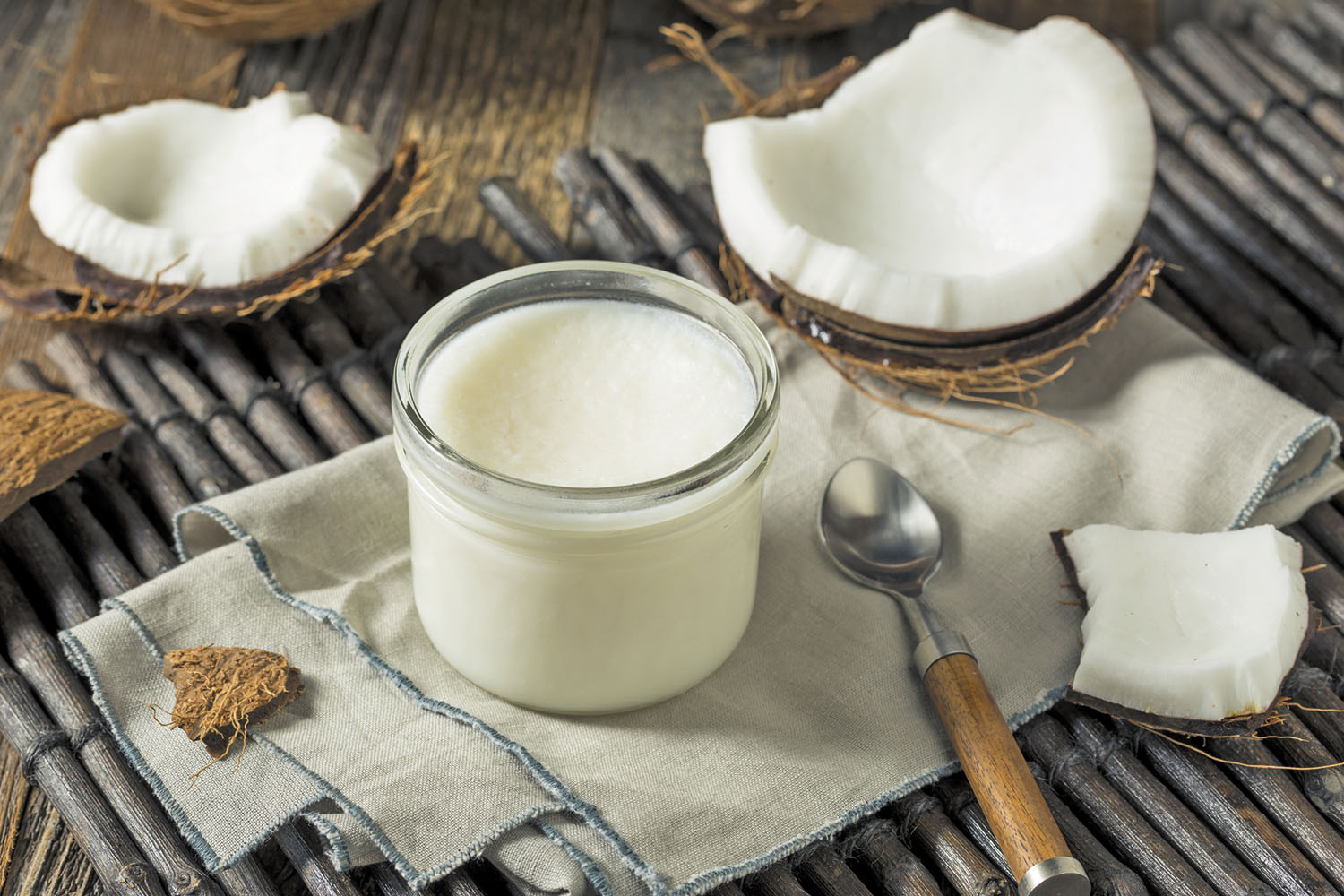
5 food and drink fads you can skip
Trendy isn't necessarily healthy. Consider alternatives instead.
It's fun to try new foods once in a while. But when a flashy food fad gets your attention, be careful. Just because a particular food or drink is showing up everywhere doesn't mean it's healthy. Here are five trends you can probably skip.
1. Vitamin-enhanced water
Vitamin-enhanced waters have names like Propel Vitamin Boost and Vitaminwater, and they promise lots of vitamins (like B, C, and E) and minerals (like magnesium, calcium, and potassium) in every gulp. But don't start guzzling. "There aren't enough nutrients added to these waters to make a difference in your health. I saw one product with 10 milligrams of potassium. The recommendation for daily potassium is 4,700 milligrams per day," says registered dietitian Kathy McManus, director of the Department of Nutrition at Harvard-affiliated Brigham and Women's Hospital. "You'll get more far more nutrients from a healthy diet."

Want to live longer? Rethink sugary drink consumption
News briefs
Drinking lots of sugary drinks — like soda, fruit punch, lemonade, or sports drinks — is associated with many health problems, such as weight gain and an increased risk for diabetes, heart disease, or stroke. But a Harvard-led observational study published March 18, 2019, in Circulation finds an even graver tie, linking sugar-sweetened beverage consumption to an early death. Researchers analyzed the data from two large studies of more than 110,000 men and women who responded to questionnaires about their lifestyle and health for about three decades or longer. The more sugary drinks participants consumed, the higher their risk for death from any cause during the study period. For example, compared with people who rarely drank sugary beverages, those who drank two to six sugary drinks per week had a 6% increased risk for an early death; those who drank two or more sugary drinks per day had a 21% increased risk for an early death, especially from cardiovascular disease (and especially among women). Drinking four or more artificially sweetened drinks per day (but not lesser amounts) also was tied to a slightly higher risk for early death. Best advice: avoid sugary drinks of any kind, and avoid drinking more than one artificially sweetened beverage per day.
Image: © Eivaisla/Getty Images

Fermented foods: Favorable for heart health?
So far, the evidence that foods and drinks rich in good bacteria can improve cardiovascular health is promising but limited.
A number of foods — yogurt, sauerkraut, as well as some less-familiar ones such as kimchi and tempeh — are made by fermentation, an age-old tradition for preserving food. These foods, as well as the fermented drinks kombucha and kefir, have been getting buzz in recent years, mostly focused on their potential to enhance gut health. Fermented products contain naturally occurring beneficial bacteria known as probiotics, which are thought to improve digestion.
Probiotics found in fermented foods may also provide modest heart-related benefits, according to a review article published in the Journal of the American College of Cardiology last year. One study found that eating kimchi (see "What are fermented foods?") daily helped people lose weight and lowered their blood pressure. Another noted improvement in blood sugar and cholesterol levels.

Sugary drinks linked to higher risk of dying from heart disease
Research we're watching
Frequently drinking sugary beverages such as sodas and sports drinks may raise a person's risk of dying from heart disease, new research finds.
For the study, published in the March 18 issue of Circulation, researchers analyzed data from more than 118,000 health professionals over a period of more than three decades. After adjusting for other diet, health, and lifestyle factors, they found that the more sugary drinks people consumed, the higher their risk of dying from any cause — but especially cardiovascular disease. Compared with people who rarely drank sugar-sweetened beverages, those who drank two or more per day were about one-third more likely to die of heart disease or a stroke.
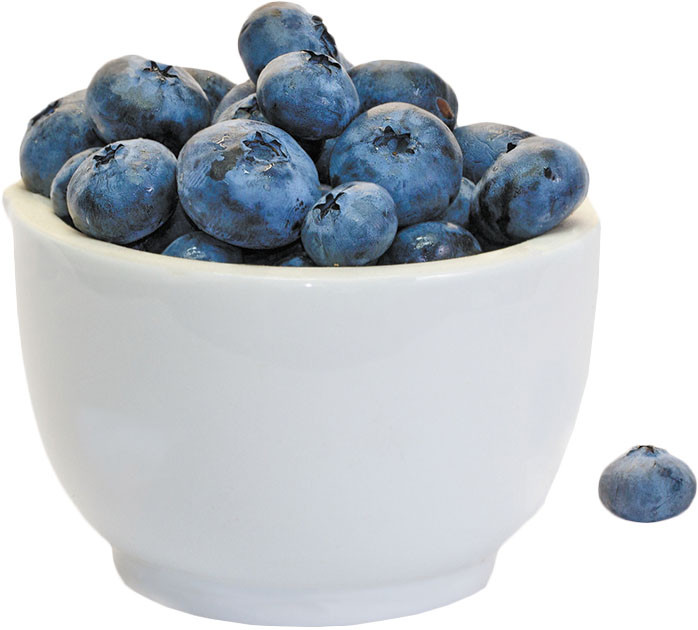
Blueberries may help lower blood pressure
In the journals
Eating a cup of blueberries every day may help your blood pressure, suggests a new study. The results, published online Feb. 16, 2019, by The Journals of Gerontology, Series A: Biological Sciences and Medical Sciences, found that consuming 200 grams of blueberries (about one cup) daily can improve blood vessel function and decrease systolic blood pressure (the top number in a blood pressure reading).
Researchers recruited 40 healthy men and randomly gave them either a drink containing 200 grams of whole wild blueberries or a control drink (which looked and tasted much the same) every day for a month. The team also monitored the men's blood pressure as well as the flow-mediated dilation of the brachial artery in their upper arms. This measures how the artery widens when blood flow increases and is a marker of reduced cardiovascular disease risk.
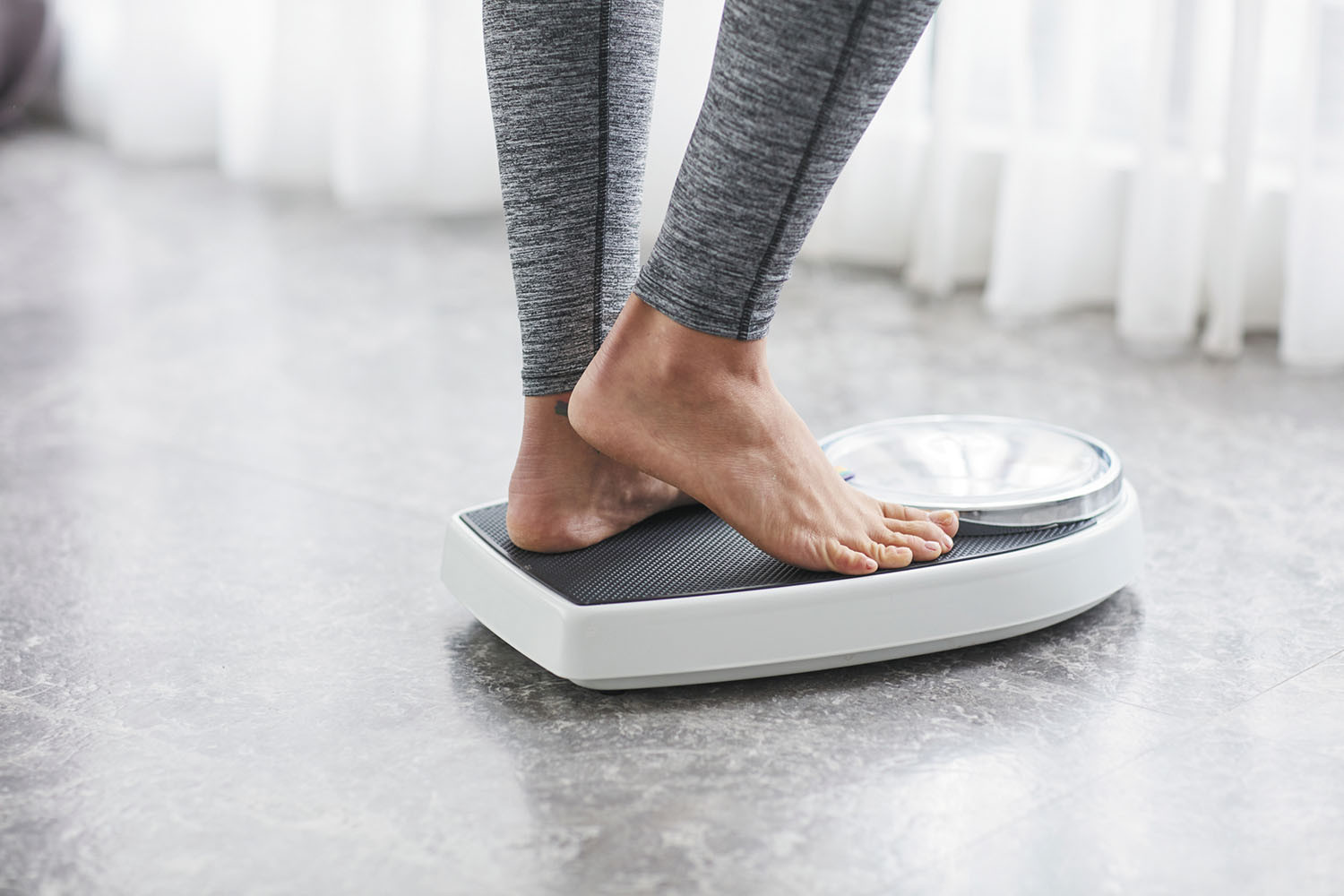
Is lack of exercise a problem if I'm at my ideal weight?
Ask the doctors
Q. I don't need to lose weight, so I don't exercise very often, but I maintain a healthy diet. Could my lack of exercise lead to health problems?
A. Exercise is essential for good health — even if you're not overweight. This point is illustrated by a recent study, published March 1 in The American Journal of Cardiology. It found that 30% of normal-weight people who were sedentary had the same risk of heart attack and stroke as people who were overweight. In short, just being at a healthy weight didn't necessarily ensure that someone was in good health. In addition to having a higher risk of serious cardiovascular events, some inactive but normal weight people were also more likely to have labored breathing during exercise and a larger-than-recommended waist circumference, compared with normal-weight adults who exercised regularly.
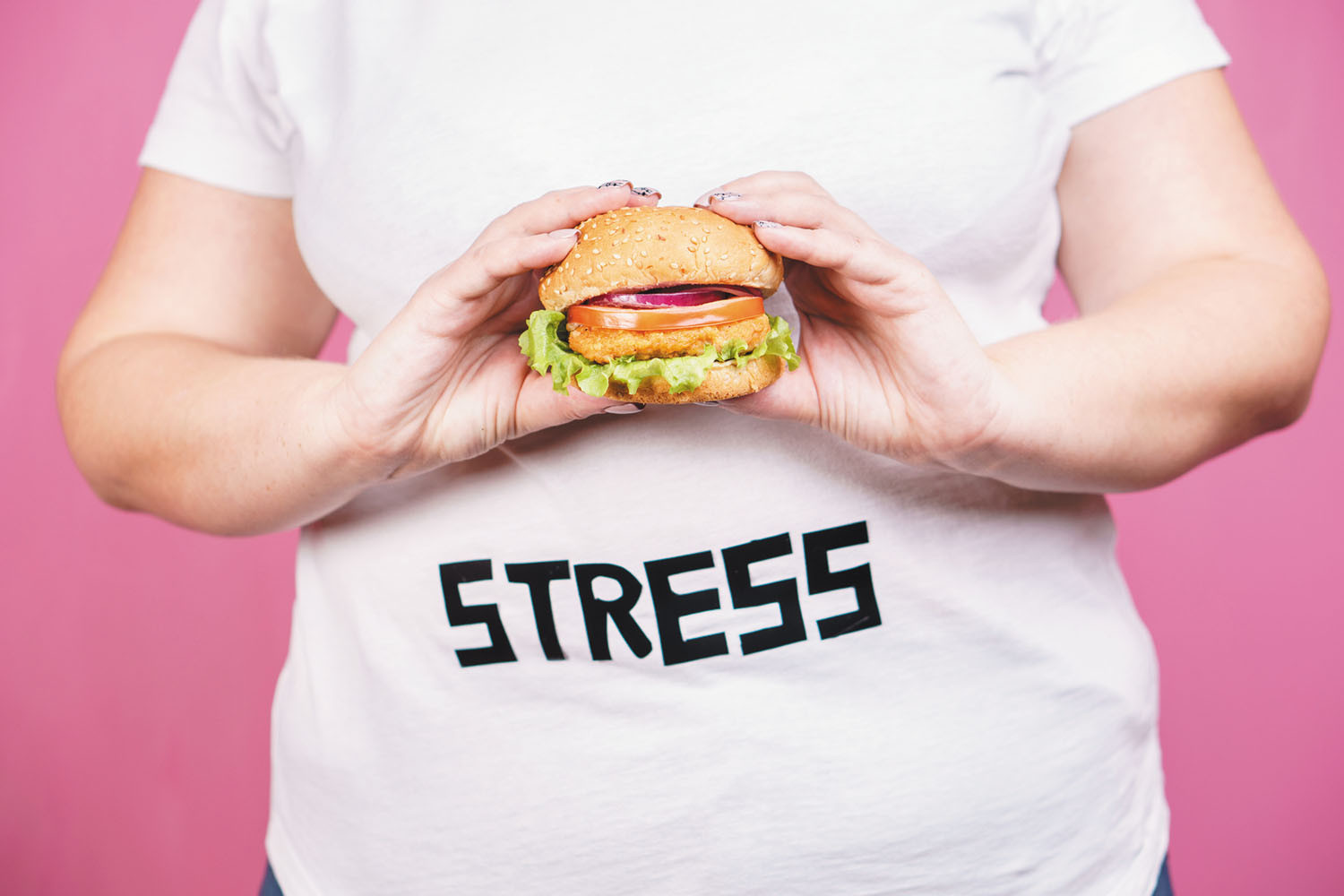
Simple strategies to stop stress-related overeating
Managing emotionally driven weight gain requires planning ahead.
How much and when you eat isn't driven just by hunger, which you likely already know if you've ever found yourself hunched over a bowl of ice cream after having a particularly stressful day. Stress can set off a cascade of physical reactions in your body that may not only drive you to eat more and make you crave less nutritious, fattening comfort foods, but also help you pack on extra pounds much more easily.
"Stress drives up levels of a hormone called cortisol in the blood," says Dr. Fatima Cody Stanford, an instructor in medicine at Harvard Medical School. Cortisol is a hormone produced by the adrenal gland that helps to regulate your metabolism. It also plays a role in blood sugar management and memory. When levels of cortisol rise, it can promote inflammation and may spur the body to start stockpiling fat around the midsection. "Stress might also disrupt sleep and drive people to seek out food when they wouldn't normally — such as in the middle of the night," says Dr. Stanford.
Naturally gluten-free foods
Harvard study: Healthier fats linked to longer life after prostate cancer diagnosis
Shingrix shingles vaccine linked with lower heart disease risks
Estrogen-only hormone therapy tied to lower dementia risk
Should you have a hysterectomy?
Stair climbing may significantly lower cardiovascular risks
Why do I sweat so much?
Walking pneumonia: The "mild" illness that can still pack a punch
What causes knee pain: How doctors make a diagnosis
Where you carry excess weight matters in predicting heart disease risk
Free Healthbeat Signup
Get the latest in health news delivered to your inbox!
Sign Up
