

Naturally gluten-free foods

Harvard study: Healthier fats linked to longer life after prostate cancer diagnosis

Shingrix shingles vaccine linked with lower heart disease risks

Estrogen-only hormone therapy tied to lower dementia risk

Should you have a hysterectomy?

Stair climbing may significantly lower cardiovascular risks

Why do I sweat so much?

Walking pneumonia: The "mild" illness that can still pack a punch

What causes knee pain: How doctors make a diagnosis

Where you carry excess weight matters in predicting heart disease risk
Anti-inflammatory diets Archive
Articles

Why not flaxseed oil?
There's no mercury to worry about, and flaxseed oil does contain omega-3 fats...but not the best kind.
Troll the medical literature, and you'll come up with study after study showing that fish and fish oil are good for us, especially for our hearts but maybe also for our moods and immune systems. Various epidemiologic investigations have found that people who eat fish regularly are less likely to have heart attacks, suffer strokes, or die from sudden cardiac arrest. The definition of "regularly" varies, but it usually means at least a couple of times a week, although eating fish even once a month has been shown to make a difference.
Fish, and especially fish oil, have also been the subject of dozens of randomized clinical trials, most involving people with existing heart conditions. In large amounts (several grams a day), fish oil has been shown to nudge various cardiac risk factors ("good" HDL cholesterol, triglycerides, blood pressure) in the right direction.


New thinking on daily food goals
Stop aiming for a particular amount of servings in each food category and focus on total daily intake.
Trying to hit the mark on a healthy diet can be challenging. You need to eat enough of the right foods to meet your body's vitamin and mineral needs.
Experts have tried to guide us over the years by recommending goals of daily food servings — such as five to eight servings of fruits and vegetables per day. But your idea of serving sizes may differ from someone else's. That's led to confusion and, now, change.

Medically tailored meal programs linked to fewer hospital stays, lower costs
News briefs
As we've reported before, free medically tailored meals are making a big difference for older adults who have chronic illness or are recovering from a hospital stay. The meals are provided by nonprofit agencies and are customized to your dietary needs — like a potassium-controlled diet if you have kidney disease, or a diet low in vitamin K if you're taking a blood thinner. Now an observational study published online April 22, 2019, by JAMA Network Open suggests that taking part in a free medically tailored meal program is linked to fewer admissions to hospitals and nursing homes, as well as lower medical costs. Researchers looked at about 1,000 adults with health problems such as cancer or diabetes. Half took part in a free medically tailored meal program for about a year; the other half did not. During a two-year follow-up, people who received medically tailored meals had 49% fewer hospital admissions and 72% fewer nursing home admissions than those who did not receive meals. Getting the meals was also tied to a 16% reduction in medical costs each month. To find a program near you, check out the partner section of the Food Is Medicine Coalition (www.fimcoalition.org/partners).
Image: © FredFroese/Getty Images
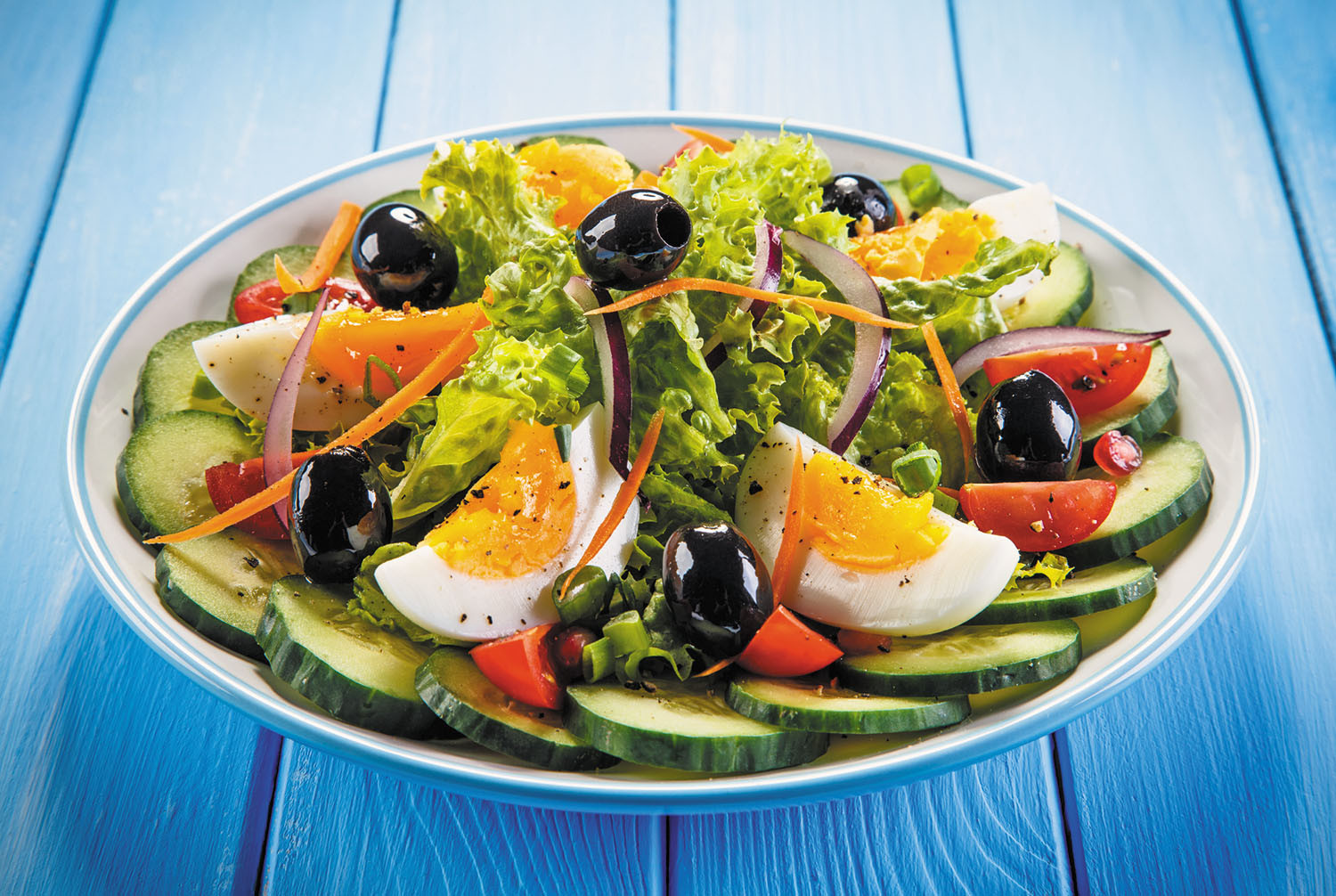
Unscrambling the message on eggs
Advice about eating eggs has evolved over the years. Should you go easy on this popular protein source?
Over the years, eggs have taken a bit of a beating, starting in the late 1960s. That's when the American Heart Association advised people to cut back on cholesterol in their diets and to eat no more than three whole eggs a week.
Decades later, eggs got a break after studies suggested that for most people, an egg a day was A-OK for heart health. But a recent report cracked down on eggs once again, suggesting that we return to the yolk-rationed days of yore (see "No yolk: Eggs linked to slightly higher risk of heart disease").

Legume of the month: Mung beans
Mung beans are popular in many Asian cuisines, where they're used in soups, curries, savory pancakes, and even desserts. These small, olive-green beans have a white speck at the center. Some say the mild flavor of mung beans is reminiscent of potatoes.
Natural food stores and some conventional grocery stores may carry dried mung beans, either packaged or in bulk bins. But Americans are probably more familiar with mung bean sprouts, which are used in Chinese and Thai stir-fries. You can often find these slender, crunchy white sprouts in the produce section of your supermarket. Studies show that mung bean sprouts contain slightly higher levels of beneficial antioxidants than the unsprouted beans.

To lower heart disease risk, swap beef for beans
Research we're watching
Eating healthy, plant-based proteins such as beans and nuts instead of red meat may lower your odds of heart disease, new research finds.
Researchers analyzed data from 36 trials that involved more than 1,800 people to see how different diets affect cholesterol, blood pressure, and other heart disease risk factors. When they compared diets with red meat to all other types of diets combined, there weren't any notable differences in cholesterol or blood pressure (although red-meat diets did lead to high levels of triglycerides, a type of fat in the blood).
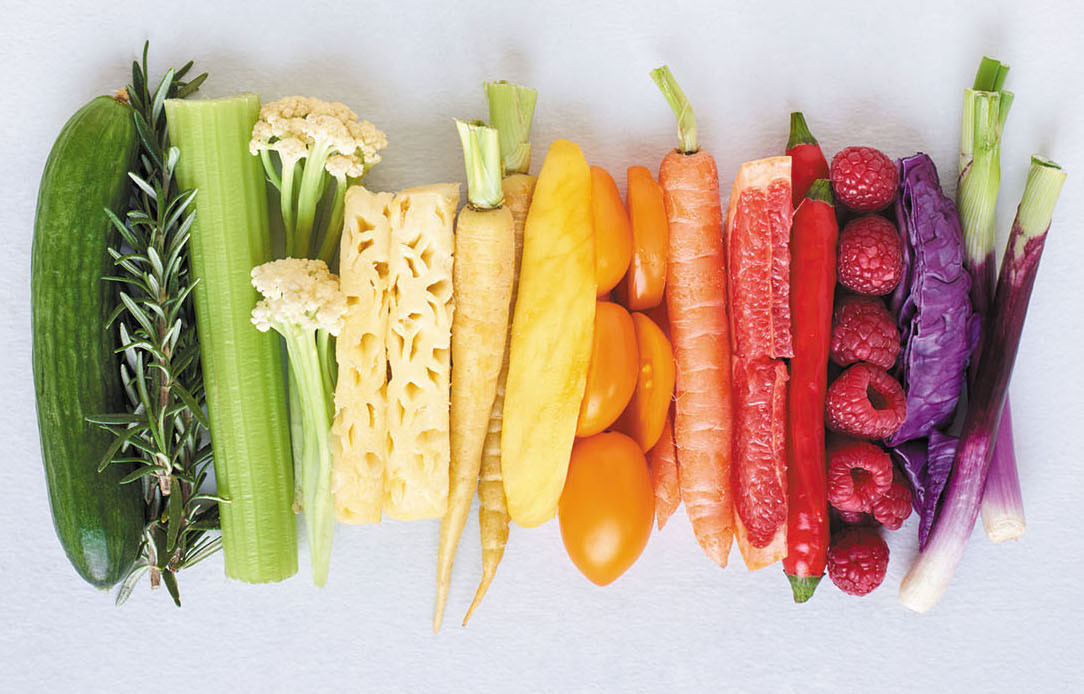
The larger role of micronutrients
You may need more of them in your daily diet than you think.
The saying goes that good things come in small packages, and that is especially true when it comes to nutrition.
There are two major classes of nutrients in food: macronutrients and micronutrients. Macro means big, and macronutrients take their name from the fact they make up the bulk of the nutrition in the food: carbohydrates, protein, and fat. These nutrients supply your calories and serve as the building blocks for muscles and tissues. Most people get plenty — and sometimes too many — from a regular diet.

Nutrients from food, not supplements, help you live longer
In the journals
An adequate intake of certain nutrients from food, but not supplements, is linked with a lower rate of death, according to a study in the April 9, 2019, Annals of Internal Medicine.
Researchers looked at the relationship between food and supplements and death from all causes among more than 30,000 adults. The results shows that adequate intakes of vitamin K, vitamin A, magnesium, zinc, and copper were associated with a lower risk of death from cardiovascular disease—but only if they came from food and not supplements.
Is your liver at risk?
Many Americans have fatty liver disease, a condition that can lead to serious liver problems.
If you're not a big drinker, you may not give much thought to the health of your liver. But there might be reason to be concerned. An estimated 64 million Americans have an often-symptomless liver condition called nonalcoholic fatty liver disease (NAFLD), which may put them at risk not only for serious liver disease, but for heart disease as well.
Many people — including doctors — didn't pay much attention to NAFLD until the 1980s, but life insurance companies have had this issue on their radar for years, says Dr. Michelle Lai, an assistant professor of medicine at Harvard Medical School. They knew that an abnormal liver blood test could reflect a lower life expectancy, and they set the premium higher or decline to insure people with the condition, she says.
Naturally gluten-free foods
Harvard study: Healthier fats linked to longer life after prostate cancer diagnosis
Shingrix shingles vaccine linked with lower heart disease risks
Estrogen-only hormone therapy tied to lower dementia risk
Should you have a hysterectomy?
Stair climbing may significantly lower cardiovascular risks
Why do I sweat so much?
Walking pneumonia: The "mild" illness that can still pack a punch
What causes knee pain: How doctors make a diagnosis
Where you carry excess weight matters in predicting heart disease risk
Free Healthbeat Signup
Get the latest in health news delivered to your inbox!
Sign Up
