

Whole grains may improve several heart risk factors at once

Light exposure at night may raise risk for heart disease

Children of centenarians may stay healthier and live longer too, study finds

A lumbar belt may help ease low back pain

Signs of pneumonia: Sometimes vague and unexpected

Using a vibration plate: What it can — and can't — do for your body

The surprising link between ovarian cancer and the fallopian tubes

People who walk more or walk faster live longer, study finds

Rosacea treatments: What works?

For sleep apnea, a dental device may be as effective as CPAP
Addiction Archive
Articles

Study shows mind-body approaches better than pain relievers for sore backs
Research We’re Watching
Cognitive behavioral therapy has been shown to be effective in treating chronic back pain, but it requires regular visits with a psychotherapist and can be expensive. A team from the University of Washington designed a study to determine whether mindfulness stress reduction—a technique that can be learned and practiced on one's own—is as effective in relieving pain and restoring function as cognitive behavioral therapy or conventional treatment with drugs and physical therapy.
The researchers enrolled 342 people ages 50 to 70—two-thirds of whom were women—who'd had back pain for an average of more than seven years. They randomly assigned the participants to one of three equal groups: one group was taught to practice mindfulness stress reduction, the second received cognitive behavioral therapy, and the third received conventional treatment as needed.

Lend a hand, help your heart?
People who do volunteer work may reap benefits beyond the satisfaction of helping others.
Doing volunteer work may give you a greater sense of purpose in life—a positive emotion that’s been linked to a lower risk of heart disease.
Image: monkeybusinessimages/Thinkstock
If you volunteer on a regular basis, perhaps you've experienced the emotional rewards of donating your time. What you might not realize, however, is that volunteering may offer some added advantages for your heart.
More than sad: Depression affects your ability to think
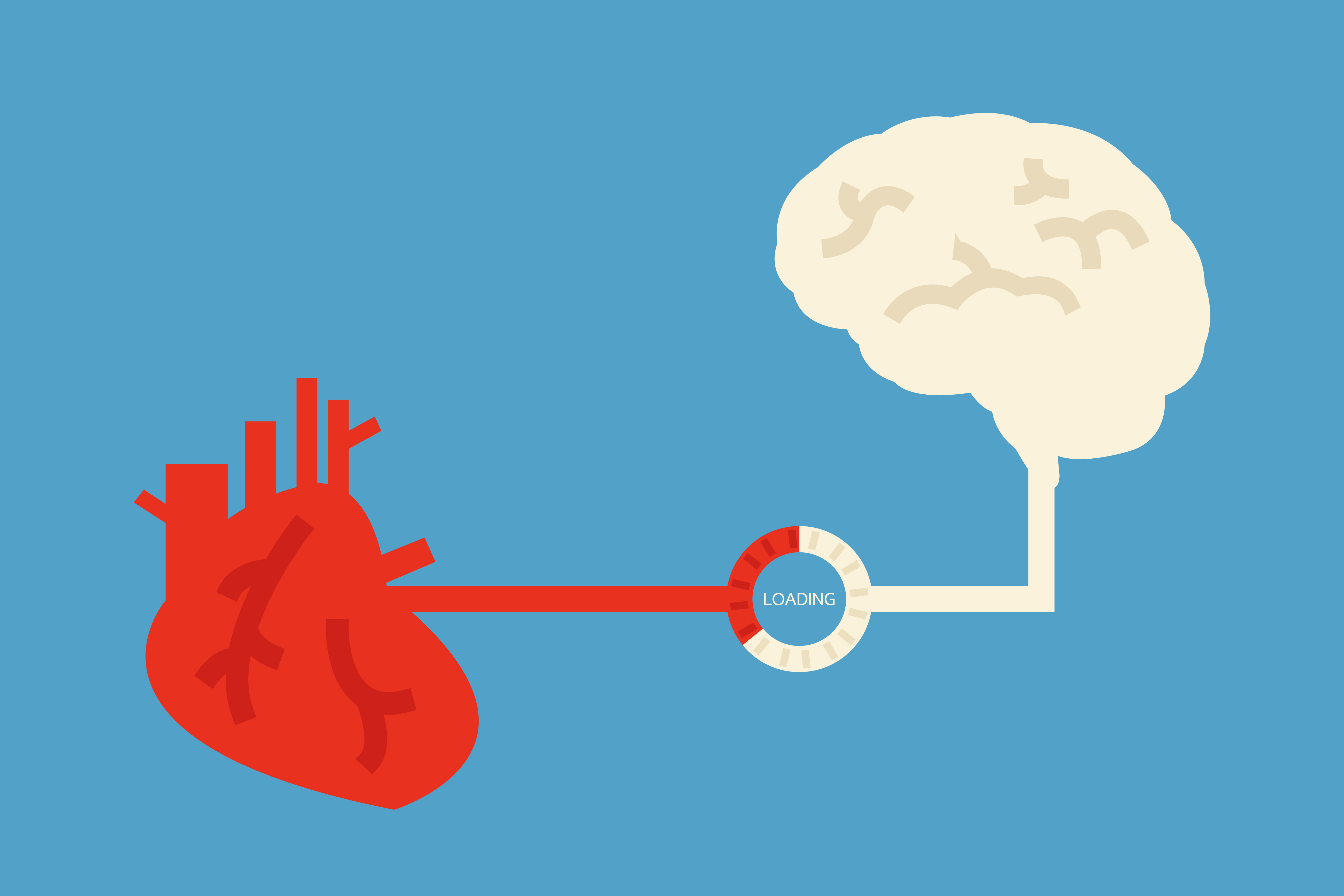
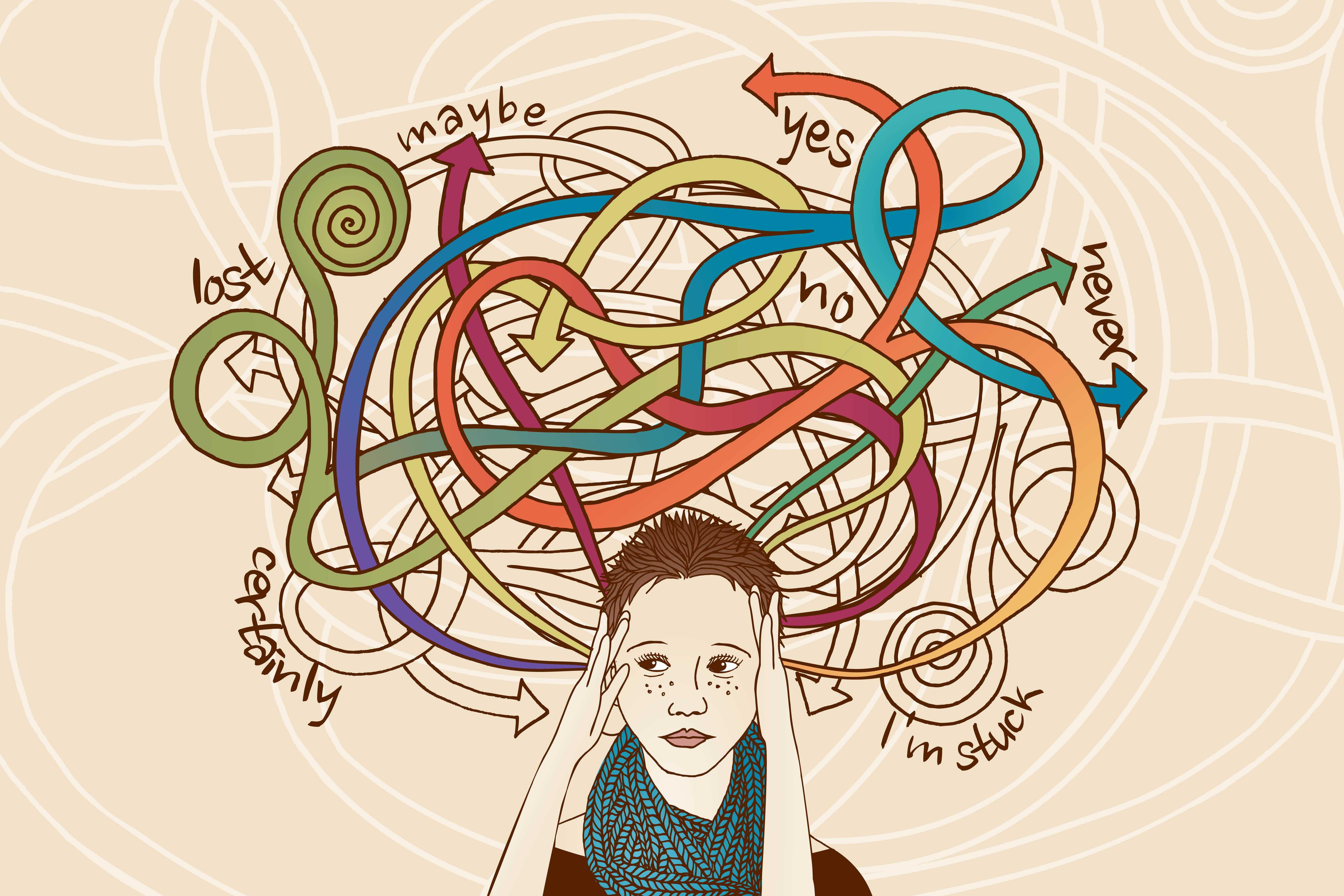
We often think of depression as making someone feel “down,” but it can sometimes show up as cognitive symptoms — for example, trouble with adapting to new information or thinking through a solution to a problem. Researchers recently determined that several common depression medications are not effective at relieving cognitive symptoms. But there are several things people with depression can try to help return themselves to their usual level of cognitive functioning.

Introduction to yoga: The modified sun salutation
People new to yoga will eventually learn the sun salutation, a so-called "yoga flow." You can modify the sun salutation and still learn all the basic moves by using a chair and a floor mat. Learn more at Introduction to Yoga from Harvard Health Publishing.

Whole grains may improve several heart risk factors at once
Light exposure at night may raise risk for heart disease
Children of centenarians may stay healthier and live longer too, study finds
A lumbar belt may help ease low back pain
Signs of pneumonia: Sometimes vague and unexpected
Using a vibration plate: What it can — and can't — do for your body
The surprising link between ovarian cancer and the fallopian tubes
People who walk more or walk faster live longer, study finds
Rosacea treatments: What works?
For sleep apnea, a dental device may be as effective as CPAP
Free Healthbeat Signup
Get the latest in health news delivered to your inbox!
Sign Up
