










Everyday habits that sneakily weaken your bones
Common diet and lifestyle practices can become risk factors for osteoporosis.
- Reviewed by Joy Tsai, MD, Contributor
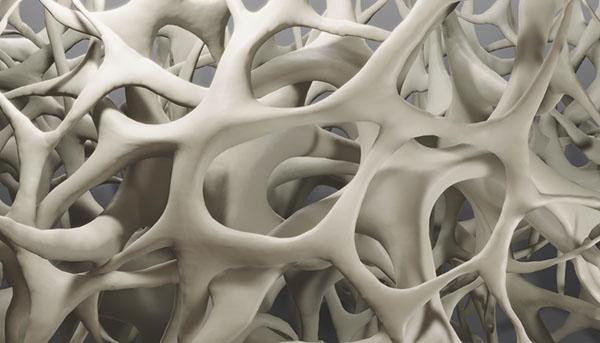
Who among us didn't hear "Drink your milk!" as a kid? We learned early that dietary choices can help build our bones - or sap their strength. But many people aren't aware that a wider variety of everyday habits can stealthily diminish bone health, creating risk factors for osteoporosis.
As we get older, our bodies lose bone faster than we can rebuild it. About 10 million Americans have osteoporosis, a disease that thins and weakens bones, making them more likely to break. Another 44 million have low bone density (known as osteopenia), placing them at higher risk of developing osteoporosis, according to the National Osteoporosis Foundation.
Half of women and up to 25% of men will break a bone in their lifetime due to osteoporosis. But men don't tend to be as aware of their risks as women, who are often warned that bone strength begins to wane at menopause and beyond, says Dr. Joy Tsai, medical director of the Endocrine and Osteoporosis Clinic at Harvard-affiliated Massachusetts General Hospital.
Habits that hurt bones
A variety of behaviors - from what we eat to how we move and more - can contribute to low bone density:
Too little calcium. Healthy adults should aim to take in 1,000 milligrams (mg) daily. That amount increases to 1,200 mg for women over 50 and men over 70. Foods rich in the mineral include dairy products, leafy greens, and fortified plant milks.
Excessive caffeine or soda. While evidence is mixed, large amounts of either substance may interfere with the body's ability to absorb calcium.
Inadequate protein. Many of us know to prioritize protein - abundant in poultry, fish, meat, and soy - to build and maintain muscle mass. But the nutrient is also integral to supporting bone density, Dr. Tsai notes.
Heavy drinking. Much research suggests that more than three alcoholic drinks per day can hinder bone formation and raise the risk of fractures.
Sedentary lifestyle. People who sit a lot are unlikely to get enough bone-strengthening weight-bearing exercise, which includes such activities as walking, climbing stairs, hiking, and dancing.
Smoking. Tobacco use is bad for every aspect of health, of course, but it also increases fracture risk.
Frequent dieting or restrictive eating. Eating too little can chip away at bone health by depriving bones of important nutrients.
Certain medications. These include heartburn drugs called proton-pump inhibitors as well as oral steroids, particularly as used for asthma or autoimmune diseases. And the latter are far more harmful than the former. "If you can manage symptoms through other means, that would be ideal," Dr. Tsai says.
Signs of osteoporosis
Osteoporosis is usually silent until a fracture occurs. But other situations may alert you to diminishing bone strength:
Fractures from minor bumps or falls. "If you broke your wrist while walking your dog, you might not think it's worrisome. But to me, that's already a red flag your bone quality might not be as good as it could be," Dr. Tsai says.
Loss of height. "I'm not alarmed until someone has lost two or three inches," she says. "That's considered a good indication to get your bone density checked." This is done with an imaging test called a DEXA scan. Screening generally begins at age 65 and older for women, or 50 and up for people considered at higher risk of osteoporosis.
If you're concerned about your bone health, Dr. Tsai recommends asking your doctor whether supplements - such as calcium or vitamin D (which promotes calcium absorption) - might be helpful. She also suggests reviewing your medication list to determine if any pose a threat to bone health or make you dizzy or lightheaded, raising your fall risk. "You may be able to stop taking certain medications," she says.
Try this bone-strengthening exerciseBench-pressing weights signals bones to become denser by putting healthy stress on them. This movement builds and maintains bone strength in areas that don't otherwise do much heavy lifting - the upper arms, shoulders, and forearms. Here's how to do it:
Photos by Thomas MacDonald |
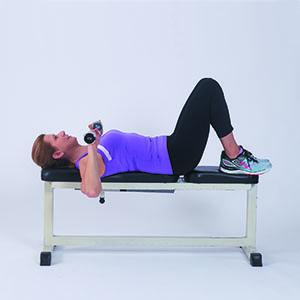
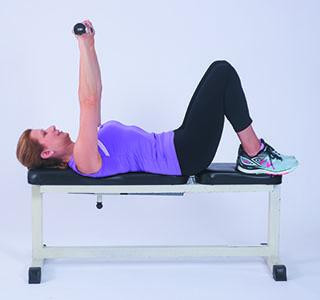
Image: © Artur Plawgo / Science Photo Library/Getty Images
About the Author

Maureen Salamon, Executive Editor, Harvard Women's Health Watch
About the Reviewer

Joy Tsai, MD, Contributor
Disclaimer:
As a service to our readers, Harvard Health Publishing provides access to our library of archived content. Please note the date of last review or update on all articles.
No content on this site, regardless of date, should ever be used as a substitute for direct medical advice from your doctor or other qualified clinician.


