GLP-1 drugs may lower odds of developing substance use disorders
News briefs
- Reviewed by Robert H. Shmerling, MD, Senior Faculty Editor, Harvard Health Publishing; Editorial Advisory Board Member, Harvard Health Publishing
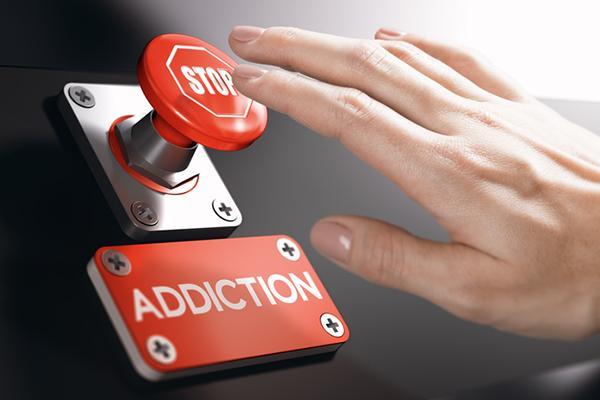
While increasing research has examined the effects of GLP-1 medications on alcohol use disorder, other evidence indicates the medications — prescribed for diabetes and weight loss — may have a broader effect on addiction. That’s the finding of a study published March 4, 2026, in The BMJ, which suggests GLP-1s are linked with lower risks of developing substance use disorders involving cannabis, cocaine, nicotine, or opioids.
Researchers analyzed medical records from 606,434 US veterans (average age 65; 90% men), all of whom had diabetes and took either a GLP-1, such as semaglutide (Ozempic) or tirzepatide (Mounjaro), or an older diabetes drug called an SGLT-2, such as empagliflozin (Jardiance). Using the data, the researchers simulated seven clinical trials that compared the apparent effects of GLP-1s and SGLT-2 medications on people with existing substance use disorders, as well as whether the medicines could help prevent such disorders from developing.
Participants who started using a GLP-1 were 14% less likely to develop a substance use disorder over the next three years than participants using an SGLT-2. Among participants who already had addiction, GLP-1 drugs were associated with significantly fewer complications such as overdose, hospitalization, emergency visits, and drug-related deaths.
Image: © Olivier Le Moal/Getty Images
About the Author

Maureen Salamon, Executive Editor, Harvard Women's Health Watch
About the Reviewer

Robert H. Shmerling, MD, Senior Faculty Editor, Harvard Health Publishing; Editorial Advisory Board Member, Harvard Health Publishing
Disclaimer:
As a service to our readers, Harvard Health Publishing provides access to our library of archived content. Please note the date of last review or update on all articles.
No content on this site, regardless of date, should ever be used as a substitute for direct medical advice from your doctor or other qualified clinician.