









Ways to maximize your energy
Lifestyle tweaks and a little planning will help reduce fatigue and give you more oomph for everyday activities.
The boundless energy we took for granted in youth usually fades as we age. While we once had the ability to tackle lots of strenuous or stressful tasks in a day, now even a few bursts of activity can leave us feeling flat-out fatigued. So what happens to our energy? Can we rev it back up? And how can we make the most of the energy we have?
Why energy changes
Your energy level can decline as a result of aging, illness, or other factors. Here are some of the main ones.
Age-related changes. As we get older, we lose energy-producing engines in the cells (mitochondria), and as a result we make less adenosine triphosphate (ATP)—the molecule that delivers energy to cells throughout the body. We also lose muscle mass, resulting in fewer cells, fewer mitochondria, and lower ATP production. If you’re too tired to be active, it compounds the problem by further weakening and shrinking muscles.
Chronic illness. Many illnesses, such as depression, rheumatoid arthritis, and heart disease, cause fatigue, making it hard to get through daily activities.
Medication side effects of medications. Many drugs can make you drowsy, such as antidepressants, antihistamines, anticonvulsants, and some blood pressure drugs (beta blockers, for example).
Poor diet. Are you eating too much processed food or simply not consuming enough calories? That’s not helping your muscles, organs, or mitochondria. They all need nutrients and fuel to work properly.
Other lifestyle factors. Poor sleep, chronic stress, and social isolation also have physiological consequences that can sap energy at the cellular level.
Boosting energy
Fortunately, a healthier lifestyle can help give you more energy. That means eating a diet low in added sugars and processed foods, with enough calories and nutrients to meet your needs; getting seven to nine hours of sleep each night; managing stress; and (if necessary) talking to your doctor about medication side effects.
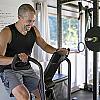
And perhaps the fastest, most important way to boost your energy is to move more. The recommended amounts of exercise are at least 150 minutes of aerobic activity (such as brisk walking) per week and at least two muscle-strengthening workouts per week. But studies have shown that any amount of exercise is beneficial.
For example, a 2023 review of almost 200 randomized controlled trials of resistance training, published by the British Journal of Sports Medicine, found that people who did any strength training at all increased muscle mass and physical function compared with people who didn’t do strength training. The most effective regimens for strength included higher-weight loads and more repetitions.