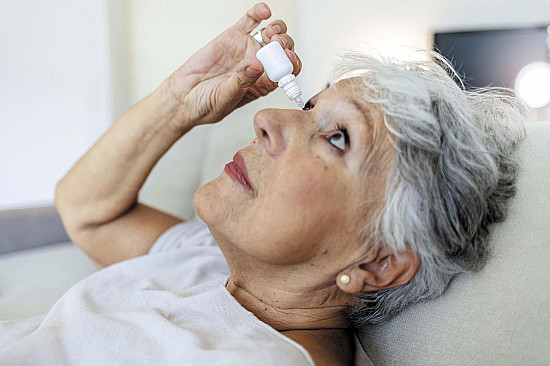
Can certain foods lower the risk of developing macular degeneration?
Ask the doctor

Q. Two family members have developed macular degeneration. What are the best foods to eat to help avoid developing it?
A. Some evidence shows that foods rich in antioxidant vitamins and omega-3 fatty acids may help prevent the progression of macular degeneration.
The retina (back of the eye), especially the macula, is prone to oxidative stress from free radicals. These are molecules that damage proteins and DNA within cells.
Antioxidants fight free radicals. They are thought to help protect the retina from this damage.
Lutein and zeaxanthin are carotenoids with antioxidant properties found in the retina. Diets rich in these compounds have been associated with an increased amount of pigment in the macula. Higher pigment density helps protect cells in the macula from damage by free radicals.
You'll find lutein and zeaxanthin in most fruits and vegetables, especially yellow and orange varieties and leafy greens. Egg yolks are an even richer source of these nutrients.
Dietary intake of the omega-3 fatty acid DHA (docosahexaenoic acid) may be important to retinal health as well. Omega-3 fatty acids have anti-inflammatory properties. There is evidence to suggest that inflammation plays a role in macular degeneration.
There's no direct proof that you can alter your risk by changing your diet. But even if you don't, eating fish at least twice a week and at least five servings of fruits and vegetables daily definitely will help keep your heart healthy.
Image: © Koval Nadiya/Getty Images
About the Author
Howard E. LeWine, MD, Chief Medical Editor, Harvard Health Publishing; Editorial Advisory Board Member, Harvard Health Publishing
Disclaimer:
As a service to our readers, Harvard Health Publishing provides access to our library of archived content. Please note the date of last review or update on all articles.
No content on this site, regardless of date, should ever be used as a substitute for direct medical advice from your doctor or other qualified clinician.