The turkey coma — fact or fiction?
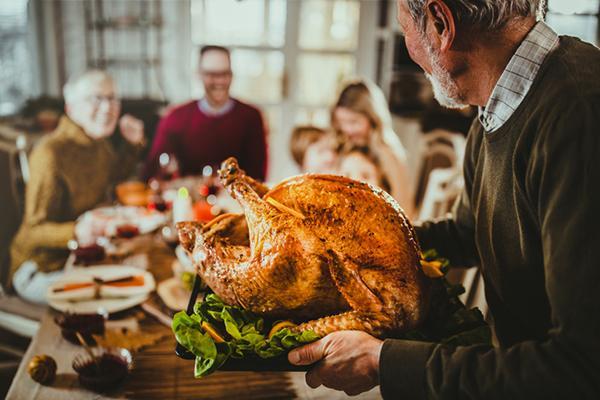
Here's something you may have heard before: eating turkey can make you sleepy.
The logic behind this idea is that turkey contains lots of tryptophan, a naturally sedating substance. There's just one problem: There's not enough tryptophan in a serving of turkey to have much of an effect. And if it did, you should feel just as tired after a meal of salmon because it contains a similar amount of tryptophan.
If you're feeling sleepy after eating turkey, it's more likely just from digesting a big meal. Or it could be the alcoholic beverages that often go with big meals.
Whatever the reason, the "turkey coma" is a medical myth. But let's take a closer look at the tryptophan-turkey connection.
What Is tryptophan?
Tryptophan is an amino acid, a building block of protein. It's called an "essential" amino acid because the body cannot make it. Instead, you have to eat foods that contain tryptophan to get enough.
Besides making thousands of proteins, the body uses tryptophan to make serotonin, a key brain transmitter. Serotonin plays a role in the regulation of mood. That's why antidepressants like fluoxetine (Prozac) target serotonin. Tryptophan also helps induce sleep. So, its sedative effects could be related to its role in the synthesis of serotonin.
(Tryptophan is also necessary for making niacin, a B vitamin that is important to skin, nerves, and the digestive tract.)
Tryptophan supplements are taken for insomnia in doses that range from 1,000 milligrams (mg) to 3,000 mg daily. When used for depression, doses of 3,000 to 6,000 mg are common. Meanwhile, a 3-ounce serving of turkey contains about 250 mg, similar to the amount in chicken or beef. In addition, the synthesis of serotonin is tightly regulated, so ingesting extra tryptophan will not reliably cause increased serotonin levels in the brain.
Where does tryptophan come from?
It's not hard to get enough tryptophan. By including the following foods in your diet, adults can easily get the required 250 to 400 milligrams of tryptophan a day:
- oats
- bananas
- tofu
- milk, yogurt, cottage cheese, eggs
- red meat, poultry, fish
- peanuts, sunflower seeds.
What are the risks of too much tryptophan?
The risk of ingesting extra tryptophan either through diet or supplements is considered low. Nevertheless, thousands of people became ill in the late 1980s with a newly described condition called eosinophilic myalgia syndrome (EMS) after they took a contaminated supplement. It was sold by a manufacturer in Japan and distributed throughout the world.
As a result, the FDA banned over-the-counter supplements of tryptophan in the United States in 1989. The ban was lifted in 2005, after the manufacturing problems were fixed.
Side effects reported with the use of tryptophan include:
- dizziness
- dryness of the mouth
- nausea
- loss of appetite
- headache.
It's unlikely that eating "usual" amounts of turkey would ever cause these side effects because the amount of tryptophan is simply too low.
The bottom line
If you like to eat turkey at Thanksgiving, Christmas, or any other time, you need not avoid it because it might make you sleepy. You're just as likely to feel tired after eating other common foods.
If you really want to remain alert after the big meal, cut down on your portion size, cut back on your alcohol intake, and take a walk after dinner. By the time you're eating leftovers, you may get tired of turkey - but it's unlikely that turkey will make you tired.
Image: © skynesher/Getty Images
About the Author

Robert H. Shmerling, MD, Senior Faculty Editor, Harvard Health Publishing; Editorial Advisory Board Member, Harvard Health Publishing
Disclaimer:
As a service to our readers, Harvard Health Publishing provides access to our library of archived content. Please note the date of last review or update on all articles.
No content on this site, regardless of date, should ever be used as a substitute for direct medical advice from your doctor or other qualified clinician.