

CoQ10: Should you take this popular supplement if you're on a statin?

Microplastics: A hidden health threat?

Oat vs. dairy milk: Nutrition, benefits, and downsides

What is tempeh? Benefits, nutrition, and how to use it

Healing after food poisoning

Children of centenarians may stay healthier and live longer too, study finds

Light exposure at night may raise risk for heart disease

Whole grains may improve several heart risk factors at once

A lumbar belt may help ease low back pain

Signs of pneumonia: Sometimes vague and unexpected
Women's Health Archive
Articles

Why are my breasts sore?
Breast pain after menopause may be due to noncyclic mastalgia, which is not influenced by hormone fluctuations. Women should contact a doctor if pain persists or they develop breast swelling or redness, nipple discharge, or fever.
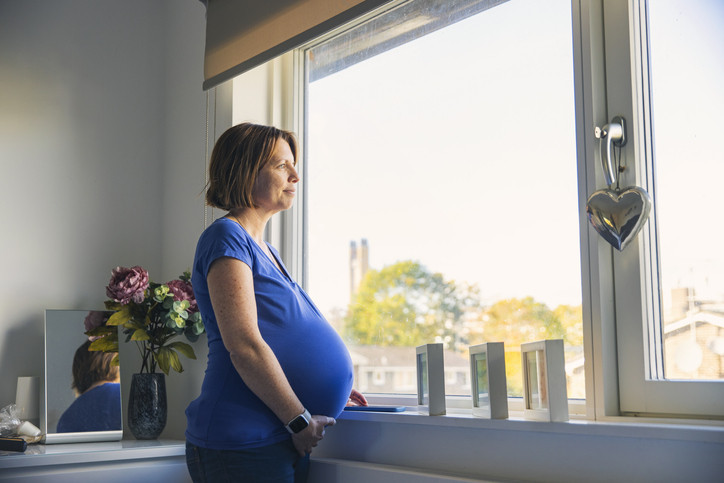
Expectant mothers can rest easier about taking antidepressants
A 2022 study found that antidepressant use during pregnancy is not associated with problems in children's future brain health or behavior patterns. The medications were not linked to conditions such as autism, ADHD, or problems in speech, language, learning, and coordination.

A lethal cancer's long reach
While ovarian cancer is not always inherited, family history is the top risk factor for the disease, which is diagnosed in 20,000 American women and kills 13,000 annually. Symptoms, such as bloating, pelvic pain, bowel or bladder habit changes, and unusual vaginal discharge or bleeding, are often vague and subtle until the disease is advanced, making it hard to detect and cure. No standard screening test is available for ovarian cancer. Women with symptoms can ask for a pelvic ultrasound. Women with a family history should seek genetic counseling and testing.

Vegetarian diet linked to more hip fractures in women
A 2022 study found that women ages 35 to 69 who ate vegetarian diets were significantly more likely to break a hip than peers who ate fish or meat. Vegetarians need to be sure they get adequate amounts of dietary protein, calcium, vitamin D, and other micronutrients to maintain bone health.

Bladder problems that warrant a doctor's visit
Bladder problems in women can increase due to childbirth, menopause, and aging. Additional contributors to bladder symptoms include weight gain, pelvic organ prolapse, and the types of beverages people drink, as well as how much and how often. Women should see a doctor about increasing leakage, urgency, frequency, or nighttime urination; cloudy or strong-smelling urine; pain or burning while urinating; pain during sex; or lower abdominal pain.

Eating disorders in midlife
By age 40, one in five women has dealt with an eating disorder, twice the proportion of women known to be affected by age 21. Risks for anorexia, bulimia, and binge eating can rise at midlife due to job stressors, an empty nest, and dating again after divorce or widowhood. Health effects can include bone loss, heart problems, lung conditions, gastrointestinal issues, diabetes, and skin breakdown. Signs of an eating disorder include dramatic weight fluctuations, excessive exercising, and preoccupation with weight, calories, and body size and shape.

Cancer Network updates recommendations for breast cancer screening in younger women
New guidelines released in 2022 by the National Comprehensive Cancer Network advise women at average risk for breast cancer to begin undergoing annual mammograms at age 40. However, the United States Preventive Services Task Force (USPSTF) recommends that women and their doctors make a shared decision to start routine mammography before age 50.

Light therapy: Not just for seasonal depression?
Light therapy can help improve seasonal affective disorder (SAD). But many people don't realize that it can also be effective for major depression, and depression that occurs during or after pregnancy (known as perinatal depression).

Are women turning to cannabis for menopause symptom relief?
A recent Harvard-led survey found that nearly 80% of midlife women use cannabis to ease certain symptoms, such as mood issues and trouble sleeping. But does cannabis help menopause symptoms and what are the long-term effects? Here's what you should know.

How to choose period products
While period products are often single-use items like tampons and pads, reusable products are gaining in popularity. Deciding which products to use depends on how a person feels about cost, comfort, safety, and environmental impact.
CoQ10: Should you take this popular supplement if you're on a statin?
Microplastics: A hidden health threat?
Oat vs. dairy milk: Nutrition, benefits, and downsides
What is tempeh? Benefits, nutrition, and how to use it
Healing after food poisoning
Children of centenarians may stay healthier and live longer too, study finds
Light exposure at night may raise risk for heart disease
Whole grains may improve several heart risk factors at once
A lumbar belt may help ease low back pain
Signs of pneumonia: Sometimes vague and unexpected
Free Healthbeat Signup
Get the latest in health news delivered to your inbox!
Sign Up
