

What is tempeh? Benefits, nutrition, and how to use it

Light exposure at night may raise risk for heart disease

Whole grains may improve several heart risk factors at once

A lumbar belt may help ease low back pain

Children of centenarians may stay healthier and live longer too, study finds

Signs of pneumonia: Sometimes vague and unexpected

The surprising link between ovarian cancer and the fallopian tubes

Using a vibration plate: What it can — and can't — do for your body

People who walk more or walk faster live longer, study finds

Rosacea treatments: What works?
Urinary incontinence Archive
Articles

Decoding your breast cancer risk
Breast cancer risk assessment scores can enable clinicians to estimate a woman's risk of developing invasive breast cancer over the next five years, as well as her lifetime risk. The tools ask users about myriad factors that influence breast cancer risk. But risk calculators don't necessarily provide the kind of precision and insight some women seek. A risk score can't tell a woman for certain whether she will or won't develop breast cancer. Risk calculators typically also don't determine when or how often most women should seek mammograms.

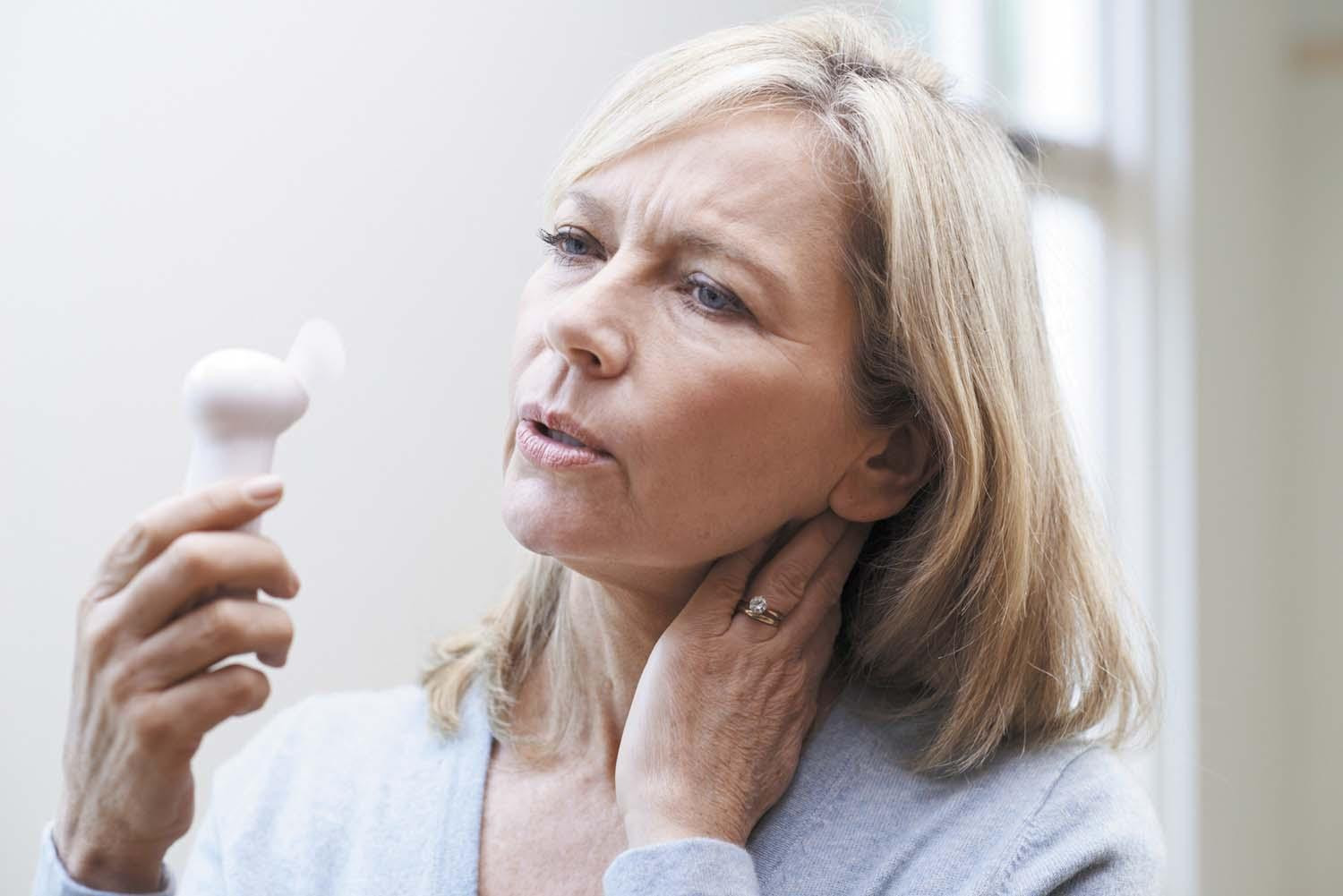
Are hot flashes a warning sign?
Menopausal hot flashes and night sweats, called vasomotor symptoms, are linked in research to higher odds of dementia and cardiovascular disease. But studies don't necessarily account for other health and lifestyle factors that influence brain and heart health. Women who are physically active and have a lower body mass index are less likely to become cognitively impaired. Disrupted sleep, which is common for women with vasomotor symptoms, may also contribute to cardiovascular and cognitive problems.

How is PSA used to monitor prostate cancer?
Men on active surveillance for low-risk prostate cancer might need treatment if their PSA levels start to rise. Doctors also measure PSA to check for recurring cancer in men who were already treated with surgery or radiation. But use of the test in such cases differs in important ways.
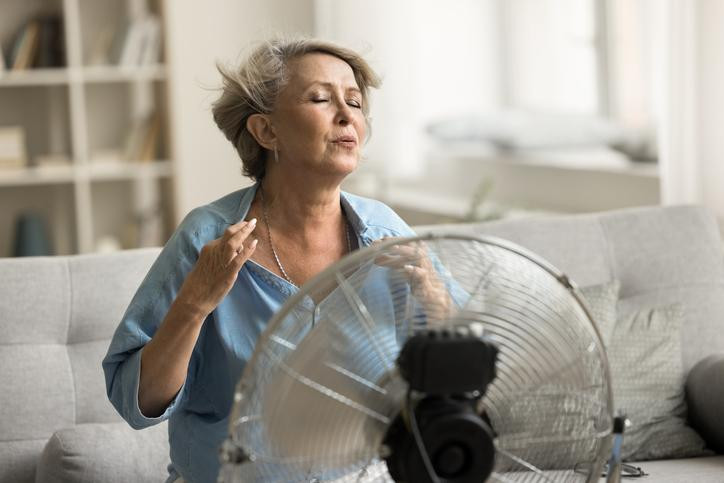
Extreme heat endangers older adults: What to know and do
The surge in heat waves and extreme heat poses serious health risks for everyone but is a particular worry for older adults. What can you do to manage heat-related risks, especially if you have existing health conditions or take certain medications?

What is a PSA test and how is it used?
Every year, millions of men around the world get a prostate-specific antigen (PSA) test. Abnormal readings on the test suggest a man might have prostate cancer. But how should an abnormal result be interpreted?

Finding advanced prostate cancers
For men who choose prostate cancer screening, it begins with measuring prostate-specific antigen (PSA) in the blood. Scientists continue to explore strategies beyond PSA testing to identify men who should have biopsies because they are more likely to have intermediate or high-risk cancer. These strategies include other types of PSA measurements, urine tests for genes, new imaging methods and artificial intelligence that works to improve the accuracy and efficiency of MRI and biopsies.

Does hormone therapy delay menopause?
Using hormone therapy, which involves taking estrogen and sometimes progesterone, doesn't stop or slow the approach of menopause. The arrival of menopause is determined by women's ovaries, not by the amount of these hormones in the body.

New ultrasound technique shows promise as an alternative to MRI for guiding prostate biopsies
High-resolution micro-ultrasound may be an efficient alternative to using MRI plus conventional ultrasound to guide prostate biopsies, according to a 2025 study. The micro-ultrasound method proved as accurate as MRI guidance, but requires fewer visits and costs less.

Kidney stones: From agony to action
Kidney stones are increasingly common among Americans. Made of minerals and acid salts in the urine, the hard deposits cause symptoms when they get stuck in the ureter, the tube that leads to the bladder. Symptoms include excruciating pain, blood in the urine, nausea, vomiting, fever, and chills. Risk factors for kidney stones include low fluid intake, family history, pregnancy, obesity, high blood pressure, gastric bypass surgery, and eating foods high in salt or sugar. Most kidney stones pass on their own, but treatments can retrieve or destroy the stones.
What is tempeh? Benefits, nutrition, and how to use it
Light exposure at night may raise risk for heart disease
Whole grains may improve several heart risk factors at once
A lumbar belt may help ease low back pain
Children of centenarians may stay healthier and live longer too, study finds
Signs of pneumonia: Sometimes vague and unexpected
The surprising link between ovarian cancer and the fallopian tubes
Using a vibration plate: What it can — and can't — do for your body
People who walk more or walk faster live longer, study finds
Rosacea treatments: What works?
Free Healthbeat Signup
Get the latest in health news delivered to your inbox!
Sign Up
