

Naturally gluten-free foods

Harvard study: Healthier fats linked to longer life after prostate cancer diagnosis

Shingrix shingles vaccine linked with lower heart disease risks

Estrogen-only hormone therapy tied to lower dementia risk
Should you have a hysterectomy?
Stair climbing may significantly lower cardiovascular risks
Why do I sweat so much?
Walking pneumonia: The "mild" illness that can still pack a punch

What causes knee pain: How doctors make a diagnosis
Where you carry excess weight matters in predicting heart disease risk
Sleep hygiene Archive
Articles

Sleeping five hours or less may raise dementia risk

Cognitive behavioral therapy for insomnia by telemedicine: Is it as good as in-person treatment?

Coming out of COVID

Treating sleep apnea: Good for your heart and mind?

Plant-based diet quality linked to lower stroke risk
People who ate healthy plant-based foods had a 10% reduction in stroke risk, compared with people who ate unhealthy plant-based foods, according to a Harvard study published online March 10, 2021, by the journal Neurology.

Sleep to solve a problem

Sleep well — and reduce your risk of dementia and death
Although it has been known for some time that individuals with dementia frequently have poor, fragmented sleep, two new studies suggest that if you don't get enough sleep in midlife, you are at increased risk for dementia later in life.

Moonlight may affect sleep cycles
Research we're watching
Urban legends have linked full moons to everything from werewolves to erratic behavior, but a new study connects them to something else — sleep loss. A Jan. 27, 2021, study in Science Advances found that people fell asleep later and slept for less time over all in the three to five days leading up to a full moon. The effect was even more pronounced in areas where people had less access to artificial light.
To come to their conclusions, researchers studied people in three communities in Argentina: one on the outskirts of a city, a small rural settlement with limited access to electricity, and a group of people in a remote area who had no access to electric light. The study authors also analyzed the sleep of 464 University of Washington students who took part in a sleep study. All participants wore sleep-tracking devices for at least one week and in some cases up to two months. The researchers compared their sleep patterns to the moon phases. Individuals took from 30 to 80 minutes longer to fall asleep during the lead-up to the full moon, and people lost anywhere from 20 minutes to 90 minutes of total sleep on those nights. The researchers said it's possible that the full moon made people more active at night, which is why sleep differences were more pronounced in communities with less access to electricity. Artificial light, they said, might produce a similar effect.

Regular afternoon naps can help wake up aging brains
In the journals
Afternoon naps can recharge a weary body; now research has found they also may boost cognitive function. An observational study published online Jan. 25, 2021, by General Psychiatry looked at 2,214 healthy people ages 60 and older in China, where afternoon naps are common. The participants were asked about whether they napped at least five minutes after lunch. Two-thirds took naps, and the others did not.
Everyone then underwent testing to measure various mental skills, such as memory, naming, attention, calculation, and orientation. The researchers then obtained more specifics about their napping habits, including how long they napped and how often per week.
Optimize your exercise routine
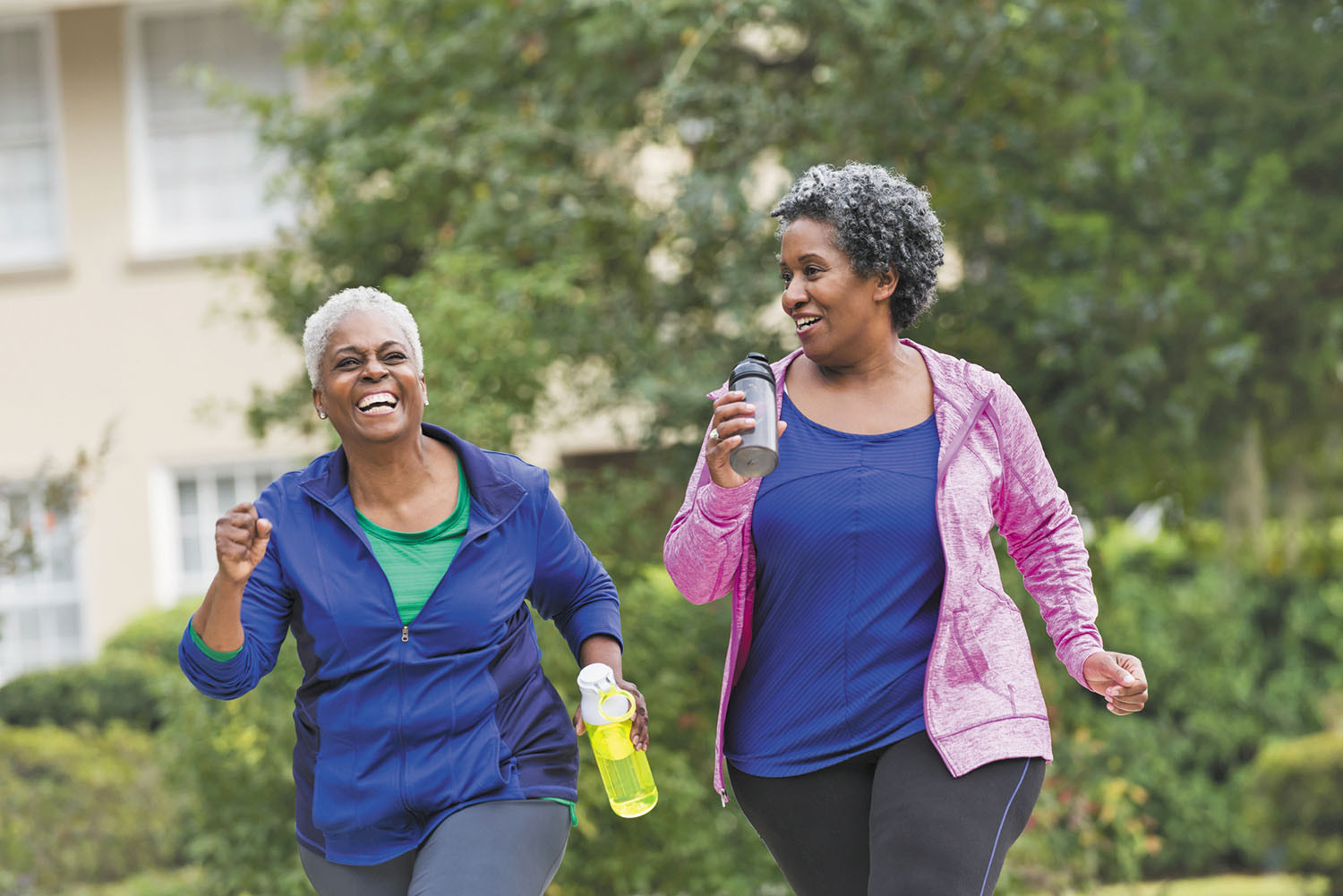
Whether you're an exercise novice or a gym regular, these tips can help you get the most out of your workout.
When it comes to exercise, timing is everything — but not in the way we normally think about timing. What matters most is making the time to exercise regularly, not when it happens. That said, your personal experience and specific goals may influence what workout schedule works best for you.
"If you're just starting a physical activity routine, any time that you feel motivated and energized enough to exercise is the best time for you," says Dr. Beth Frates, clinical assistant professor of physical medicine and rehabilitation at Harvard Medical School. For some people, that's in the morning; for others, the afternoon works better. But if you can work out with a friend, choose a time that works best for both of you, she suggests. Teaming up with an exercise buddy is more enjoyable, and you can hold each other accountable.
Naturally gluten-free foods
Harvard study: Healthier fats linked to longer life after prostate cancer diagnosis
Shingrix shingles vaccine linked with lower heart disease risks
Estrogen-only hormone therapy tied to lower dementia risk
Should you have a hysterectomy?
Stair climbing may significantly lower cardiovascular risks
Why do I sweat so much?
Walking pneumonia: The "mild" illness that can still pack a punch
What causes knee pain: How doctors make a diagnosis
Where you carry excess weight matters in predicting heart disease risk
Free Healthbeat Signup
Get the latest in health news delivered to your inbox!
Sign Up
