

Naturally gluten-free foods

Harvard study: Healthier fats linked to longer life after prostate cancer diagnosis

Shingrix shingles vaccine linked with lower heart disease risks

Estrogen-only hormone therapy tied to lower dementia risk
Should you have a hysterectomy?

Stair climbing may significantly lower cardiovascular risks

Why do I sweat so much?

Walking pneumonia: The "mild" illness that can still pack a punch

What causes knee pain: How doctors make a diagnosis
Where you carry excess weight matters in predicting heart disease risk
Sleep hygiene Archive
Articles

Seven hours of sleep linked to better blood sugar regulation
A 2026 study found that sleeping 7.3 hours on weeknights may be associated with better blood sugar regulation by improving insulin sensitivity—how efficiently cells respond to insulin and absorb sugar from the bloodstream.

When your brain takes revenge at bedtime
Revenge bedtime procrastination involves sacrificing sleep to prioritize personal time for activities unrelated to the demands of work or caregiving. Short-term effects of insufficient quality sleep time include next-day fatigue and negative mood. Persistent sleep deprivation can increase risks of conditions such as cardiovascular disease and dementia.

Try this: Progressive muscle relaxation for sleep
People with insomnia can quiet a racing mind or relax a tense body with progressive muscle relaxation, which involves gradually tensing and relaxing muscles, beginning with the toes and working up the body.
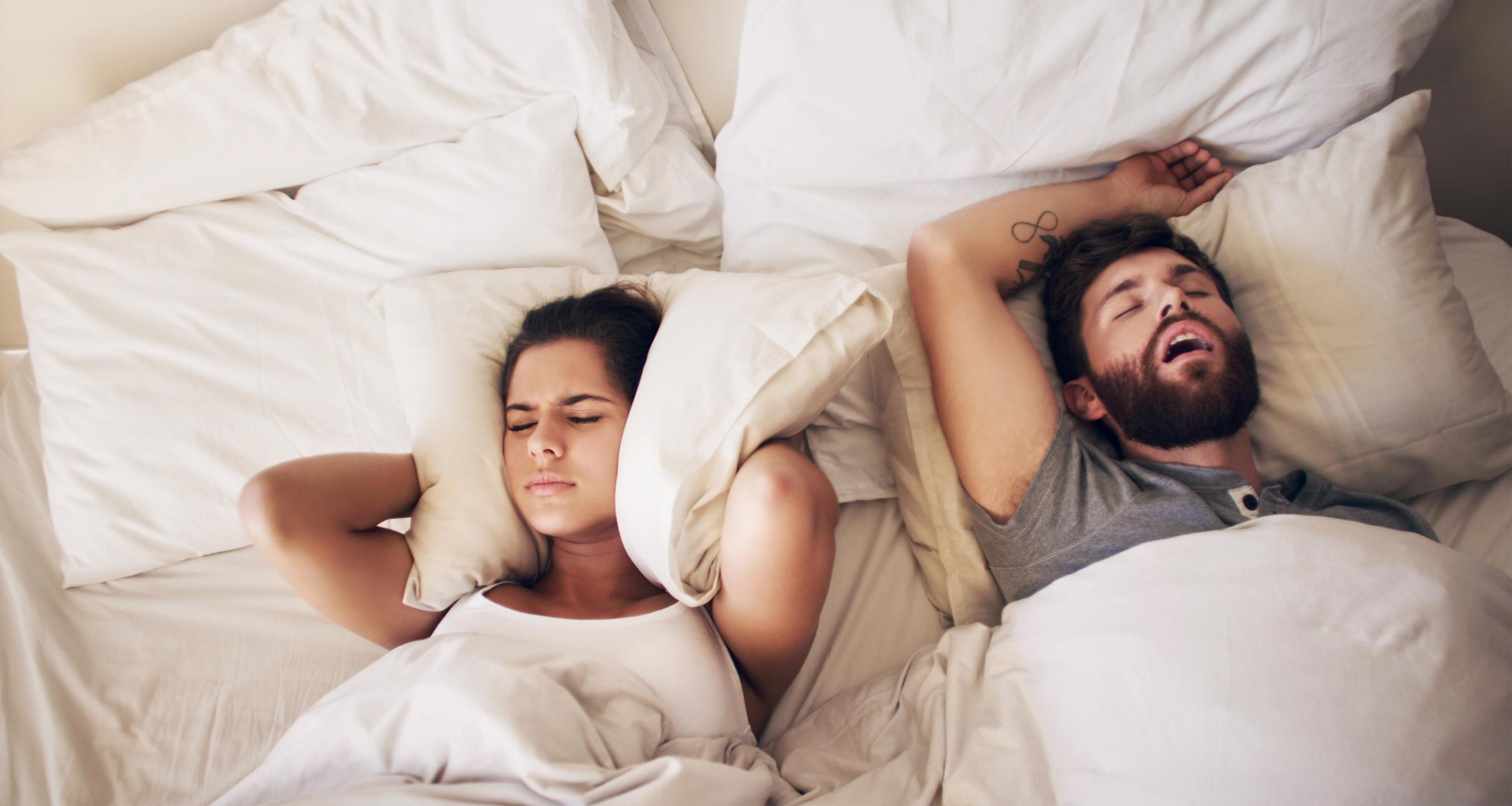
Ask the Doc: How can I stop snoring?
Snoring is common, but factors like alcohol, medications, weight, smoking, and sleep position can all make it worse. In this Ask the Doc video, Harvard Medical School Dean Dr. David Roberts shares tips that can help reduce snoring and improve your breathing at night.

Night owls' habits linked to worse heart health
Compared to people who have moderate sleep-and-wake patterns, night owls may be more likely to have unhealthy habits that put their heart health at risk, according to a 2026 study.
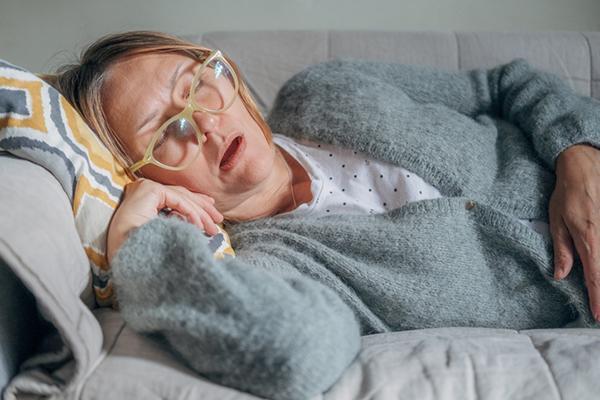
What could be causing my nighttime gasping for breath?
Sudden gasps for air at night can be alarming. Explore how allergies, blocked airways, or more serious sleep and heart problems might be involved.
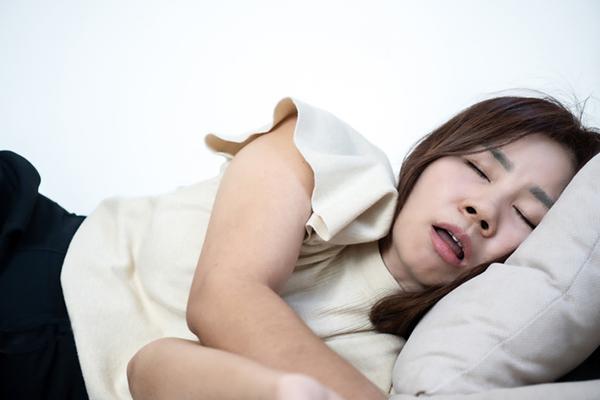
What could be causing my snoring?
Persistent snoring may point to more than noisy sleep. Learn what might be behind it and which fixes to consider.

Addressing poor sleep may help heart health
Growing evidence suggests that poor sleep is linked to a host of health problems, including a higher risk of high blood pressure, diabetes, obesity, and heart disease. Now, a recent study on people in midlife finds that having a combination of sleep problems may nearly triple a person's risk of heart disease.
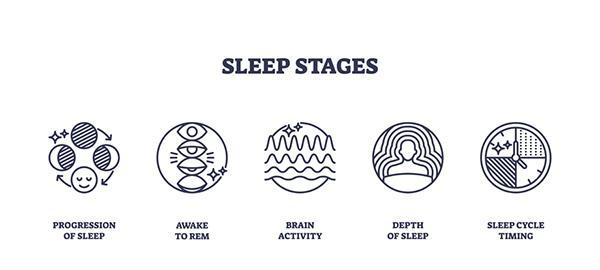
What is "sleep architecture?"
Sleep architecture is the pattern and sequence of sleep cycles and stages. People cycle through four to six periods of light and deep sleep each night. Aging, stress, illness, and alcohol consumption can influence people’s sleep architecture.
Can alcohol before bed help you sleep?
A drink before bed may seem like a good idea, but its hidden effects on your brain, heart, and breathing can ruin your night's sleep.
Naturally gluten-free foods
Harvard study: Healthier fats linked to longer life after prostate cancer diagnosis
Shingrix shingles vaccine linked with lower heart disease risks
Estrogen-only hormone therapy tied to lower dementia risk
Should you have a hysterectomy?
Stair climbing may significantly lower cardiovascular risks
Why do I sweat so much?
Walking pneumonia: The "mild" illness that can still pack a punch
What causes knee pain: How doctors make a diagnosis
Where you carry excess weight matters in predicting heart disease risk
Free Healthbeat Signup
Get the latest in health news delivered to your inbox!
Sign Up
