

People who walk more or walk faster live longer, study finds

For sleep apnea, a dental device may be as effective as CPAP

Rosacea treatments: What works?

Carb cycling: What is it, and does it work?

Understanding orthorexia: Have your healthy eating goals gone too far?

Melatonin or magnesium: Can either supplement help you sleep?

Salmonella, E. coli, Cyclospora, and other germs that cause food poisoning: What you need to know

Naturally gluten-free foods

Harvard study: Healthier fats linked to longer life after prostate cancer diagnosis

Shingrix shingles vaccine linked with lower heart disease risks
Sleep hygiene Archive
Articles

Melatonin or magnesium: Can either supplement help you sleep?
People who have trouble sleeping may take dietary supplements to ease their insomnia. Melatonin and magnesium, two popular sleep supplements, work in different ways and have varying levels of scientific support.
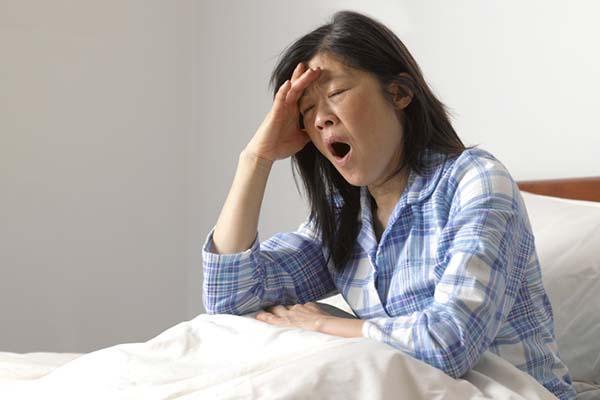
Sleep apnea symptoms in women: Why they may be overlooked
Women are less likely than men to experience loud snoring or pauses in breathing witnessed by a bed partner, two classic symptoms of obstructive sleep apnea, a condition that occurs when throat muscles relax during sleep, partially or completely blocking the airway.

How can caregiving affect your health?
Caregiving can have physical and mental effects. Explore ways to cope and find support.
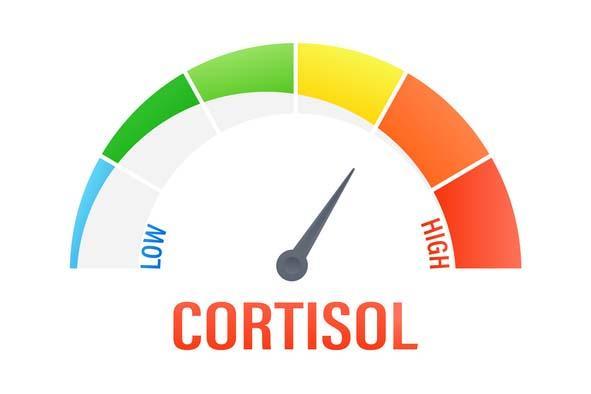
Do you really have high cortisol?
Social media influencers blame “high cortisol” for an array of problems, from stubborn belly fat to poor sleep. But true cortisol disorders are rare and most people have no evidence that abnormal cortisol levels are driving such problems.

Should you schedule your exercise based on your circadian rhythm?
A small, short-term 2026 study suggests that people who schedule their exercise to align with their chronotype—the body’s natural sleep and wake cycle—may lower their heart risk factors more than those who exercise at times that don’t align with their chronotype.
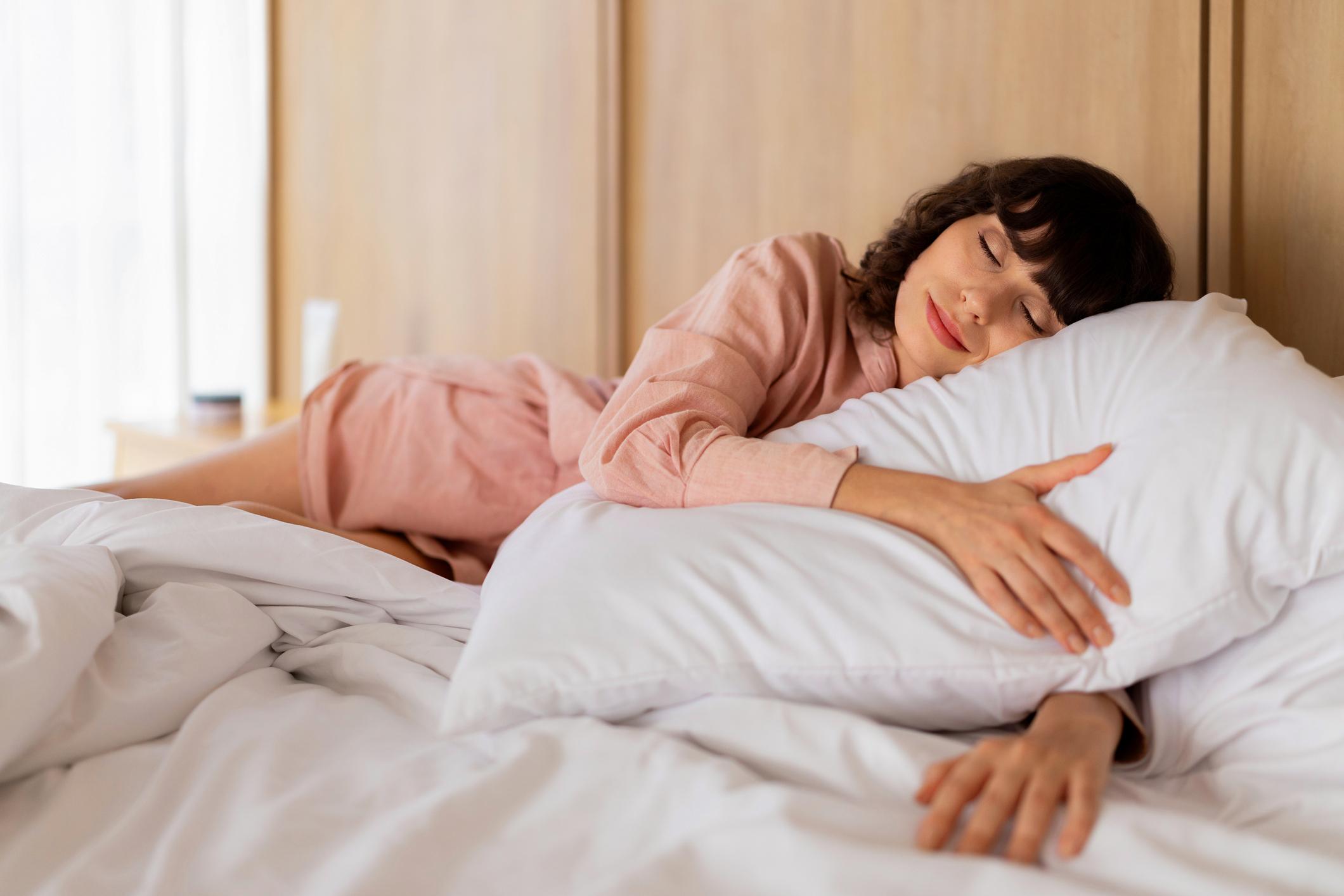
Video: Moving through the stages of sleep
Sleep comes in two different forms: REM (dreaming) and non‑REM (quiet) sleep. In quiet sleep, your brain shifts from chaotic awake activity into calm, rhythmic waves as if a switch has been flipped. In a healthy night, you glide through three deepening stages of non‑REM (N1, N2, N3 slow‑wave sleep) before diving into vivid REM dreams.
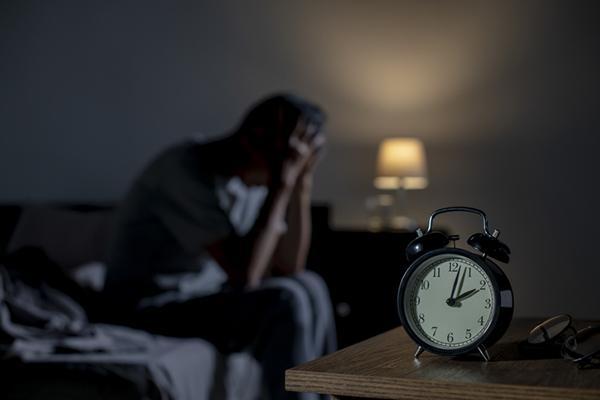
Insufficient sleep linked to higher risk of atrial fibrillation
Insomnia is linked to an increased risk of atrial fibrillation (afib), a heart rhythm disorder, according to a 2026 study. Insufficient sleep may trigger physiological and hormonal changes that may leave people more susceptible to afib.
Quiz: How healthy are your sleep habits?
Do you wake up tired, struggle to fall asleep, or rely on caffeine to get through the day? Your daily habits may be playing a bigger role in your sleep quality than you realize. This quick quiz will help you evaluate your sleep hygiene from your bedtime routine and screen use to exercise, stress, and sleep environment.
Could changing my diet ease restless legs syndrome?
Links between restless legs and iron, caffeine, and alcohol are emerging. See which dietary tweaks might be worth trying.
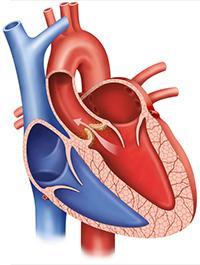
Heart-healthy habits over time linked to a lower risk of aortic stenosis
People who maintain or improve their heart-related risks over time are less likely to develop calcification of the aortic valve, which may lead to aortic stenosis.
People who walk more or walk faster live longer, study finds
For sleep apnea, a dental device may be as effective as CPAP
Rosacea treatments: What works?
Carb cycling: What is it, and does it work?
Understanding orthorexia: Have your healthy eating goals gone too far?
Melatonin or magnesium: Can either supplement help you sleep?
Salmonella, E. coli, Cyclospora, and other germs that cause food poisoning: What you need to know
Naturally gluten-free foods
Harvard study: Healthier fats linked to longer life after prostate cancer diagnosis
Shingrix shingles vaccine linked with lower heart disease risks
Free Healthbeat Signup
Get the latest in health news delivered to your inbox!
Sign Up
