

CoQ10: Should you take this popular supplement if you're on a statin?

Oat vs. dairy milk: Nutrition, benefits, and downsides

Microplastics: A hidden health threat?

Healing after food poisoning

What is tempeh? Benefits, nutrition, and how to use it

Light exposure at night may raise risk for heart disease

Whole grains may improve several heart risk factors at once

A lumbar belt may help ease low back pain

Children of centenarians may stay healthier and live longer too, study finds

Signs of pneumonia: Sometimes vague and unexpected
Safety/injury prevention Archive
Articles


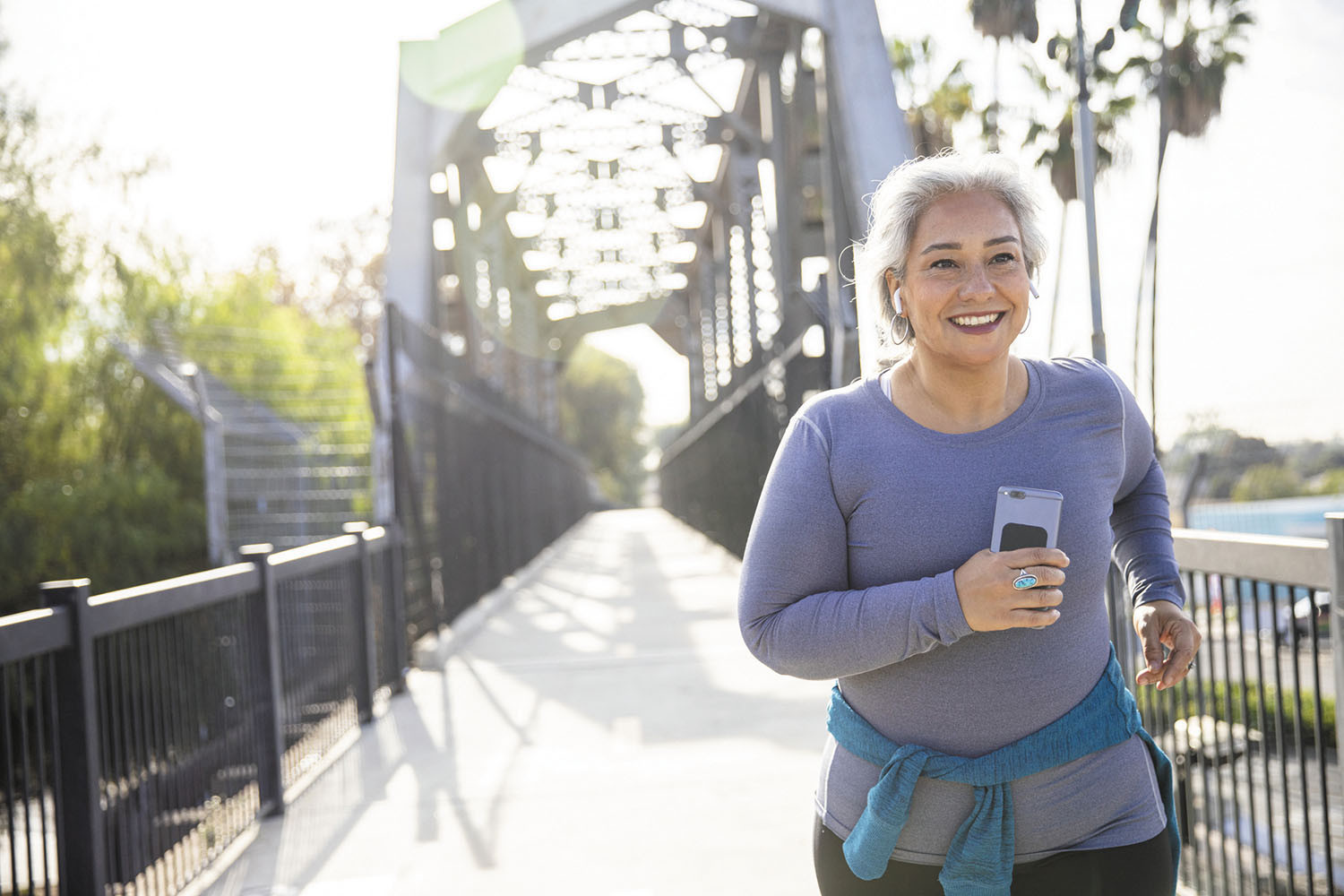
Exercise may counteract inherited risk for diabetes
Getting regular exercise can help fend off diabetes, even in people with a genetic propensity for the disease, according to a 2023 study.

Weekly aerobic exercise may help reduce flu and pneumonia deaths
A 2023 study found that people who met guidelines for engaged weekly aerobic activity had a lower risk of dying from pneumonia or influenza than those who did no activity.

Try this: All aboard for paddleboarding
Paddleboarding is a popular water sport in which people stand or kneel on a "surfboard" and use a long paddle. It's a great stress buster, and it can help improve balance and strengthen key muscles, like those in the core, back, arms, and shoulders.

How to avoid this common pickleball injury
Pickleball elbow is a type of tendinitis called lateral epicondylitis. The injury can result from gripping a pickleball paddle tightly for long periods or repeatedly twisting and turning the wrist while preparing to hit the ball. To avoid pickleball elbow, doctors recommend that players improve their muscle strength, use a paddle with the right grip size, build time on the court gradually, warm up their muscles before playing, stretch muscles afterward, ice their elbows after playing, and get guidance to hone their pickleball technique.

Exercise tied to reduced risks of dying from flu or pneumonia
A 2023 study of more than 577,000 people found that people who said they met the guidelines for weekly physical activity had a 48% lower risk of dying from flu or pneumonia over a nine-year period, compared with people who said they didn't meet the guidelines.

Skin in the game: Common skin problems and solutions for men
Dry skin and athlete's foot affect many men. There are several treatment options for both conditions, and steps you can take to prevent them from occurring or returning.

Quick fixes to keep you from falling
About half of all falls take place in the home. To prevent them, it helps to eliminate fall hazards in every room of the home, such as floor clutter and throw rugs.

Study finds dog walking injuries are increasing
A 2023 study noted a sharp rise in injuries (from 2001 to 2020) among people who walked dogs on leashes. Dog walkers most commonly suffered broken fingers, shoulder sprains, and traumatic brain injuries.
CoQ10: Should you take this popular supplement if you're on a statin?
Oat vs. dairy milk: Nutrition, benefits, and downsides
Microplastics: A hidden health threat?
Healing after food poisoning
What is tempeh? Benefits, nutrition, and how to use it
Light exposure at night may raise risk for heart disease
Whole grains may improve several heart risk factors at once
A lumbar belt may help ease low back pain
Children of centenarians may stay healthier and live longer too, study finds
Signs of pneumonia: Sometimes vague and unexpected
Free Healthbeat Signup
Get the latest in health news delivered to your inbox!
Sign Up
