

CoQ10: Should you take this popular supplement if you're on a statin?

Oat vs. dairy milk: Nutrition, benefits, and downsides

Microplastics: A hidden health threat?

Healing after food poisoning

What is tempeh? Benefits, nutrition, and how to use it

Light exposure at night may raise risk for heart disease

Whole grains may improve several heart risk factors at once

A lumbar belt may help ease low back pain

Children of centenarians may stay healthier and live longer too, study finds

Signs of pneumonia: Sometimes vague and unexpected
Prostatitis Archive
Articles

Sexual feelings
Feelings of sexual desire change for both men and women as they age. Sometimes the desire is more robust for only one partner, or desires fluctuate so much that partners are rarely in sync. Talking about these changes and exploring different ways to approach this new phase of sex can help both partners find mutual enjoyment.
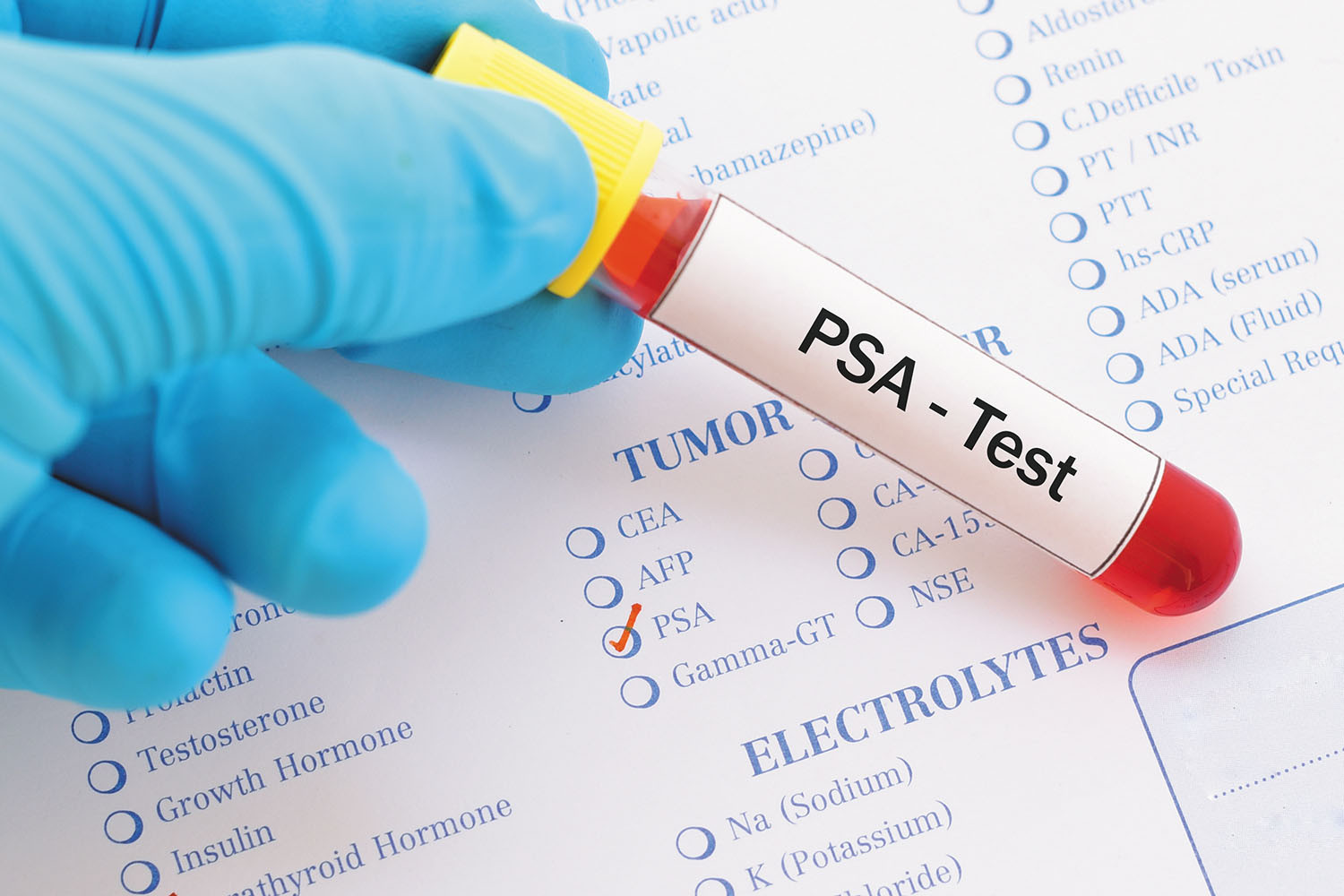
Older men continue to have excessive PSA testing
Guidelines recommend against routine prostate-specific antigen (PSA) testing in men ages 70 and older. Still, two 2023 studies found that men in this age group are having too many PSA tests.

Young men with prostate cancer: Socioeconomic factors affect lifespan
Prostate cancer is generally viewed as a disease of older men, yet about 10% of new diagnoses occur in men age 55 or younger. Biological differences partially explain the discrepancy, but socioeconomic factors also play an important role.

Do you need testosterone therapy?
Advertisements and celebrity endorsements claim that by raising testosterone levels with testosterone replacement therapy (TRT), men can boost their sex drive and feel more robust. While TRT can help improve some physical, sexual, and mental health symptoms associated with low testosterone levels, it may not work for everyone, and despite the miracle claims, TRT cannot make older men feel 30 years younger.

Talking with your doctor about ED
Many men are hesitant to talk with their doctor about erectile dysfunction (ED) or other sexual problems because they view these as purely a sex-related. But in many cases, ED is related to another issue like cardiovascular health, high blood pressure, mental health, or low testosterone. Once men understand that talking about their ED involves exploring other aspects of their health and is part of regular maintenance health care, it's easier for them to open up.

Erectile dysfunction drugs linked to lower risk of heart problems
Otherwise healthy men treated with prescription drugs used to treat erectile dysfunction had a lower risk of heart attacks, strokes, or death from heart-related causes.

How does waiting on prostate cancer treatment affect survival?
Men who are diagnosed with certain types of prostate cancer often choose active surveillance, which allows them to delay the need for aggressive treatment. The results of a long-term study affirm that this approach is a valid option for managing the disease.

Prostate cancer in transgender women
The increasing size and visibility of the transgender population has implications for public health. Hormone treatment given to transgender women lowers the overall risk of prostate cancer, but the risk of a trans woman developing the disease is not zero.
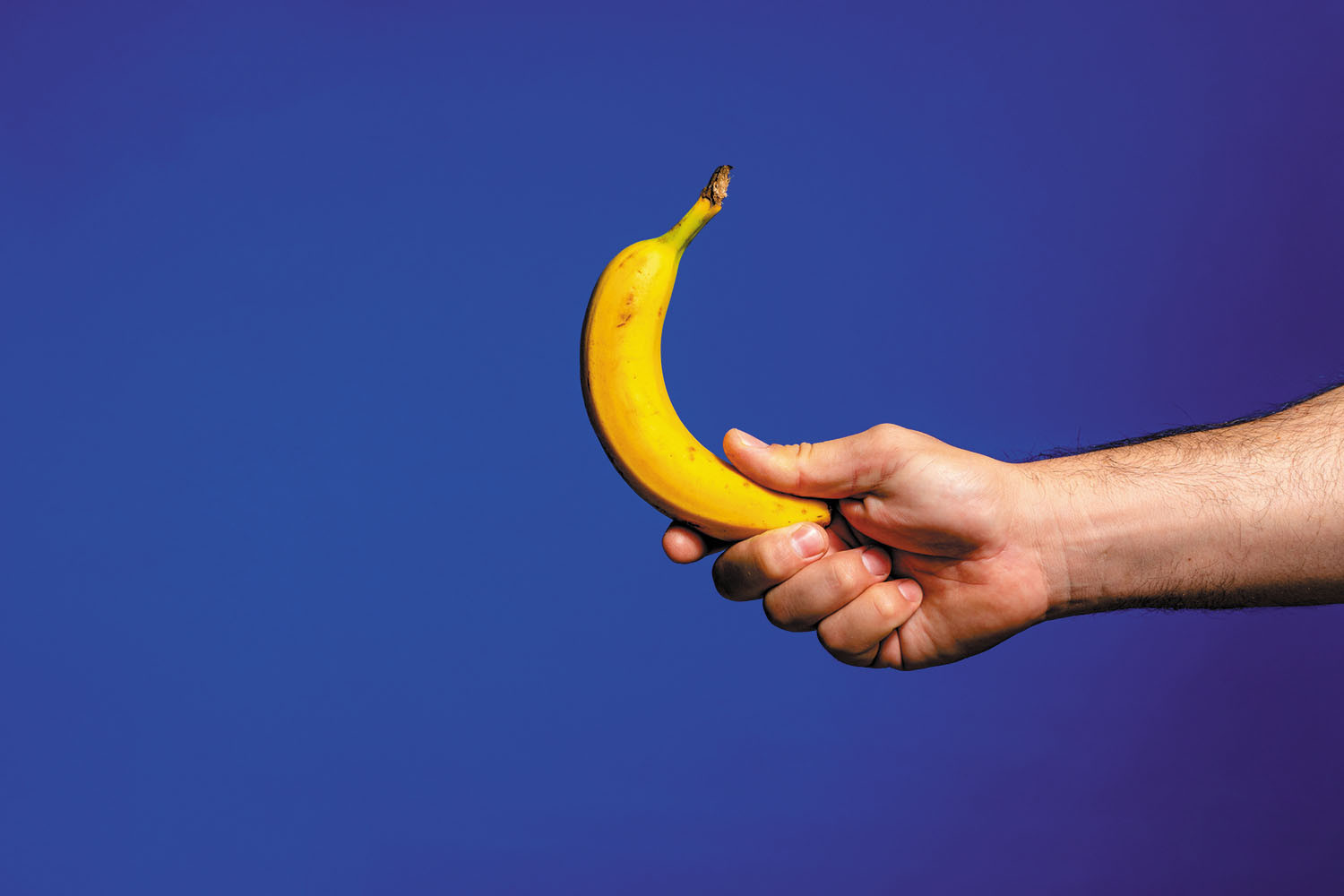
Straight talk about Peyronie's disease
Peyronie's disease, a condition marked by extreme curvature of the penis, affects about 3% to 10% of men, usually between the ages of 45 and 60, but also can occur in men older than 60. There is no cure for Peyronie's, and the condition often does not improve on its own, but in mild cases men can maintain a regular sex life. If the curvature is severe, making erections or intercourse painful, treatment may help. Options include traction therapy, drug injections, and surgery.

A new calculation tool may help predict men's prostate cancer risk
A new calculation tool that focuses on family history and specific genetic variants may help identify men at high risk for prostate cancer and help determine who would benefit most from routine screening.
CoQ10: Should you take this popular supplement if you're on a statin?
Oat vs. dairy milk: Nutrition, benefits, and downsides
Microplastics: A hidden health threat?
Healing after food poisoning
What is tempeh? Benefits, nutrition, and how to use it
Light exposure at night may raise risk for heart disease
Whole grains may improve several heart risk factors at once
A lumbar belt may help ease low back pain
Children of centenarians may stay healthier and live longer too, study finds
Signs of pneumonia: Sometimes vague and unexpected
Free Healthbeat Signup
Get the latest in health news delivered to your inbox!
Sign Up
