

Naturally gluten-free foods

Harvard study: Healthier fats linked to longer life after prostate cancer diagnosis

Shingrix shingles vaccine linked with lower heart disease risks

Estrogen-only hormone therapy tied to lower dementia risk

Should you have a hysterectomy?

Stair climbing may significantly lower cardiovascular risks

Why do I sweat so much?

Walking pneumonia: The "mild" illness that can still pack a punch

What causes knee pain: How doctors make a diagnosis

Where you carry excess weight matters in predicting heart disease risk
Plant-based eating Archive
Articles
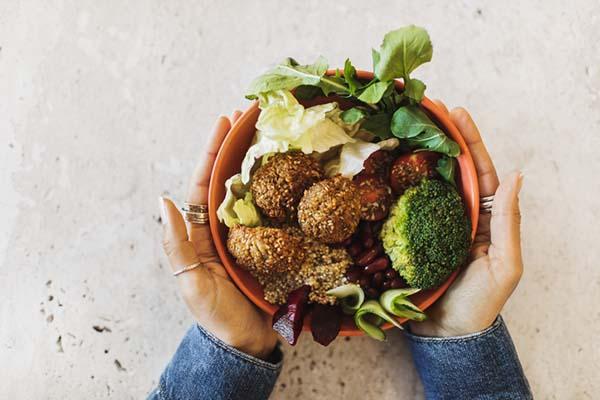
Naturally gluten-free foods
While gluten-free packaged foods offer convenience, whole foods like fruits, vegetables, proteins, dairy, and naturally gluten-free grains often provide better nutrition at lower cost. Building meals around these staples, rather than relying solely on specialty products, makes gluten-free eating easier to sustain.
Nitrates in food and medicine: What's the story?
Nitrates are found in both leafy greens and processed meats. But it’s unclear how much these molecules matter compared with other components of those foods, as dietary nitrate levels have no proven link to heart disease risk.
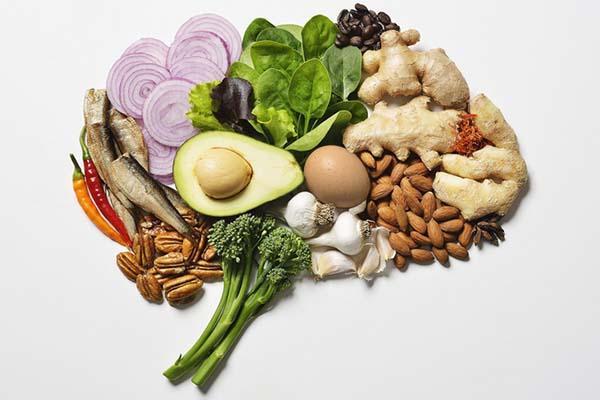
MIND diet: Eating for better brain health
The MIND diet combines Mediterranean and DASH diet principles with an added emphasis on brain-healthy foods like leafy greens, whole grains, and fish. Linked in some studies with slower cognitive decline and lower dementia risk, it’s a flexible eating pattern with benefits at any age.
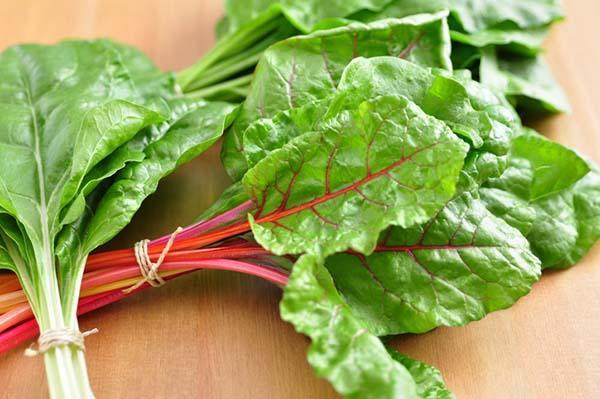
Oxalates, lectins, and phytates: Do these plant compounds sabotage your health?
“Anti-nutrients” like oxalates, lectins, and phytates are found in leafy greens, beans, and grains. They can slightly reduce absorption of some minerals, but aren’t reasons for most people to avoid these healthy foods. Food preparation and meal planning can help minimize such effects.

What to eat on the DASH diet
The DASH plan is one of the world’s leading heart-healthy diets. While it limits salt, sugar, saturated fat, and alcohol, it doesn’t have to be bland. With some flavor creativity and changes in shopping and meal planning, it can soon become second nature.

What can cause enlarged red blood cells?
Enlarged red blood cells on a routine blood test can have several explanations. Find out what your results may mean and when follow-up is needed.

Can ingesting or being exposed to aluminum pose health risks?
Aluminum is common in foods, cookware, and personal-care products, but questions remain about how much exposure or ingestion matters.
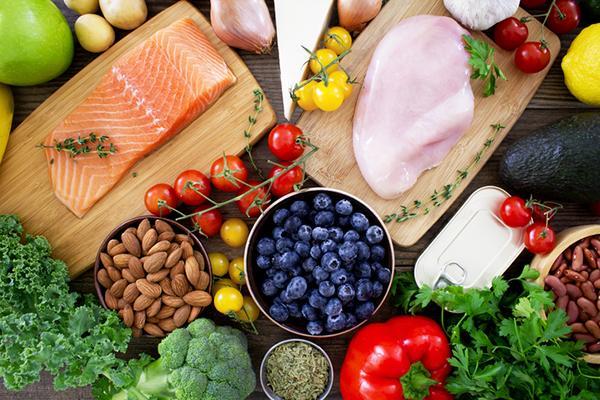
Anti-inflammatory diet: Foods that help reduce chronic inflammation
An anti-inflammatory diet may help rein in chronic inflammation. The eating plan is rich in vegetables, fruit, healthy oils, nuts and seeds, and other foods with anti-inflammatory benefits. What’s not included: refined carbohydrates, red and processed meats, deep-fried foods, and other inflammation-promoting foods.
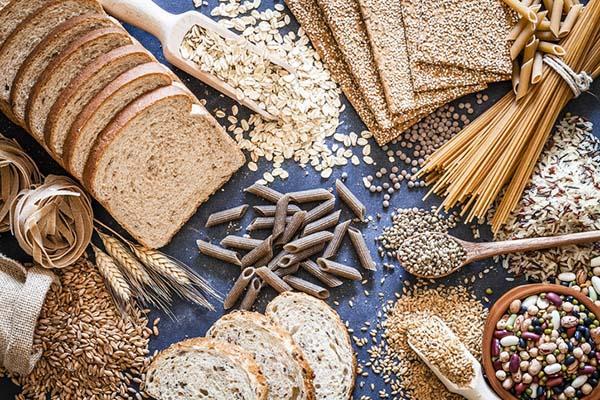
Are you eating too much fiber?
Most Americans need more fiber, but going well beyond recommended amounts offers no proven added benefit and can cause uncomfortable side effects. Instead, boost fiber slowly and spread it out over the day, favor whole foods over supplements, and drink plenty of fluids.

Harvard study: Early sweet-drink habits tied to high blood pressure later in life
A major study linked high intake of sugary drinks like soda, fruit juices, and sports drinks during teen years and early adulthood with an increased risk of developing high blood pressure in middle age. Replacing sweet drinks with water, milk, or whole fruit may help offset some of those risks.
Naturally gluten-free foods
Harvard study: Healthier fats linked to longer life after prostate cancer diagnosis
Shingrix shingles vaccine linked with lower heart disease risks
Estrogen-only hormone therapy tied to lower dementia risk
Should you have a hysterectomy?
Stair climbing may significantly lower cardiovascular risks
Why do I sweat so much?
Walking pneumonia: The "mild" illness that can still pack a punch
What causes knee pain: How doctors make a diagnosis
Where you carry excess weight matters in predicting heart disease risk
Free Healthbeat Signup
Get the latest in health news delivered to your inbox!
Sign Up
