

Fatty liver disease: Should you be tested?

Even a little exercise linked with lower stroke risk in people with afib

Testosterone therapy without evidence of deficiency may boost heart risk

Weight-loss drug may lower risk of heart attacks and infections

Migraine: How it's diagnosed and what that means

Tricep workouts you can do at home

Mindfulness practices to reduce stress and improve focus

Antihistamines may not offer meaningful relief from eczema symptoms

Overweight and taking blood pressure medications: Study finds it's a trend that's working

FDA approves first mRNA-based flu vaccine
Pediatric health Archive
Articles
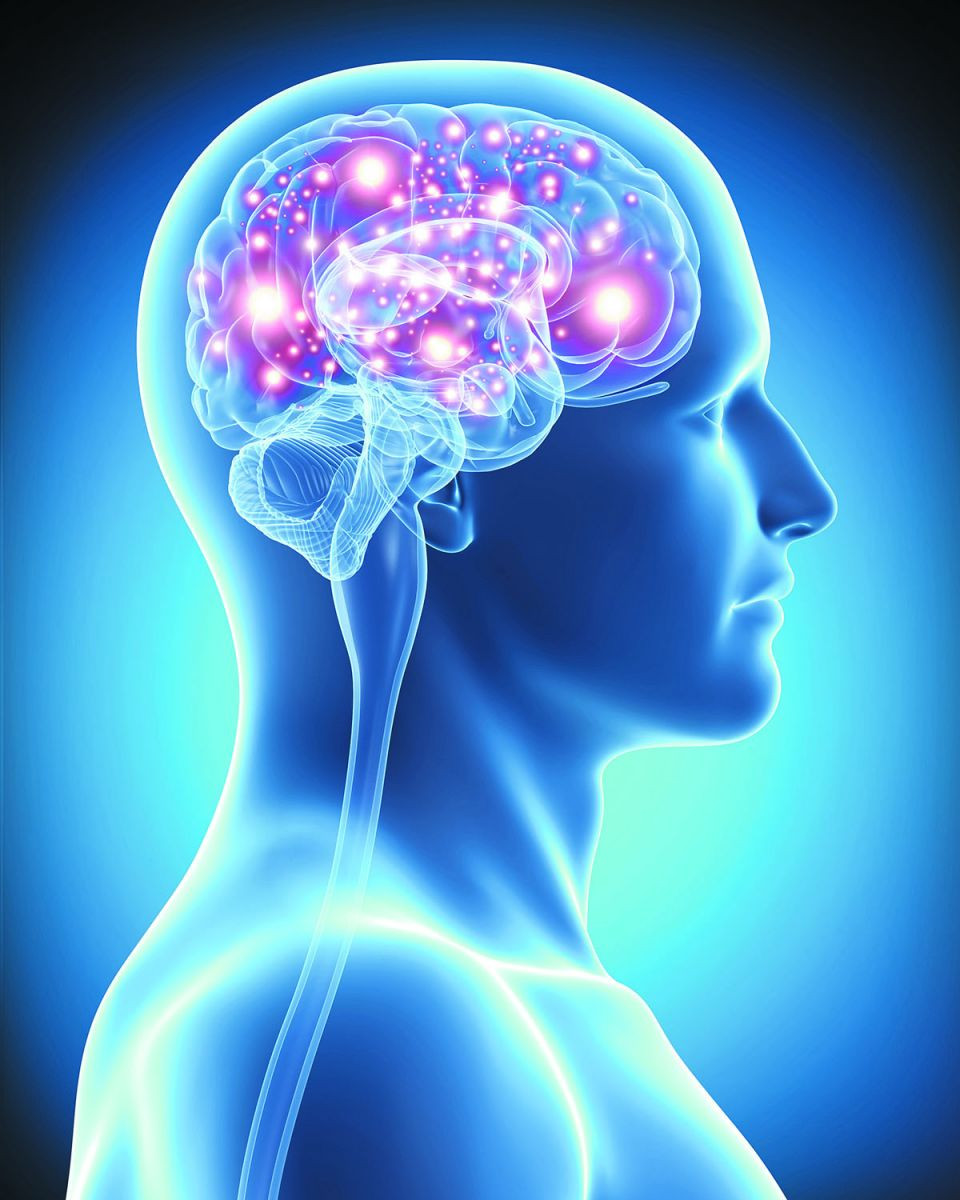
Looking for early signs of Alzheimer’s
By the time memory loss shows up, the disease is well under way. Researchers are finding ways that may reveal brain changes sooner.
For a long time, memory loss was seen as the telltale sign of Alzheimer's disease. While this is certainly the most common symptom, it may not be the best way to identify the disease in its early stages.
"A major problem of Alzheimer's diagnosis, and ultimately effective treatment, is that by the time the first clinical symptoms appear, irreversible damage to the brain has already occurred," says Dr. Seth Gale, a neurologist with Harvard-affiliated Brigham and Women's Hospital. "It is now believed that Alzheimer's-related changes begin in the brain at least a decade before any symptoms emerge."

7 questions to ask when you’re given a prescription for an opioid
A discussion with your doctor may minimize your chance of becoming dependent on or addicted to these powerful painkillers.
Opioid misuse is now one of most important health problems in the United States, rivaling smoking as a cause of death. Although news reports tend to focus on an opioid crisis among the young, the opioid epidemic is increasingly affecting older people as well. In fact, the rates of hospitalization for opioid overdoses among Medicare recipients quintupled from 1993 through 2012. Although older people are still less likely than younger ones to become addicted or succumb to opioid overdoses, they are more likely to suffer side effects from extended opioid use, including memory and cognition problems and falls.
"Opioid use and pain management is something we deal with constantly," says Dr. Michael L. Barnett, assistant professor of health policy at the Harvard T.H. Chan School of Public Health. According to a report from the U.S. Department of Health and Human Services, nearly one-third of Medicare beneficiaries received at least one prescription for opioids in 2015, and those who did got an average of five such prescriptions or refills. Dr. Barnett and a team of his colleagues decided to investigate how Medicare recipients get opioid prescriptions in the first place.

New recommendation: No fruit juice for children under a year
Giving fruit juice to babies under a year old can contribute to obesity and cavities. Eating the fruit rather than just drinking the juice is better for overall health. The American Academy of Pediatrics has revised its recommendation for giving juice to babies, and now says parents should wait until a child reaches a year.

Don’t let the screens take over: 8 tips for families
It’s a good idea for parents to monitor, and limit, their children’s overall daily screen time. Here’s some advice for parents on how to manage this challenge effectively, with each child’s healthy and balanced development in mind.

5 things to tell your child about 13 Reasons Why
A new series on Netflix about a teen’s suicide has raised concerns that it may encourage similar real-world behavior, but the show presents an opportunity for parents to talk with their children about mental health challenges and how to cope with their problems.
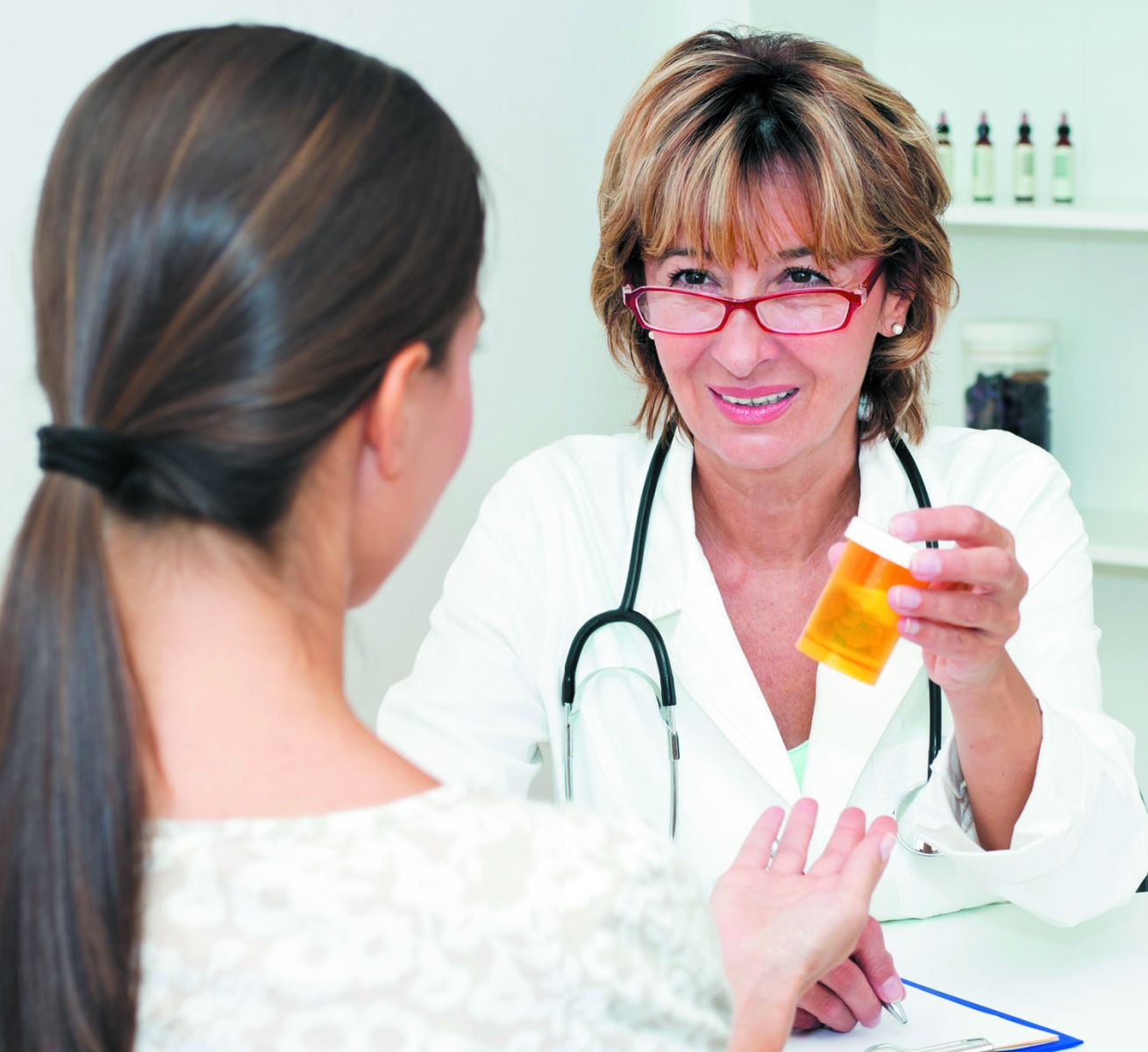
How the placebo effect may help you
There is growing evidence that the placebo effect is at work in most successful medical therapies.
Image: © BakiBG/Thinkstock
When you were a child, your mother or grandmother might have used a home remedy that made you feel better, especially when it was delivered with a soothing hand on the forehead or a kiss on the cheek. Perhaps she assured you that a cup of warm milk would help you fall asleep, and you found that it did.
Unbeknownst to you — or her — she was probably harnessing the placebo effect, loosely defined as a favorable response to a medical intervention that doesn't have a direct physiological effect. Although you may have learned later in life that there isn't much scientific evidence to support the practice, you may still sleep better after a cup of warm milk at bedtime.
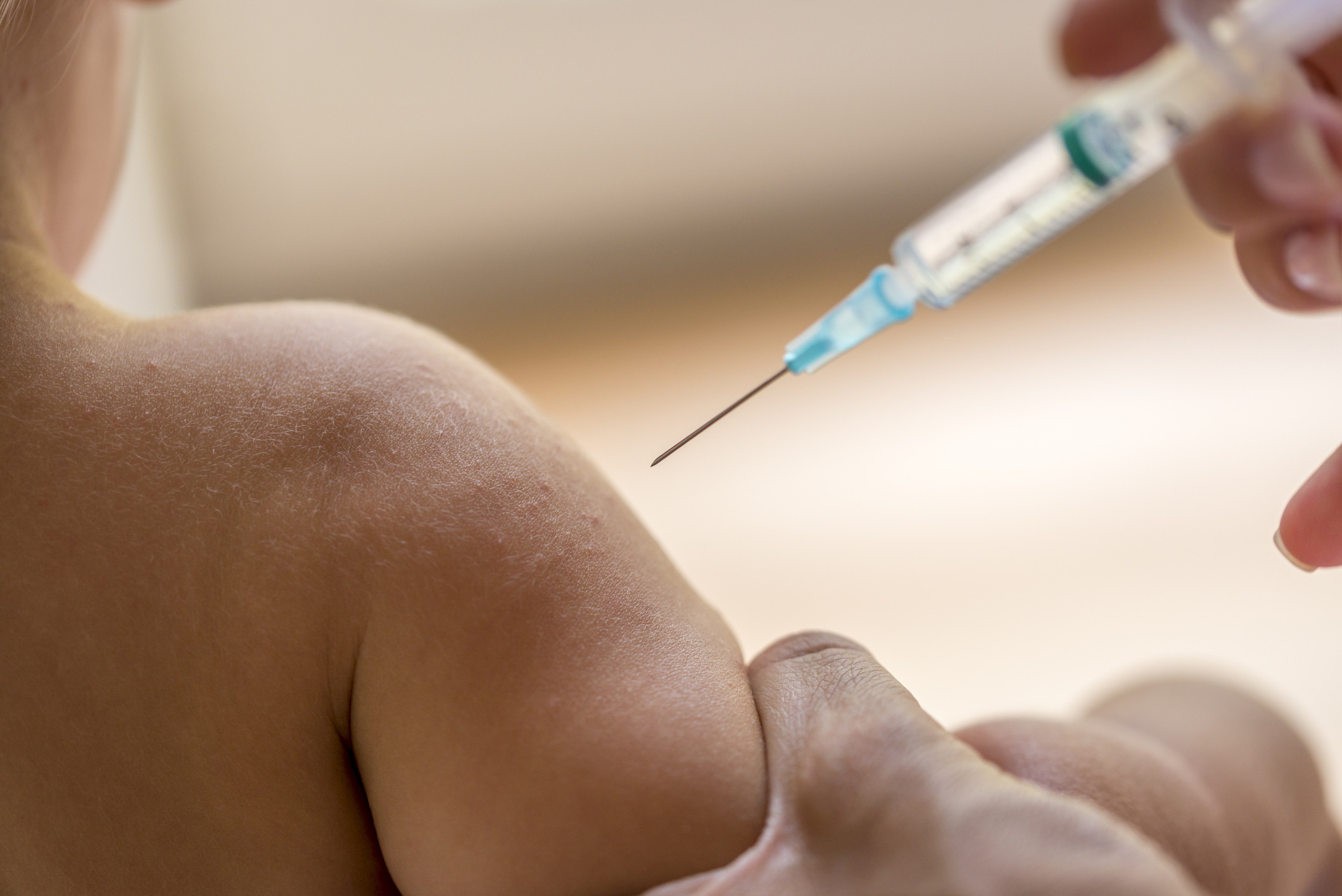
Why vaccines are important for our country’s financial health, too
Vaccinating babies and toddlers prevents many illnesses, but it also helps the avoid high costs associated with treating those illnesses, helps reduce sick time taken by parents, and contributes to greater immunity in a population.

The problem with tanning (and the myth of the base tan)
The earlier one starts tanning, the longer the lifetime skin damage and the higher the skin cancer risk. As the number of people with skin cancer increases, it has become especially important to convey to teenagers the message that tanning is an unhealthy choice, whether it’s outdoors or in a tanning bed.
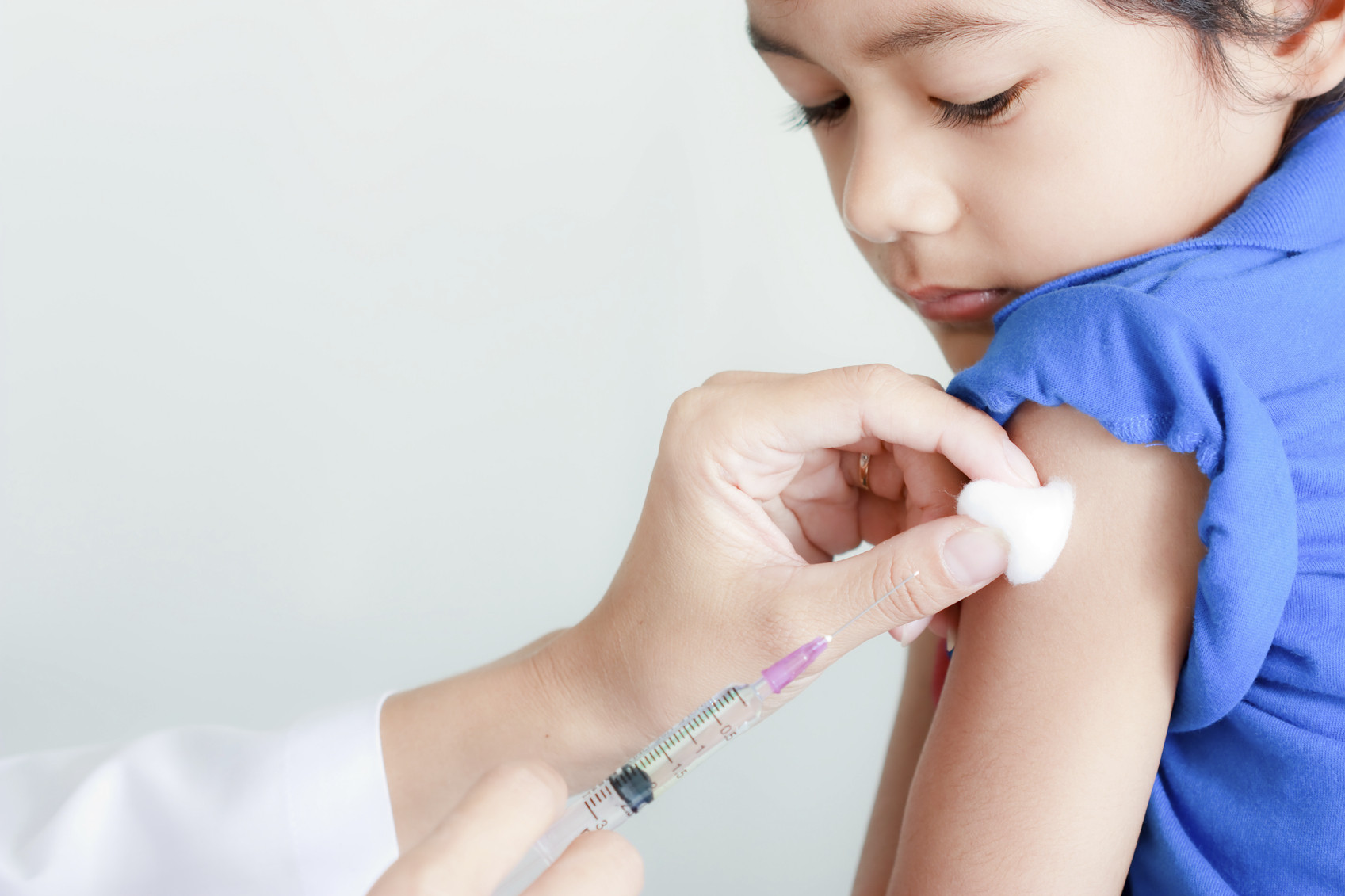
The flu shot saves children’s lives
Even though this year’s flu season is just about over, parents should be thinking about protecting their children next winter. Despite short-term reactions in some people, the flu shot is safe for nearly everyone.
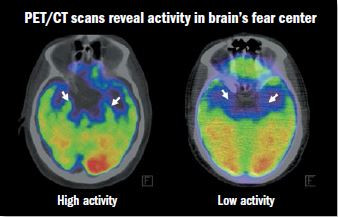
Uncovering the link between emotional stress and heart disease
The brain's fear center may trigger inflammation and lead to a heart attack. But stress reduction techniques can break the chain.
Image: © Cardiology Division, Massachusetts General Hospital
A small, almond-shaped area deep inside the brain called the amygdala is involved in processing intense emotions, such as anxiety, fear, and stress. Now, a new brain-imaging study reveals how heightened activity in the amygdala may trigger a series of events throughout the body that raises heart attack risk.
"This study identifies a mechanism that links stress, artery inflammation, and subsequent risk of a heart attack," says study leader Dr. Ahmed Tawakol, an associate professor of medicine at Harvard Medical School. Earlier animal studies have shown that stress activates bone marrow to make white blood cells. These infection-fighting cells trigger inflammation, a process that encourages the buildup of fatty plaque inside artery walls. "But what we didn't know was, does this happen in humans? And what is the role of the brain?" he says.
Fatty liver disease: Should you be tested?
Even a little exercise linked with lower stroke risk in people with afib
Testosterone therapy without evidence of deficiency may boost heart risk
Weight-loss drug may lower risk of heart attacks and infections
Migraine: How it's diagnosed and what that means
Tricep workouts you can do at home
Mindfulness practices to reduce stress and improve focus
Antihistamines may not offer meaningful relief from eczema symptoms
Overweight and taking blood pressure medications: Study finds it's a trend that's working
FDA approves first mRNA-based flu vaccine
Free Healthbeat Signup
Get the latest in health news delivered to your inbox!
Sign Up
