

Fatty liver disease: Should you be tested?

Even a little exercise linked with lower stroke risk in people with afib

Testosterone therapy without evidence of deficiency may boost heart risk

Weight-loss drug may lower risk of heart attacks and infections

Migraine: How it's diagnosed and what that means

Tricep workouts you can do at home

Mindfulness practices to reduce stress and improve focus

Antihistamines may not offer meaningful relief from eczema symptoms

Overweight and taking blood pressure medications: Study finds it's a trend that's working

FDA approves first mRNA-based flu vaccine
Pediatric health Archive
Articles

Tired of being fatigued
Don't accept regular fatigue as part of aging.
Image: © seb_ra/Thinkstock
Weariness, tiredness, lack of energy. There are many ways to describe those times when you are so fatigued you can't do anything. Often you bounce back after a quick rest or a good night's sleep, but if fatigue is occurring more often and lasting longer, it could be a sign of something more serious.
"Men may chalk up fatigue to aging, but there is no reason you should battle ongoing fatigue," says Dr. Suzanne Salamon, a geriatric physician with Harvard-affiliated Beth Israel Deaconess Medical Center. "Everyone gets tired sometimes, and your endurance may decline with age — you may not move as fast and sometimes tire quicker — but you should never be too fatigued to enjoy an active lifestyle."

Teen drug use is down: Better parenting, or more smartphones?
Data from an annual survey show that use of illicit drugs among teenagers is in decline, and has been for some time. It’s possible that this can be partially attributed to the popularity of smartphones.

Depression and pain
Hurting bodies and suffering minds often require the same treatment.
Pain, especially chronic pain, is an emotional condition as well as a physical sensation. It is a complex experience that affects thought, mood, and behavior and can lead to isolation, immobility, and drug dependence.
In those ways, it resembles depression, and the relationship is intimate. Pain is depressing, and depression causes and intensifies pain. People with chronic pain have three times the average risk of developing psychiatric symptoms — usually mood or anxiety disorders — and depressed patients have three times the average risk of developing chronic pain.

American Academy of Pediatrics urges care and compassion for immigrant children
In response to the government’s changes in immigration policy, the American Academy of Pediatrics has released a statement expressing concerns about the treatment of immigrant children.

Parents: Call the doctor right away for these 4 symptoms
Most parents know when their child needs to be seen by a medical professional, but certain symptoms should be considered warning signs that require immediate attention. If your child perks up, or stops crying, or otherwise looks completely fine once you see a doctor, don’t feel silly. These symptoms terrify doctors, so it’s always better to be safe than very, very sorry.

Parents: As more states legalize marijuana, here’s what you need to know and do
As marijuana becomes legal or is decriminalized in more states, teens are less likely to view its use as risky, so parents need to talk with their children about safety, especially if they use it themselves.
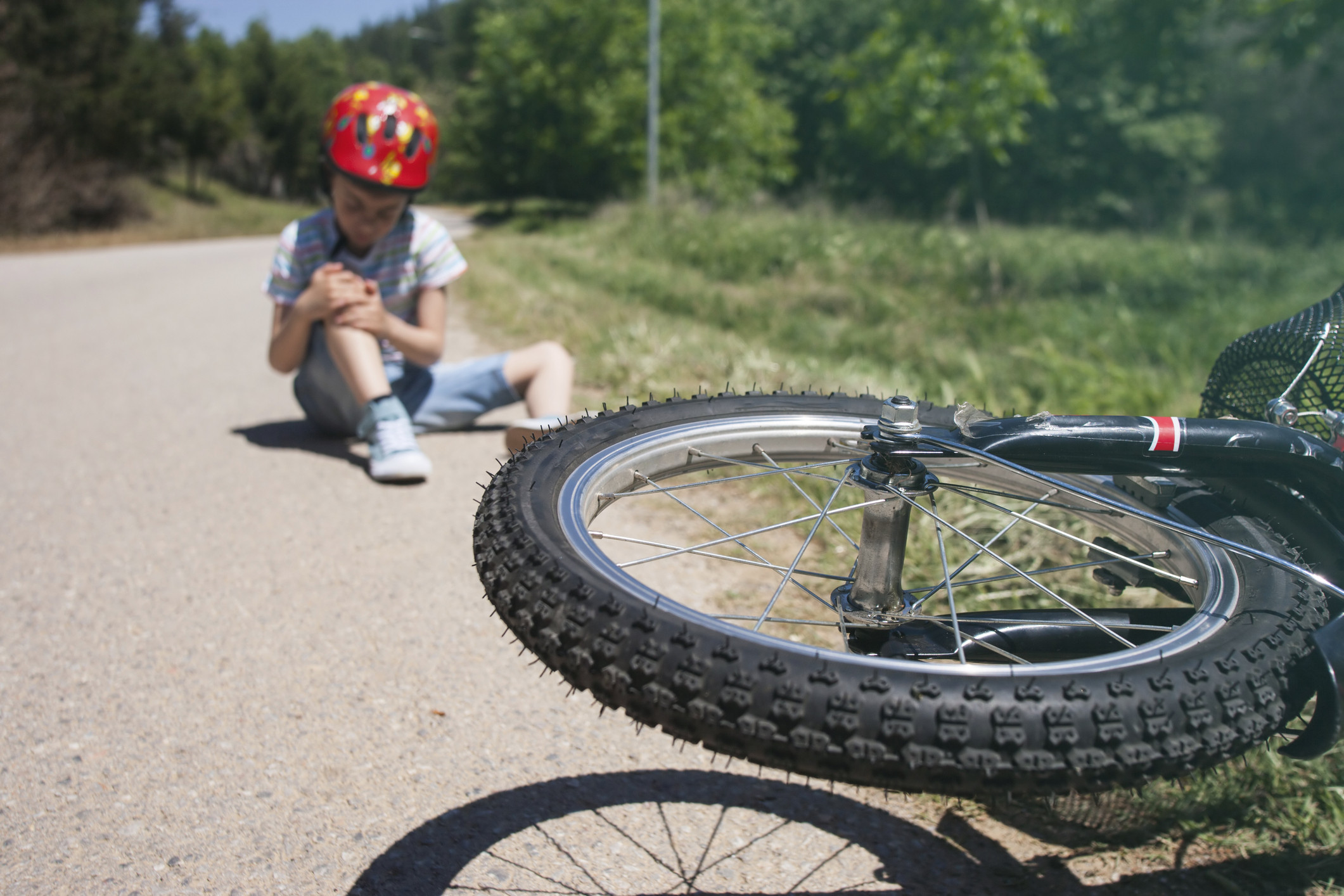
Parents: How to manage injuries at home—and when you need to go to the doctor
Children are usually active and, as they explore the world, don’t have the common sense and good judgment of most adults. So, it is very common for kids to experience minor injuries throughout childhood. Parents need to know when and how to handle injuries at home and when medical advice or attention is needed.

2017 update to the immunization schedule for kids
The CDC and the AAP update their vaccine recommendations every year, and here are the latest changes. These updates show just how important it is to stay on top of research and help increase the effectiveness of each vaccine. The schedule for routine immunizations and catching up kids who get behind can be found on the CDC and AAP websites if you’d like more information.

What you can learn from wellderlies
Some people live long lives with no disease or serious illness. What can they teach you about healthy living?
Image: Creatas | Thinkstock /Thinkstock
You won't live forever, but it may be possible to live a long and maybe disease-free life by following the lead of "wellderlies."
This is a term to describe a special group of people who have reached ages 90 to 100 without having any major health issue or disease. And if they do get sick, it often happens late in their life and a short period before death.

Look on the bright side and maybe even live longer
Studies suggest that adopting a sunnier outlook may improve your health and even extend your life.
Image: © lzf /Thinkstock
In these turbulent times, it's sometimes a struggle to maintain a glass-half-full view of life. But if you can, it may serve you well. A growing body of research links optimism—a sense that all will be well—to a lower risk for mental or physical health issues and to better odds of a longer life.
One of the largest such studies was led by researchers Dr. Kaitlin Hagan and Dr. Eric Kim at Harvard's T.H. Chan School of Public Health. Their team analyzed data from 70,000 women in the Nurses' Health Study who, in 2004, had answered questions about how they viewed their futures
Fatty liver disease: Should you be tested?
Even a little exercise linked with lower stroke risk in people with afib
Testosterone therapy without evidence of deficiency may boost heart risk
Weight-loss drug may lower risk of heart attacks and infections
Migraine: How it's diagnosed and what that means
Tricep workouts you can do at home
Mindfulness practices to reduce stress and improve focus
Antihistamines may not offer meaningful relief from eczema symptoms
Overweight and taking blood pressure medications: Study finds it's a trend that's working
FDA approves first mRNA-based flu vaccine
Free Healthbeat Signup
Get the latest in health news delivered to your inbox!
Sign Up
