

Fatty liver disease: Should you be tested?

Even a little exercise linked with lower stroke risk in people with afib

Testosterone therapy without evidence of deficiency may boost heart risk

Weight-loss drug may lower risk of heart attacks and infections

Migraine: How it's diagnosed and what that means

Tricep workouts you can do at home

Mindfulness practices to reduce stress and improve focus

Antihistamines may not offer meaningful relief from eczema symptoms

Overweight and taking blood pressure medications: Study finds it's a trend that's working

FDA approves first mRNA-based flu vaccine
Pediatric health Archive
Articles

Emergencies and First Aid - Heimlich Maneuver on an Adult
Heimlich Maneuver on an Adult
| ||||

Emergencies and First Aid - Heimlich Maneuver on a Child
Heimlich Maneuver on a Child
| ||

Emergencies and First Aid - Heimlich Maneuver on an Infant
Heimlich Maneuver on an Infant
| ||||

Emergencies and First Aid - Bleeding
Bleeding
While a minor cut will eventually stop bleeding, a severe injury may require elevation and direct pressure on the wound. The goals of first-aid treatment are to control bleeding and prevent infection. If disposable surgical gloves are readily available, use them.
Direct Pressure for Bleeding and Pressure Points for Bleeding
Emergencies and First Aid - Birth of the Placenta
Birth of the Placenta
The placenta, which has provided the fetus with nourishment, is attached to the umbilical cord and is delivered about 20 minutes after the baby. Do not pull on the cord; delivery of the placenta occurs on its own. You can help by gently massaging the womans lower abdomen. The uterus will feel like a hard round mass.
Massaging the abdomen helps the uterus contract, which also helps stop bleeding. After the placenta is delivered, place it in a plastic bag to take with the woman and baby to the hospital. It is normal for more bleeding to occur after delivery of the placenta. Continue gently massaging the womans lower abdomen.

Emergencies and First Aid - Butterfly Bandage
Butterfly Bandage
| ||

Emergencies and First Aid - Direct Pressure to Stop Bleeding
Direct Pressure to Stop Bleeding
A wound that is deep, bleeding heavily, or has blood spurting from it (caused by bleeding from an artery), may not clot and may not stop bleeding.
Immediate care
Call out for someone to get help, or call 911 yourself. Elevate the wound and apply direct pressure.
Bad backs and backpacks
While going to and from school many kids these days look like they have the weight of the world on their shoulders. Although it might not be quite so heavy, some kids actually do carry around a lot of weight in their backpacks. These heavy loads place stress on the spine and shoulders of children, causing muscle strain and fatigue. For some kids the aches and pains are bad enough to seek medical attention. Too much weight can also lead to bad habits such as poor posture and excessive slouching.
Unfortunately, doing homework and being prepared in class means carrying books back and forth between school and home. You can help your child lighten the load by teaching him or her organizational skills. By using folders for individual subjects your child can bring home just the work he needs for the day as opposed to lugging everything home. At school, encourage your child to take frequent trips in between classes to his or her locker to replace books.
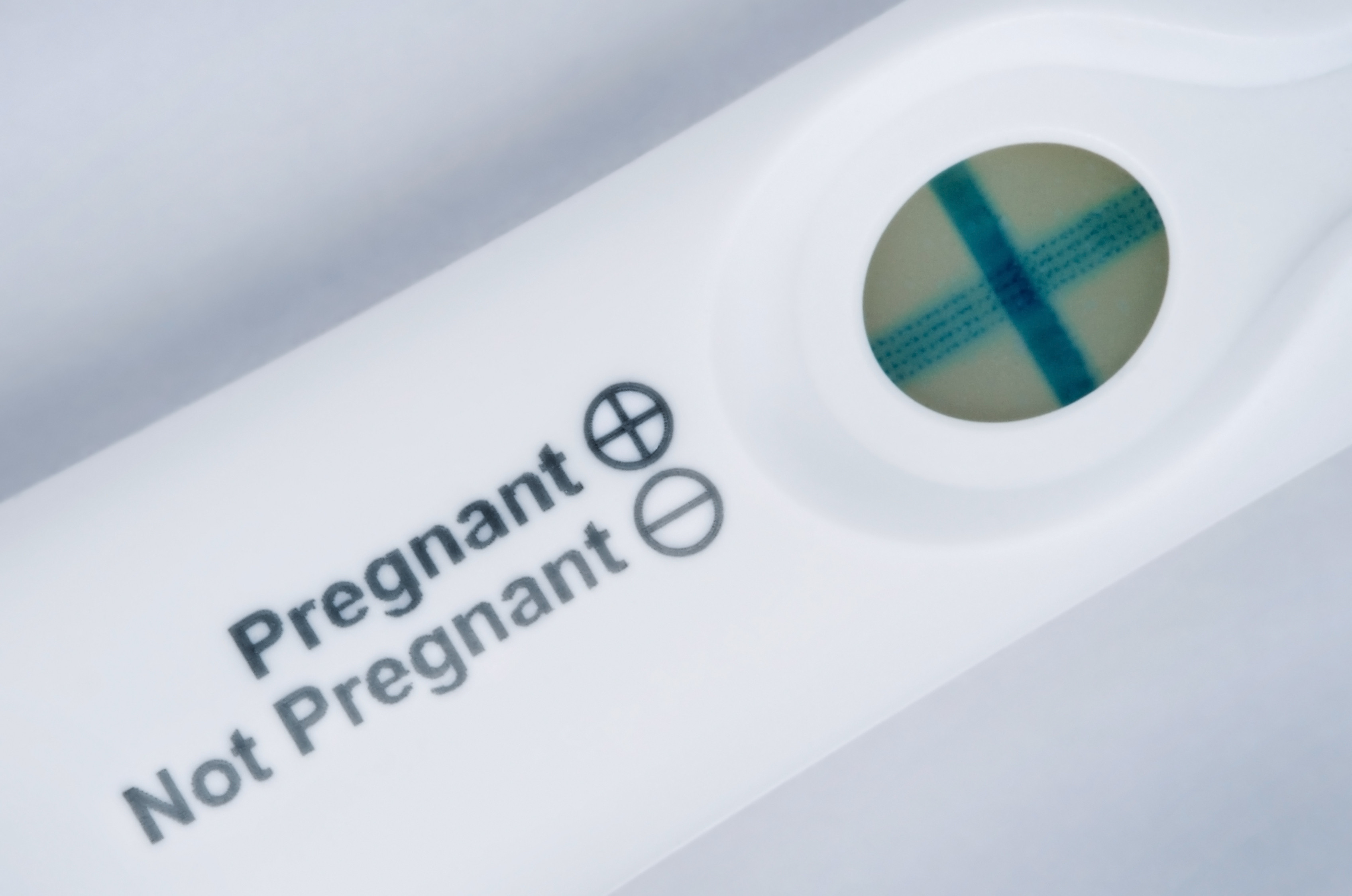
Why medical experts say that teens should be allowed to make the abortion decision without telling their parents
The belief that teens should have the right to an abortion without parental knowledge or consent is supported by a group of medical associations, and is based primarily on concerns about safety and the medical consequences of requiring that parents be informed.
Low-tar cigarettes are not a safer choice
Studies show smoking high-tar unfiltered cigarettes, as opposed to medium-tar filtered cigarettes, greatly increases your risk of lung cancer. So, cigarettes labeled as low-tar or ultra light are an even safer choice, right? Wrong. A study comparing the lung cancer risks of different types of cigarettes found this seemingly logical assumption is false.
The study six years and involved over 900,000 Americans over the age of 30. The researchers compared the risk of death from lung cancer among men and women who were smokers, former smokers, or had never smoked. When analyzed according to the tar rating of cigarette smoked, the results of the study showed the risk of lung cancer death was greatest for smokers of high-tar unfiltered cigarettes. The risk of lung cancer death was no different among smokers of medium-, low-, and very low-tar cigarettes.
Fatty liver disease: Should you be tested?
Even a little exercise linked with lower stroke risk in people with afib
Testosterone therapy without evidence of deficiency may boost heart risk
Weight-loss drug may lower risk of heart attacks and infections
Migraine: How it's diagnosed and what that means
Tricep workouts you can do at home
Mindfulness practices to reduce stress and improve focus
Antihistamines may not offer meaningful relief from eczema symptoms
Overweight and taking blood pressure medications: Study finds it's a trend that's working
FDA approves first mRNA-based flu vaccine
Free Healthbeat Signup
Get the latest in health news delivered to your inbox!
Sign Up
