

Healing after food poisoning

What is tempeh? Benefits, nutrition, and how to use it

Light exposure at night may raise risk for heart disease

Whole grains may improve several heart risk factors at once

A lumbar belt may help ease low back pain

Children of centenarians may stay healthier and live longer too, study finds

Signs of pneumonia: Sometimes vague and unexpected

The surprising link between ovarian cancer and the fallopian tubes

Using a vibration plate: What it can — and can't — do for your body

People who walk more or walk faster live longer, study finds
Pediatric health Archive
Articles


Concussion in children: What to know and do
Concussion is one of the most common injuries to the brain, affecting about two million children and teens every year. Understanding signs, symptoms, questions to ask, and how concussion care has changed in recent years can make a difference in identifying concussion and recovery.

Co-regulation: Helping children and teens navigate big emotions
Co-regulation is a process in which caregivers can help young people learn better ways to regulate their emotions during the inevitable upsets and challenges of life. But before a caregiver can help a child, they need to understand their own emotional skills and limitations.


Dog bites: How to prevent or treat them
More than 4.5 million dog bites occur in the US each year. Despite what you might expect, most of these are inflicted by a pet dog in a home. Learn more about how you can avoid injury, and what to do if you do get bitten.

How to recognize the signs of mental health issues
A 2023 study showed that about 50% of people will develop at least one mental disorder by age 75. Older adults are vulnerable to mental disorders because they are exposed to many life-changing and traumatic events like health issues, the death of loved ones, and physical limitations. Among men, the most common disorders were depression, phobias, and alcohol use disorder. Identifying the signs and symptoms of these disorders can help men seek appropriate medical treatment.

Two-dose shingles vaccine is still highly effective after four years
A 2024 study found that two doses of the recombinant zoster vaccine to prevent shingles remains highly effective after four years.

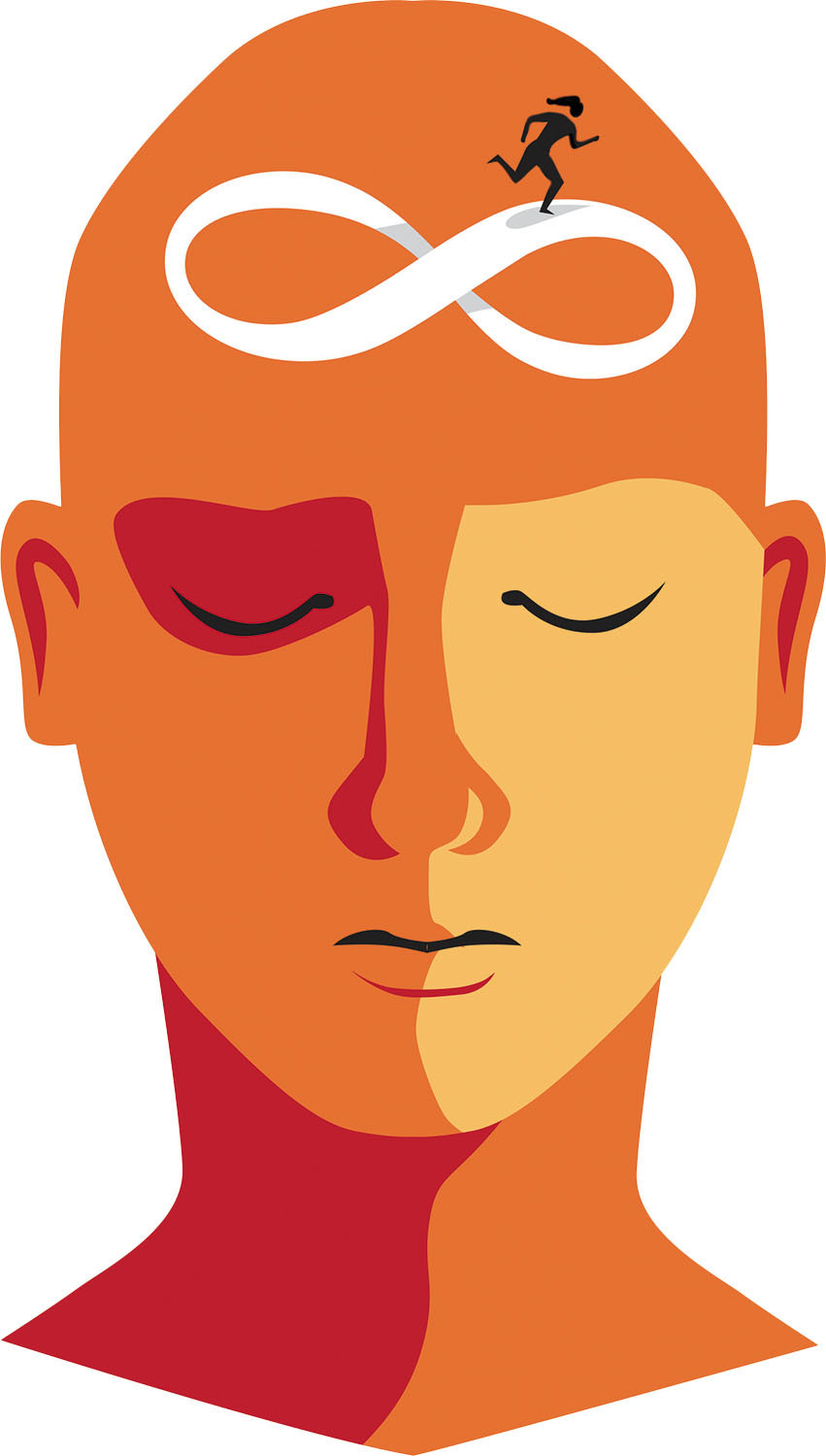
Managing intrusive thoughts
Intrusive thoughts are unwanted thoughts or mental images that make people feel uncomfortable. They're common, affecting some six million Americans and can be effectively managed using tools such as cognitive behavioral therapy. They can be associated with mental health disorders such as obsessive-compulsive disorder or post-traumatic stress disorder, but many people who experience them don't meet the criteria for a mental health disorder. The thoughts may be triggered by stress or anxiety.

Opill: Is this new birth control pill right for you?
The first over-the-counter daily birth control pill was approved by the FDA in 2023. How effective is it? What should you know about how to take it, which side effects may occur, and what to do if you miss a dose? Here are answers to these and other questions about this new nonprescription contraceptive.
Healing after food poisoning
What is tempeh? Benefits, nutrition, and how to use it
Light exposure at night may raise risk for heart disease
Whole grains may improve several heart risk factors at once
A lumbar belt may help ease low back pain
Children of centenarians may stay healthier and live longer too, study finds
Signs of pneumonia: Sometimes vague and unexpected
The surprising link between ovarian cancer and the fallopian tubes
Using a vibration plate: What it can — and can't — do for your body
People who walk more or walk faster live longer, study finds
Free Healthbeat Signup
Get the latest in health news delivered to your inbox!
Sign Up
