

CoQ10: Should you take this popular supplement if you're on a statin?

Oat vs. dairy milk: Nutrition, benefits, and downsides

Microplastics: A hidden health threat?

Healing after food poisoning

What is tempeh? Benefits, nutrition, and how to use it

Light exposure at night may raise risk for heart disease

Whole grains may improve several heart risk factors at once

A lumbar belt may help ease low back pain

Children of centenarians may stay healthier and live longer too, study finds

Signs of pneumonia: Sometimes vague and unexpected
Osteoporosis Archive
Articles

The most common exercise among people with arthritis
U.S. adults who report being physically active say their most frequent forms of exercise are walking, gardening, and weight lifting, according to a study published online Oct. 8, 2021, by the CDC's Morbidity and Mortality Weekly Report.

Two common shoulder injuries and how to avoid them
Two categories of shoulder injuries are particularly common among older adults: rotator cuff injuries and shoulder bone fractures. The key to warding off shoulder injuries is to keep the joints healthy, strong, and flexible. Many of the strategies to do this are the same ones that will reduce fall or fracture risk. Examples include weight-bearing activity, stretching, improving balance, and eating a healthy diet. Other strategies include strengthening the shoulder muscles, stretching the shoulders right before activity that requires shoulder power, and removing fall hazards from the home.

Do older adults benefit from blood pressure treatment?
A study published online Aug. 26, 2021, by The Lancet found that blood pressure treatment protects against heart attacks, strokes, and other major cardiovascular disease problems in people up to age 85 and possibly older. For people younger than 75, the study confirmed that people taking blood pressure medicines had 10% to 20% fewer cardiovascular disease problems. For people 75 to 84, there still was a 10% reduction. For people older than 85, the results were mixed, but there still appeared to be a benefit from blood pressure treatment.

Protecting the skin from the sun doesn't increase fracture risk
Protecting the skin from the sun doesn't increase the risk of vitamin D deficiency or bone fracture, according to a recent study.

Zinc gets a lukewarm response for fighting colds
A recent analysis found evidence mixed on whether zinc can help prevent or treat a cold. However, there appears to be no significant harm from taking over-the-counter zinc products in safe amounts per the label's instructions.

The facts on fat and heart health
Dietary fat can both help and hurt heart health, depending on the source. Eating adequate amounts of the "good" fats—monounsaturated and polyunsaturated—can help reduce cholesterol levels and lower blood pressure. "Bad" saturated fat found in many processed foods can have the opposite effect. Following heart-healthy diets like the Mediterranean and DASH diets and making small substitutions in daily eating habits can ensure people get the proper amounts of good fats.
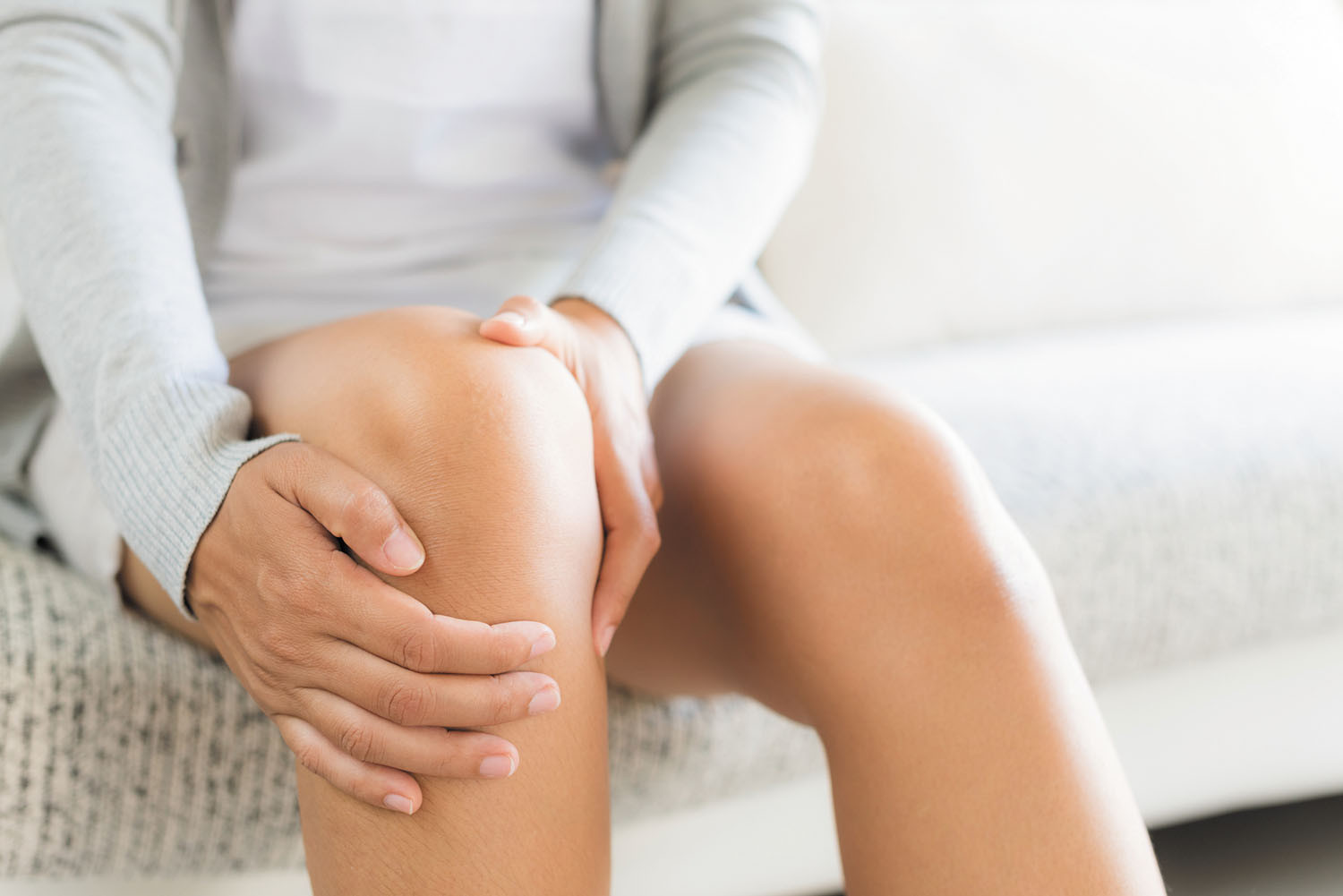

Tics and TikTok: Can social media trigger illness?
For hundreds of years there have been documented instances of groups of people developing similar, medically inexplicable, and sometimes bizarre symptoms, such as paralysis, involuntary tics, or uncontrollable laughter. Known as sociogenic illness, a recent example appears to be fueled by social media postings—meaning physical proximity is no longer a factor.

Progress toward over-the-counter hearing aids
In October 2021, the FDA proposed rules to create a new category of over-the-counter hearing aids that would require special regulations and FDA approval. Approval of the rules is expected sometime in 2022.
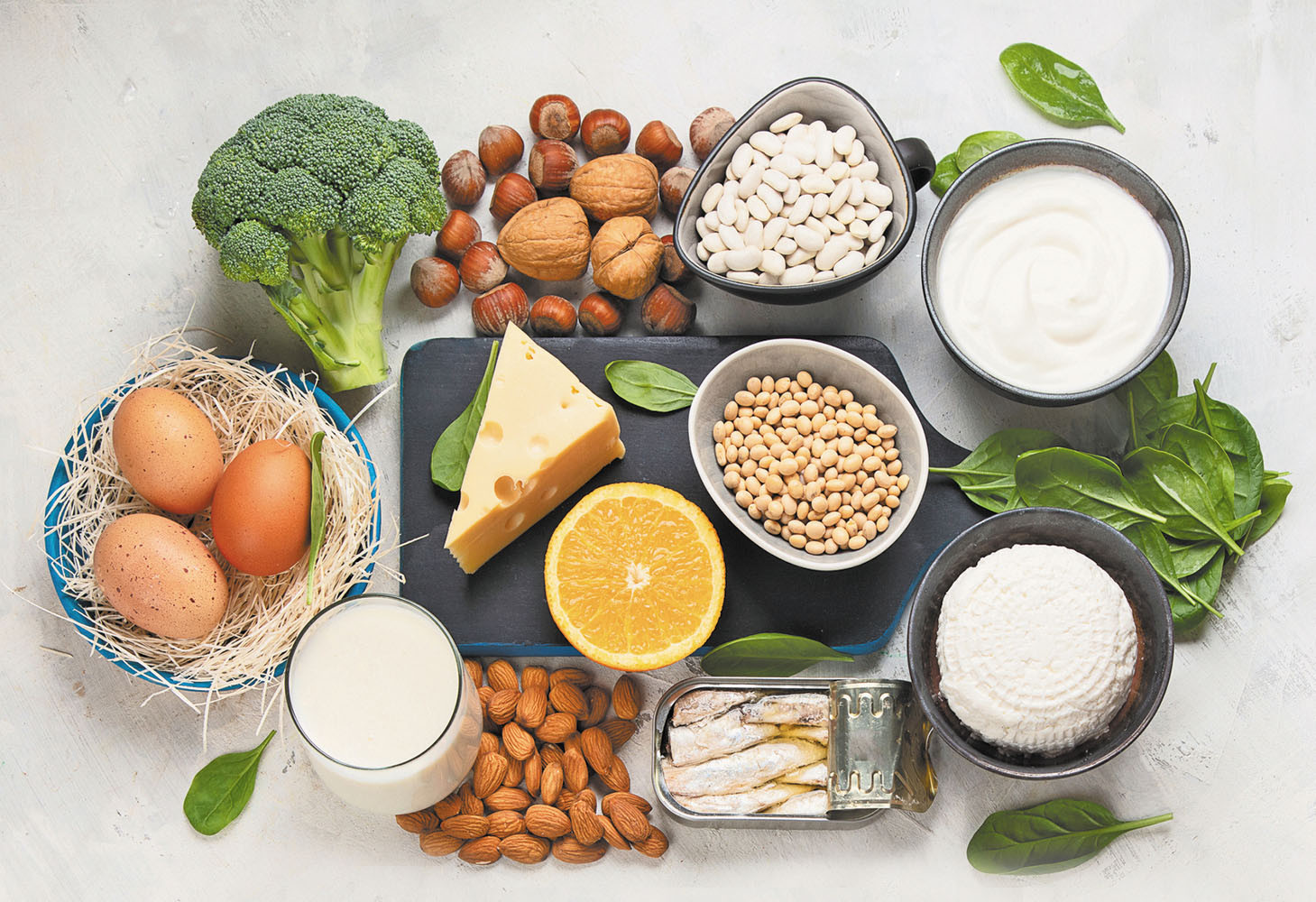
Essential nutrients your body needs for building bone
Older adults must pay special attention to their intakes of calcium, vitamin D, and protein. These important nutrients are crucial for maintaining bone health. Doctors say it's probably best to take a supplement to get enough vitamin D. Calcium and protein are best when they come from foods, such as canned salmon with bones, sardines, beans, dairy products (cheese, yogurt, cottage cheese, milk), leafy greens, or nuts. Other important nutrients for bone health, such as magnesium, phosphorous, and potassium, can be obtained by simply eating a diet rich in fruits, vegetables, legumes, nuts, seeds, and lean proteins.
CoQ10: Should you take this popular supplement if you're on a statin?
Oat vs. dairy milk: Nutrition, benefits, and downsides
Microplastics: A hidden health threat?
Healing after food poisoning
What is tempeh? Benefits, nutrition, and how to use it
Light exposure at night may raise risk for heart disease
Whole grains may improve several heart risk factors at once
A lumbar belt may help ease low back pain
Children of centenarians may stay healthier and live longer too, study finds
Signs of pneumonia: Sometimes vague and unexpected
Free Healthbeat Signup
Get the latest in health news delivered to your inbox!
Sign Up
