

Estrogen-only hormone therapy tied to lower dementia risk

Should you have a hysterectomy?

Stair climbing may significantly lower cardiovascular risks

Why do I sweat so much?

Walking pneumonia: The "mild" illness that can still pack a punch

Tai chi walking: What is it and does it work?

What causes knee pain: How doctors make a diagnosis
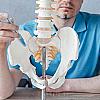
Sacroiliac joint pain: Causes, symptoms, and exercises that help

Where you carry excess weight matters in predicting heart disease risk

Study: At-home colorectal cancer screening may significantly cut colon cancer deaths
MIND diet Archive
Articles

Feeding body and soul
Intuitive eating is a plan designed to help people build a better relationship with food. It encourages people to listen to natural hunger and fullness cues. Two key principles include rejecting a diet mentality and the notion that foods are "good" or "bad." Weight loss can result, but it is not a chief goal. People can incorporate intuitive eating into their lifestyle by being mindful during meals, keeping a food journal, staying fueled, being patient, and seeking support from a dietitian or health coach.

Tips to avoid constipation
There are many ways one can try to avoid constipation. For example, lifestyle remedies may help—such as increasing dietary fiber, getting regular exercise, and drinking three to six cups of water per day. If those approaches don't work, doctors recommend using fiber supplements, such as psyllium husk (Metamucil), methylcellulose (Citrucel), or wheat dextrin (Benefiber). Another supplement that might help is magnesium. When all strategies fail, it may be time to try over-the-counter medication. One option is an osmotic laxative such as polyethylene glycol (Miralax).



Natural ways to relieve constipation
Dietary changes, medications, and a lack of exercise often contribute to constipation in older women. Getting plenty of fiber and drinking four to six glasses of fluid each day are the best ways to prevent-and treat-constipation.


Is cheese a healthy source of probiotics?
Some types of cheese, including Swiss and Gouda, are a good source of probiotics, but eat cheese in moderation.

Healthy gut, healthier aging
Keeping the gut microbiome diverse is good for health and may even be tied to healthier aging. To maintain such diversity, it helps to eat a healthy diet that includes lots of fiber, which gut microbes eat. Also, exercise may be helpful to the gut microbiome, since exercise may change the rate at which material moves through the intestines. Other ways to promote a healthy gut microbiome including getting a dog, which exposes us to more microbes; quitting smoking, which relieves stress on gut microbes; and maybe eating more probiotic-rich foods, which may boost beneficial bacteria in the gut.
Estrogen-only hormone therapy tied to lower dementia risk
Should you have a hysterectomy?
Stair climbing may significantly lower cardiovascular risks
Why do I sweat so much?
Walking pneumonia: The "mild" illness that can still pack a punch
Tai chi walking: What is it and does it work?
What causes knee pain: How doctors make a diagnosis
Sacroiliac joint pain: Causes, symptoms, and exercises that help
Where you carry excess weight matters in predicting heart disease risk
Study: At-home colorectal cancer screening may significantly cut colon cancer deaths
Free Healthbeat Signup
Get the latest in health news delivered to your inbox!
Sign Up
