

Estrogen-only hormone therapy tied to lower dementia risk

Should you have a hysterectomy?

Stair climbing may significantly lower cardiovascular risks

Why do I sweat so much?

Walking pneumonia: The "mild" illness that can still pack a punch

Tai chi walking: What is it and does it work?

What causes knee pain: How doctors make a diagnosis
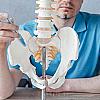
Sacroiliac joint pain: Causes, symptoms, and exercises that help

Where you carry excess weight matters in predicting heart disease risk

Study: At-home colorectal cancer screening may significantly cut colon cancer deaths
MIND diet Archive
Articles


Do toddler formulas deliver on nutrition claims?
Formula companies claim that toddler formulas, also known as "follow-up formulas," "transition formulas," or "growing-up milks" offer nutritional benefits to toddlers. But are these products necessary and healthy?


Are certain types of sugars healthier than others?
A high intake of sugar is linked to an increased risk of obesity, type 2 diabetes, cardiovascular disease, and certain cancers. But whether some sugars are healthier (or worse) than others remains a question of interest to many.

The bitter truth about added sugar
American adults consume an average of 77 grams (almost 20 teaspoons) of sugar per day. A little extra sugar may seem harmless, but the amounts can add up and, over time, contribute to a variety of health issues, like obesity, diabetes, and heart disease. Avoiding high-sugar foods by reading labels and cutting out sugar-sweetened beverages are the best ways to lower intake of added sugar.

The far-reaching effects of a little bit of weight loss
Losing 5% of one's total body weight can result in clinically significant physiologic changes. For example, losing a little weight can reduce heartburn, knee pain, blood pressure, and diabetes risk. Losing 5% of one's body weight may also lead to better sexual function, more restorative sleep, extra energy, and more self-esteem. To reach a 5% reduction in total body weight, it helps to exercise; eat a healthy diet rich in lean proteins, whole grains, fruits, vegetables, legumes, nuts, and seeds; and get enough sleep.

Heart disease risk: Partnering on lifestyle change can help
For people who have risk factors for heart disease, it's important to make lifestyle changes like losing weight, getting more exercise, and eating a healthier diet. Longstanding habits are hard to change, but managing the challenge of healthy eating is easier if people have a partner who is supportive and involved in making food choices.
Estrogen-only hormone therapy tied to lower dementia risk
Should you have a hysterectomy?
Stair climbing may significantly lower cardiovascular risks
Why do I sweat so much?
Walking pneumonia: The "mild" illness that can still pack a punch
Tai chi walking: What is it and does it work?
What causes knee pain: How doctors make a diagnosis
Sacroiliac joint pain: Causes, symptoms, and exercises that help
Where you carry excess weight matters in predicting heart disease risk
Study: At-home colorectal cancer screening may significantly cut colon cancer deaths
Free Healthbeat Signup
Get the latest in health news delivered to your inbox!
Sign Up
