

Even a little exercise linked with lower stroke risk in people with afib

Testosterone therapy without evidence of deficiency may boost heart risk

Weight-loss drug may lower risk of heart attacks and infections

What to eat on the DASH diet

Migraine: How it's diagnosed and what that means

Tricep workouts you can do at home

Mindfulness practices to reduce stress and improve focus

Antihistamines may not offer meaningful relief from eczema symptoms

Overweight and taking blood pressure medications: Study finds it's a trend that's working

FDA approves first mRNA-based flu vaccine
Menopause and perimenopause Archive
Articles
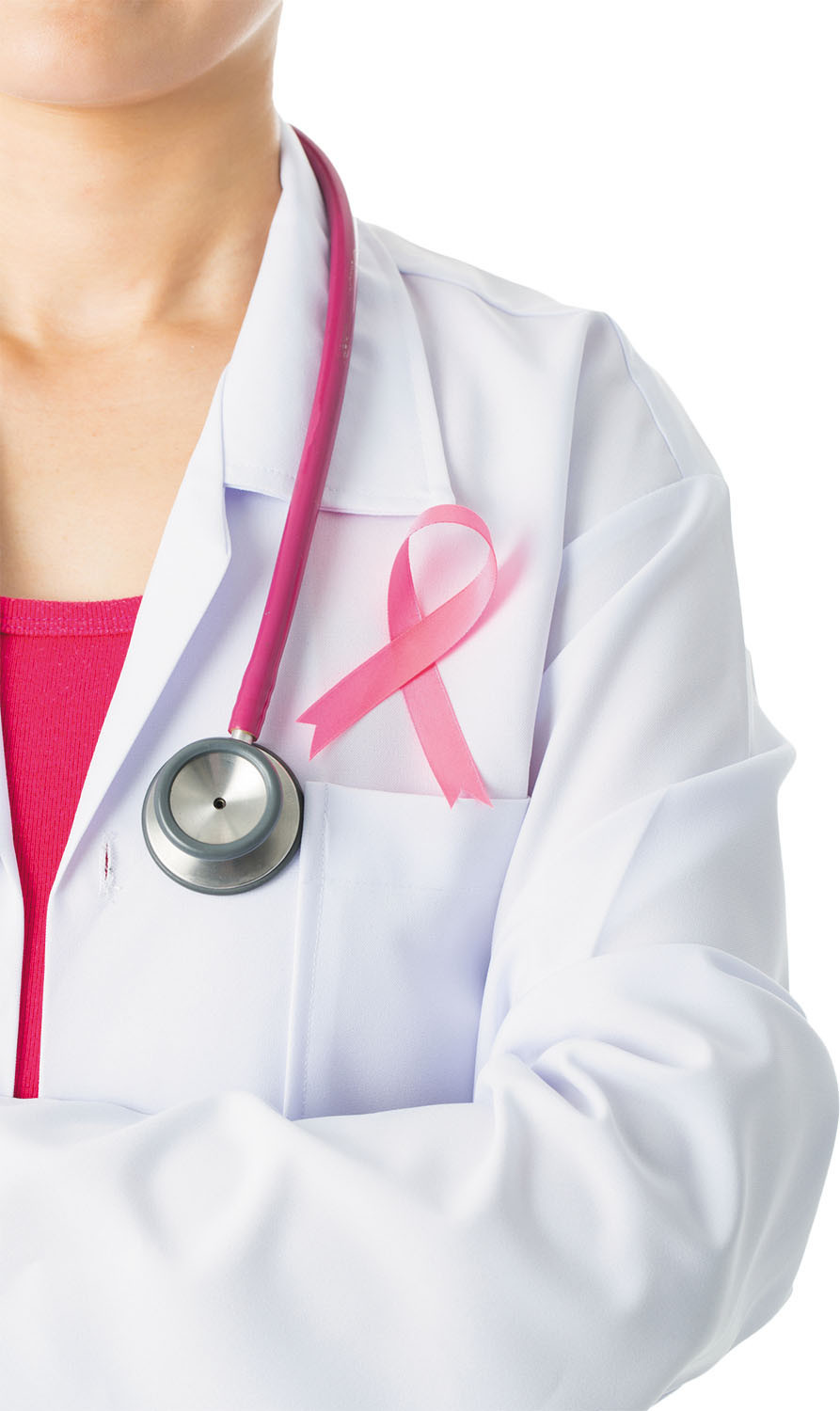
High risk for breast cancer? You might benefit from preventive medication
Research we're watching
Women at high risk for breast cancer might benefit from taking medication to prevent the disease, says a new recommendation from the U.S. Preventive Services Task Force (USPSTF), a national group of experts. Medications such as tamoxifen (Nolvadex), raloxifene (Evista), and aromatase inhibitors have been shown to help prevent invasive, estrogen receptor-positive breast cancer, but they can cause serious side effects, such as other cancers and blood clots. For some women, the potential benefits of these drugs outweigh those risks. The USPSTF, however, recommends against routine use of these medications for women who are not at high risk for breast cancer, because the potential benefit is much smaller. Women who are over age 35 and are at high risk for breast cancer or who have had previous benign breast lesions (such as atypical ductal or lobular hyperplasia or lobular carcinoma in situ) might want to discuss this recommendation with their doctor. The USPSTF encouraged doctors to weigh the risk of breast cancer against potential drawbacks of the medications and the individual woman's risk for adverse effects.
Image: ShutterOK/Getty Images
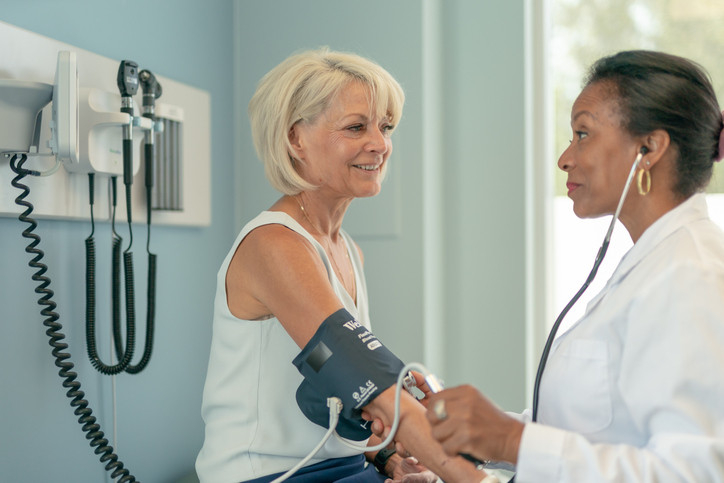
Could white-coat hypertension harm your heart?
People who have elevated blood pressure readings in a doctor’s office but normal readings elsewhere are said to have white-coat hypertension. A new study suggests that people with this condition face a greater risk of heart disease than those whose blood pressure is always normal.
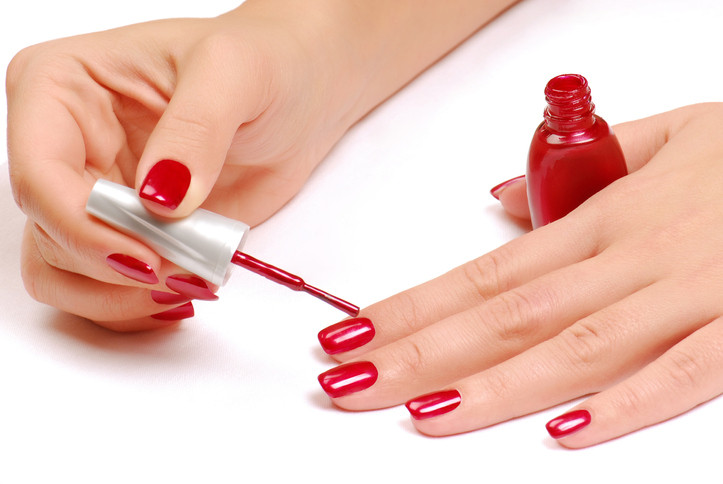
A look at the effects of nail polish on nail health and safety
Different types of nail polish can have varying effects on fingernails, and have pros and cons depending on the chemicals used in making them.

Why are women using CBD products — and do they work?
Many products containing CBD claim to help women with various health issues, including sleep, mood, symptoms of PMS or menopause, and sexual pleasure. Currently, very little evidence supports these extravagant promises, and there are concerns about the quality and safety of CBD products.

Straight talk on planking
Your core muscles are your body’s foundation, and the plank pose is a great exercise to do to help build core strength—it’s challenging but not complicated. Here’s everything you need to know to plank correctly.

Sexual and gender minorities face unique health risks
Memory problems and confusion are just the newest in a list of health problems that appear to disproportionately affect LGBT individuals.
Past research has shown that sexual and gender minority groups may be at higher risk for certain health conditions, including cardiovascular disease and mental health disorders such as anxiety and depression. A new study suggests that another condition — dementia — may also be on that list. Findings presented at the 2019 Alzheimer's Association International Conference showed that people who identified as a sexual or gender minority were more likely than other people to report worsening memory or increased confusion over the past year.
It's possible that some of the same underlying factors that affect risk of other diseases are playing a role in these reported cognitive changes as well, says Dr. Ole-Petter R. Hamnvik, an assistant professor of medicine at Harvard Medical School. "Almost any health outcome that you look at, you can find disparities in these groups. It's not just dementia," he says.

Women with post-traumatic stress disorder may be at higher risk for ovarian cancer
Research we're watching
Could a traumatic experience raise the risk of ovarian cancer? Researchers at the Harvard T.H. Chan School of Public Health and Moffitt Cancer Center found that women who remembered experiencing six or more symptoms of post-traumatic stress disorder (PTSD) had double the risk of later developing ovarian cancer, compared with women who had not reported PTSD symptoms. They were also more likely to develop a more aggressive form of the cancer. The researchers looked at data from more than 50,000 women who participated in the Nurses' Health Study II. Early in the study, women were asked to identify their most stressful life experience and any PTSD symptoms they had experienced following that event. Researchers then looked to see which of the women went on to develop ovarian cancer. The study, published Sept. 5 in Cancer Research, found higher cancer risk persisted even if a woman's PTSD symptoms had occurred decades in the past. Past animal research suggests that stress hormones may spur tumor growth.
Image: martinedoucet/Getty Images

PrEP prevents HIV — so why aren’t more people taking it?
PrEP (pre-exposure prophylaxis) is a daily medication taken to prevent HIV infection. While multiple studies show PrEP is effective, relatively few of those who might benefit are taking it. Will a 10-year initiative to reduce rates of HIV and a new formulation of PrEP help?
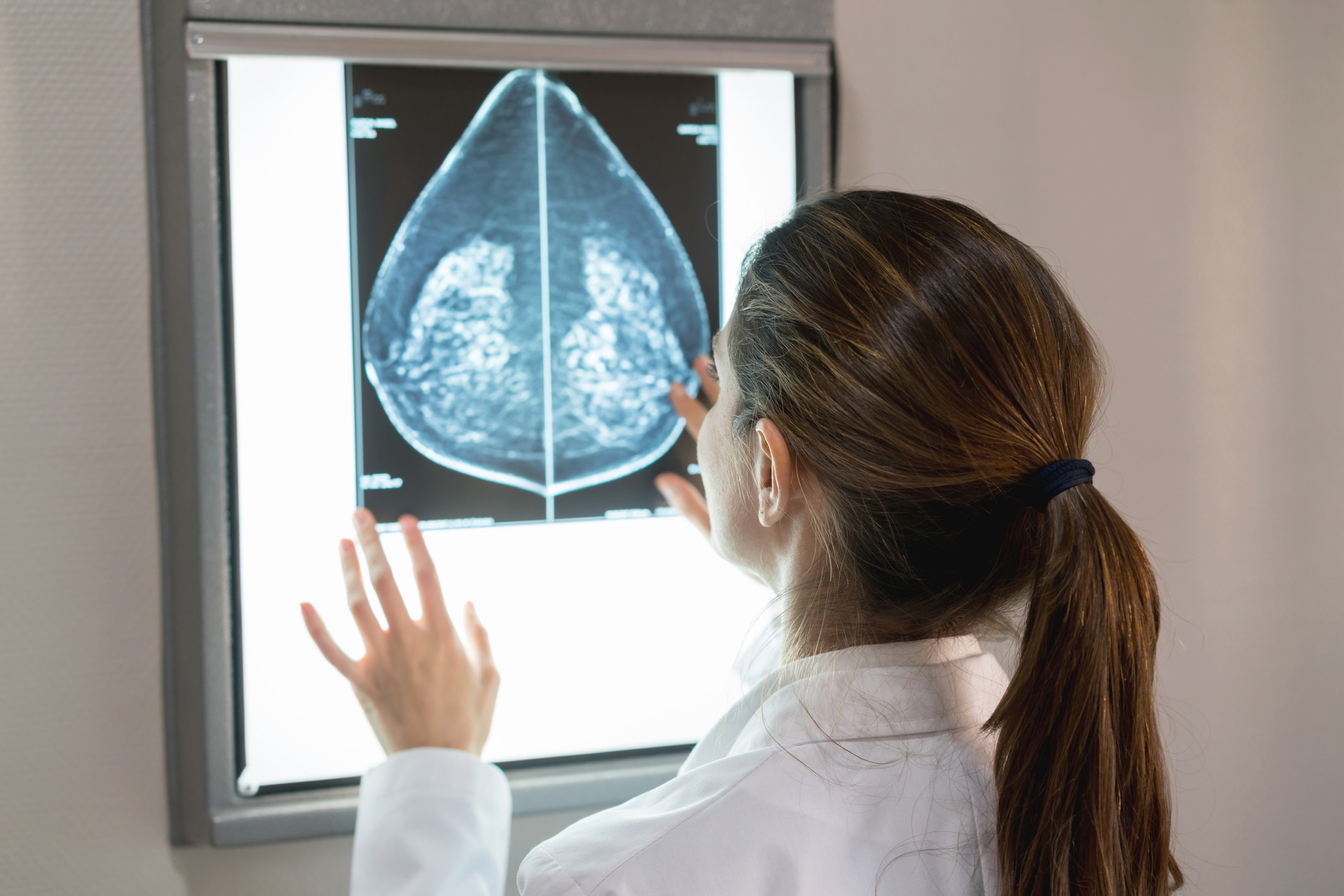
Dense breasts on a mammogram? What to know and do
Mammograms look for signs of breast cancer. They can also provide information on whether a woman has high breast density, which slightly increases risk for developing breast cancer. Here’s what you need to know and do if you’re notified about this risk factor.
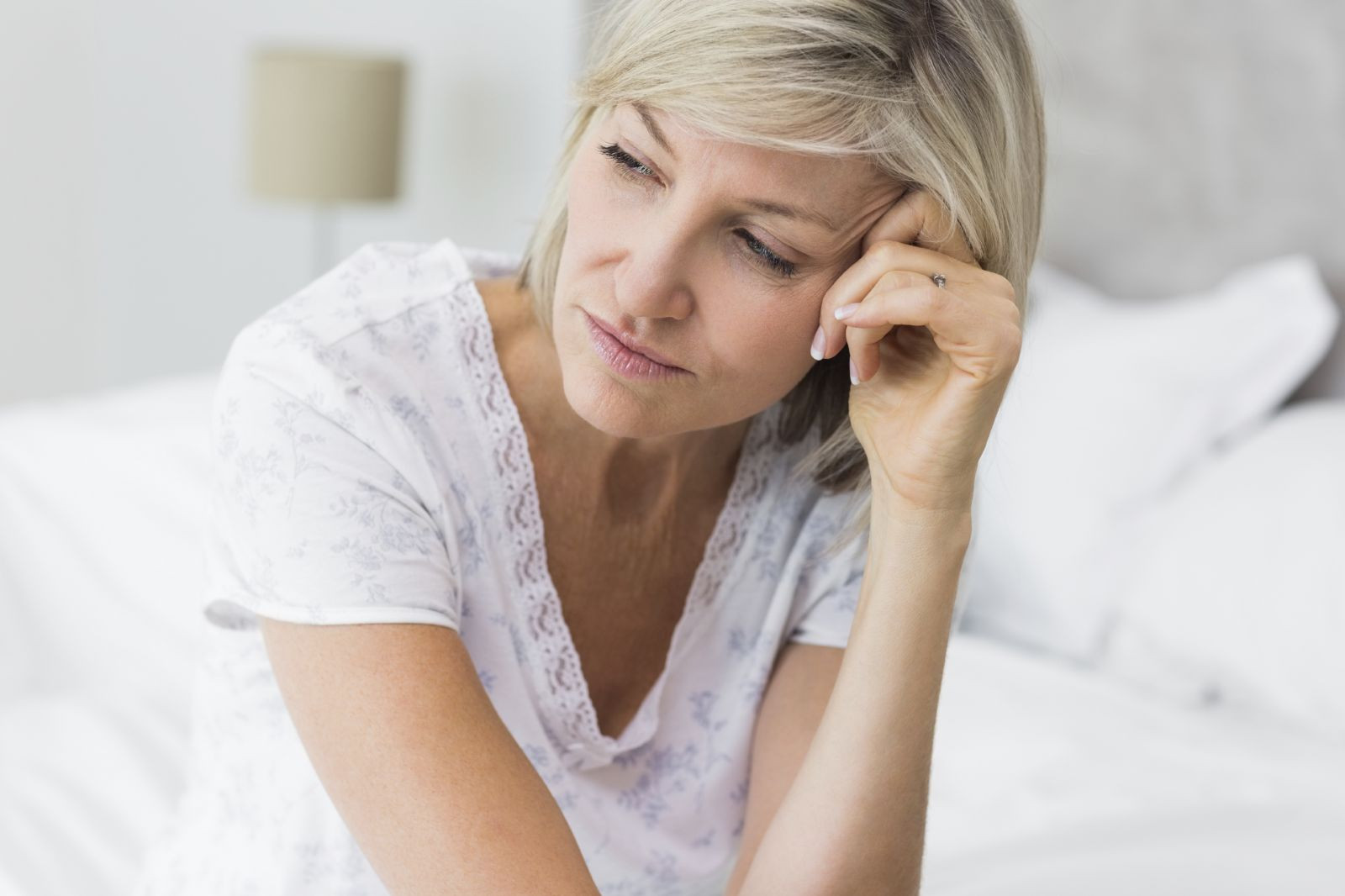
When sex gives more pain than pleasure
Dyspareunia is a common problem for many postmenopausal women.
Millions of women experience pain before, during, or after sexual intercourse—a condition called dyspareunia (from the Greek dyspareunos, meaning "badly mated"). This condition not only saps sexual desire and enjoyment, it can also strain relationships and erode quality of life in general. For postmenopausal women, dyspareunia may also raise concerns about aging and body image.
Many women suffer in silence and don't seek the help they need, or they have trouble finding a clinician who can diagnose and treat the causes of their pain. That is unfortunate, because treatments are available for many of the problems that underlie this vexing condition.
Even a little exercise linked with lower stroke risk in people with afib
Testosterone therapy without evidence of deficiency may boost heart risk
Weight-loss drug may lower risk of heart attacks and infections
What to eat on the DASH diet
Migraine: How it's diagnosed and what that means
Tricep workouts you can do at home
Mindfulness practices to reduce stress and improve focus
Antihistamines may not offer meaningful relief from eczema symptoms
Overweight and taking blood pressure medications: Study finds it's a trend that's working
FDA approves first mRNA-based flu vaccine
Free Healthbeat Signup
Get the latest in health news delivered to your inbox!
Sign Up
