

Reading the current blood pressure guidelines

Oat vs. dairy milk: Nutrition, benefits, and downsides

Microplastics: A hidden health threat?

Healing after food poisoning

What is tempeh? Benefits, nutrition, and how to use it

Light exposure at night may raise risk for heart disease

Whole grains may improve several heart risk factors at once

A lumbar belt may help ease low back pain

Children of centenarians may stay healthier and live longer too, study finds

Signs of pneumonia: Sometimes vague and unexpected
Memory Archive
Articles
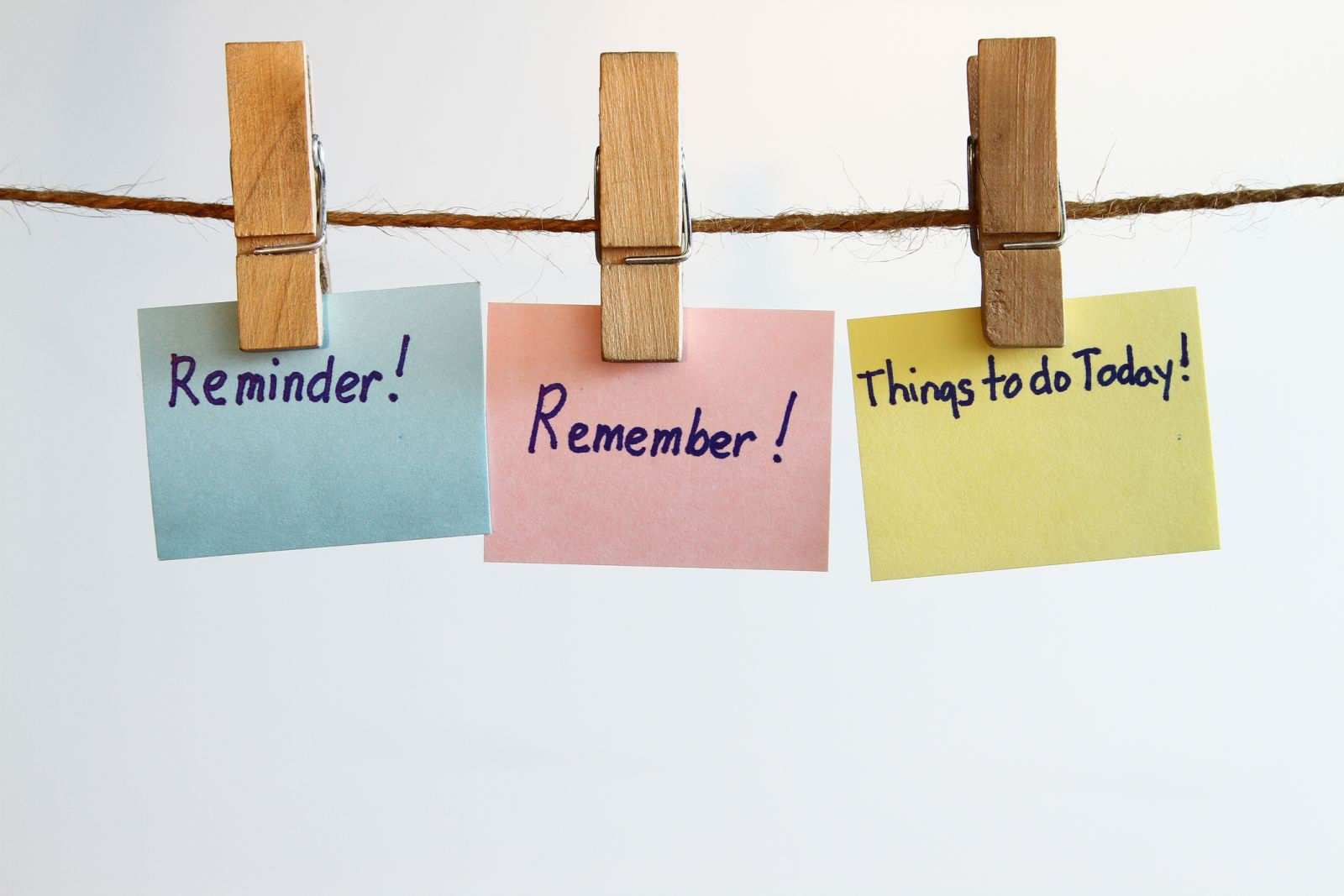
Flaws of normal memory
Regardless of age, you're unlikely to have a flawless memory. People who can remember very long lists of numbers or recall the minutiae of their daily lives — right down to what they ate for lunch every day last year—are exceedingly rare. And frankly, such a memory can be a burden rather than a blessing. Memory, it seems, is inherently flawed—and in more ways than you might think.
Daniel Schacter, a professor of psychology at Harvard University, described the most common ways that normal memory fails us in his book The Seven Sins of Memory. Some of these memory flaws become more pronounced with age, but unless they are extreme and persistent, they are not considered indicators of Alzheimer's or other memory-impairing illnesses. They are simply the way that our brains work. The following is a brief summary of two of Schacter's seven memory "sins."

Use everyday habits to keep your memory in good shape
Your daily habits and lifestyle — what you eat and drink, whether you exercise, how stressed you are, and more — affect your mental health every bit as much as your physical health. A growing body of research indicates that regular exercise and a healthful diet can help protect your memory from aging-related decline.
Exercise
Physical fitness and mental fitness go together. People who exercise regularly tend to stay mentally sharp into their 70s, 80s, and beyond. Although the precise "dose" of exercise isn't known, research suggests that the exercise should be moderate to vigorous and regular. Examples of moderate exercise include brisk walking, stationary bicycling, water aerobics, and competitive table tennis. Vigorous activities include jogging, high-impact aerobic dancing, square dancing, and tennis.

Chronic inflammation in midlife linked to brain decline later
News briefs
You've probably heard about tests to measure chemicals in the blood that indicate chronic inflammation in the body. They are sometimes used to estimate risk for heart disease. But what about using these kinds of biomarkers to gauge your risk for declining brain health? A study published Nov. 1, 2017, in Neurology found that having certain inflammatory markers in midlife was associated with brain shrinkage and poor memory in older age.
Researchers measured five inflammation biomarkers in about 1,600 middle-aged people and gave them brain scans and a memory test about 25 years later. Compared with people with no elevated inflammation markers, people with high levels of three or more biomarkers scored lower on the memory test and had about 5% shrinkage in the hippocampus and other parts of the brain associated with Alzheimer's disease.
When worry becomes a problem
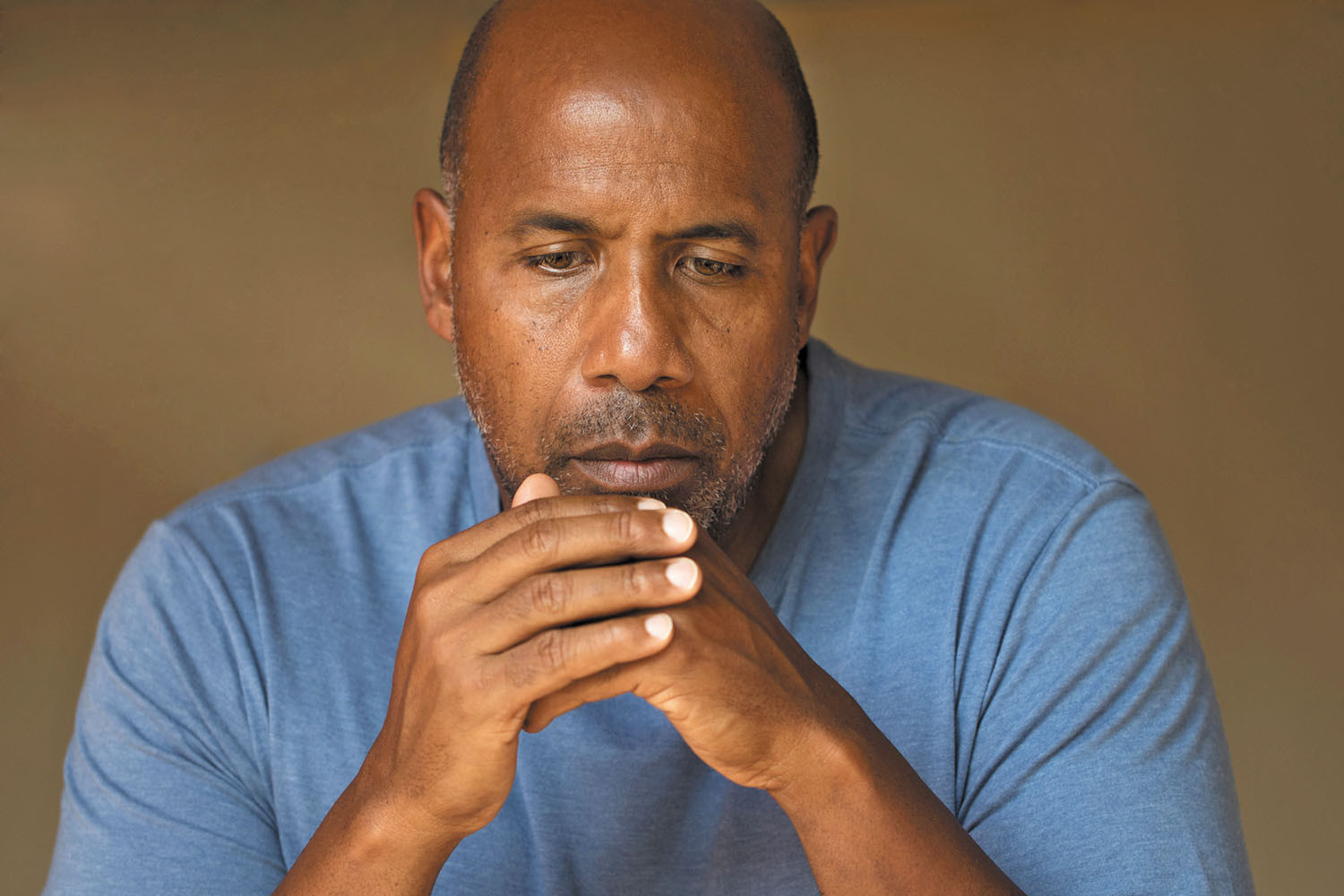
Feeling afraid about life issues is common as you age, but if it takes over your life, you may have generalized anxiety disorder (GAD).
Image: © pixelheadphoto/Thinkstock
Everyone feels afraid or worried at times, but if these feelings begin to take over your life, then you may have crossed over into generalized anxiety disorder (GAD), which is the most common anxiety disorder among older adults, according to the Anxiety and Depression Association of America (ADAA).
"The issue with many older men is they often just endure the discomfort of GAD, or think it's normal, and do not talk about the problem," says Dr. David Mischoulon, director of the Depression Clinical and Research Program at -Harvard-affiliated Massachusetts General Hospital. "However, left alone to manifest, GAD may lead to serious health problems, such as high blood pressure, depression, and addictive behavior like excessive drinking."

Exercise is an effective stress-buster
If exercise were available as a pill, experts say, everyone would be taking it. One reason is that exercise is very good at defusing stress. If you exercise — especially right when the stress response is triggered — you burn off stress hormones just as nature intended, instead of letting them pile up.
What's more, just about any form of motion on a regular basis helps relieve pent-up tension. Rhythmic, repetitive movements, such as walking, running, swimming, bicycling, and rowing — and specific types of exercise such as yoga, tai chi, and qigong — actually elicit the relaxation response, too. Regularly engaging in these kinds of activities can help you ward off everyday stress.

Holiday for one?
Get through the season on your own by changing your perspective, creating new traditions, and reaching out to others.
Image: © verbaska_studio/Thinkstock
The holidays are traditionally a time for family and friends. But plenty of people find themselves alone at this time of the year, especially older adults who live by themselves, are unable to drive, or live far from grown children. "I think it's probably hardest for people who have recently lost a loved one," says Dr. Suzanne Salamon, associate chief of gerontology at Harvard-affiliated Beth Israel Deaconess Medical Center.
Emotional impact
A number of emotions may creep in when you face holidays alone. One is pressure to make the holiday an event. "There's a feeling that it's supposed to be a celebration. That may be stressful if you have no one to celebrate with," says Dr. Elyse Park, director of behavioral health research at the Harvard-affiliated Benson-Henry Institute for Mind Body Medicine.

What to do about mild cognitive impairment
MCI can be tough to identify, but there may be ways to postpone, and possibly prevent, its impact on memory and thinking.
Everyone has the occasional bout of forgetfulness, whether it's misplacing your keys or blanking out on a name. But if these episodes become frequent or interfere with daily life, you may have mild cognitive impairment, or MCI.
MCI falls somewhere between the usual cognitive decline of normal aging and the more serious signs of dementia and Alzheimer's disease. An estimated 10% to 20% of adults older than 65 have MCI, according to the Alzheimer's Association. But this gray area of brain health is often difficult to detect.

Avoid drowsiness after holiday feasts
Ask the doctor
Image: © circlePS/Thinkstock
Q. Is there a way to avoid feeling sleepy after a holiday meal?
A. That's an unusual question: my patients usually ask me about foods to help them sleep. But with the holidays coming, the concern often is reversed. You may be with friends and family that you see only infrequently, and you don't want to nod off during the conversation.
Ramp up your resilience!
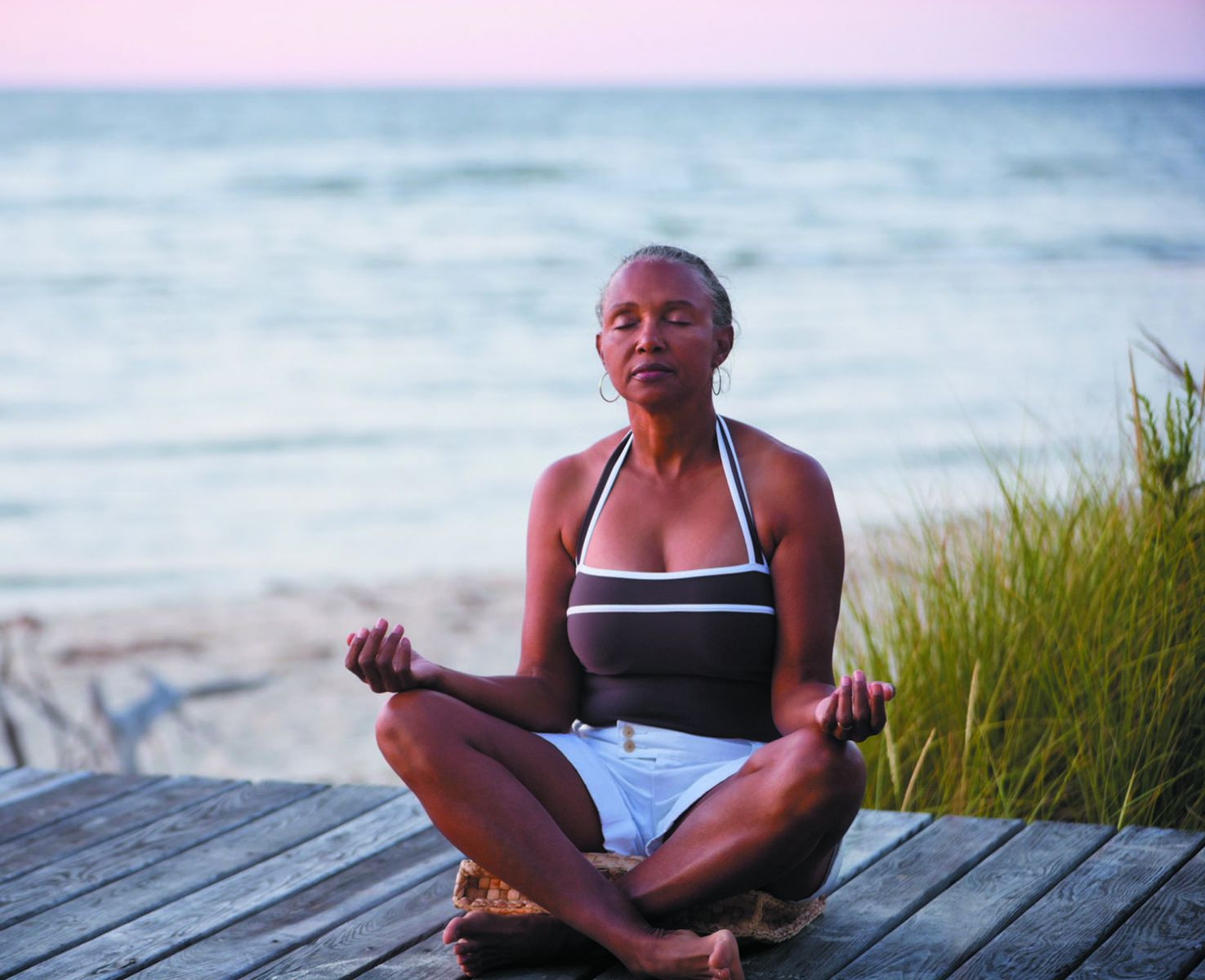
Being resilient is a skill you can learn and sharpen, and it's never too late to give it a try.
Image: © Ariel Skelley/Thinkstock
The ability to bounce back from stress or adversity is important throughout life, especially in our older years. That's when we face many transitions, such as health problems; job, income, and home changes; the loss of loved ones; and isolation or separation from friends, grown children, and grandchildren. How we adjust to these changes helps determine what life will look like moving forward. "Many people are living longer, and we want to make the most of these years so people can thrive," says Laura Malloy, the Successful Aging program director at the Harvard-affiliated Benson-Henry Institute for Mind Body Medicine.
The benefits of resilience
Coping with stress in a positive way is known as resilience, and it has many health benefits. It's associated with longevity, lower rates of depression, and greater satisfaction with life. "There's a sense of control, and it helps people feel more positive in general," Malloy says.
Reading the current blood pressure guidelines
Oat vs. dairy milk: Nutrition, benefits, and downsides
Microplastics: A hidden health threat?
Healing after food poisoning
What is tempeh? Benefits, nutrition, and how to use it
Light exposure at night may raise risk for heart disease
Whole grains may improve several heart risk factors at once
A lumbar belt may help ease low back pain
Children of centenarians may stay healthier and live longer too, study finds
Signs of pneumonia: Sometimes vague and unexpected
Free Healthbeat Signup
Get the latest in health news delivered to your inbox!
Sign Up
