

Even a little exercise linked with lower stroke risk in people with afib

Testosterone therapy without evidence of deficiency may boost heart risk

Weight-loss drug may lower risk of heart attacks and infections

What to eat on the DASH diet

Migraine: How it's diagnosed and what that means

Tricep workouts you can do at home

Mindfulness practices to reduce stress and improve focus

Antihistamines may not offer meaningful relief from eczema symptoms

Overweight and taking blood pressure medications: Study finds it's a trend that's working

FDA approves first mRNA-based flu vaccine
Medication side effects Archive
Articles

Battling a "brain storm"
Migraines, which affect nearly 40 million Americans, are likely vastly underdiagnosed and undertreated. Women are three times more likely to get migraines than men, and hormones appear to be a major trigger. Other triggers include stress, disrupted sleep patterns, hunger or dehydration, certain foods or medications, and bright lights or loud noise. Newer medications are more targeted and pose fewer side effects. They include CGRP (calcitonin gene-related peptide) blockers, more effective nasal sprays, and green light therapy.

Some blood pressure drugs may lower dementia risk
Taking antihypertension drugs to lower blood pressure that also stimulate type 2 and 4 angiotensin II receptors in the brain may offer protection against Alzheimer’s disease and other dementias.

Should I take afternoon naps?
Taking regular afternoon naps for less than 60 minutes can improve mental alertness and increase productivity.

Are you napping too much?
Napping for more than 30 minutes each day may be associated with increased risks for health problems. Causes of excessive napping include boredom, poor sleep at night, underlying conditions such as anemia or depression, medication side effects, dehydration, or malnutrition. Treating underlying conditions, staying hydrated, eating a healthy diet, becoming more active, and practicing good sleep hygiene may help reduce prolonged nap times.

Easier ways to take non-pill medications
Some medications, such as eye drops or inhalers, can be used with gadgets that make taking them easier. The devices might be especially helpful for someone with shaky or weak hands. Examples of gadgets that might help include eye drop guides, injection aids, inhaler spacers, and tube squeezers. The guides can help improve one’s grip, aim, or ability to squeeze out medication. Having better control may help a person take the correct amount of the drug.

Drug recalls are common
In the last 10 years, an average of four drug recalls a day have occurred in the US. Drug recalls happen for a number of different reasons, and while they are common, most are not for dangerous or life-threatening issues.

Heart failure: Reduced vs. preserved pumping
In about half of all cases of heart failure, the heart’s muscles are thin and weak, so the heart can’t pump very well. In the other cases, the muscles are thick and stiff, which prevents the heart from relaxing normally to fill with blood.

The trouble with new drugs
After a drug is approved by the FDA, unexpected safety problems may be discovered. Depending on the level of concern, different safety warnings may be issued –– including a black box warning designed to call attention to serious or life-threatening side effects.
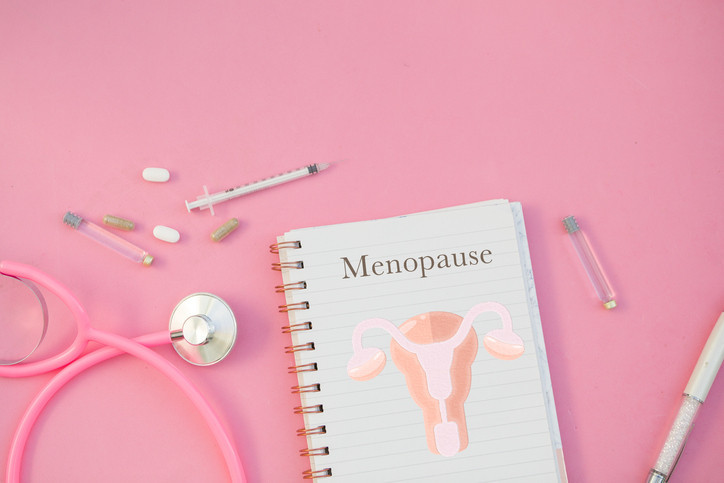
National task force updates recommendations on hormone therapy after menopause
Updated national guidelines on hormone therapy after menopause recommend that women use it only for relief of menopause-related symptoms, not to prevent chronic conditions that become likelier with age.

Stopping unneeded aspirin may prevent dangerous bleeding
Some people who take the anti-clotting drug warfarin (Coumadin) may not need to take low-dose aspirin. Stopping unneeded aspirin use may prevent dangerous bleeding.
Even a little exercise linked with lower stroke risk in people with afib
Testosterone therapy without evidence of deficiency may boost heart risk
Weight-loss drug may lower risk of heart attacks and infections
What to eat on the DASH diet
Migraine: How it's diagnosed and what that means
Tricep workouts you can do at home
Mindfulness practices to reduce stress and improve focus
Antihistamines may not offer meaningful relief from eczema symptoms
Overweight and taking blood pressure medications: Study finds it's a trend that's working
FDA approves first mRNA-based flu vaccine
Free Healthbeat Signup
Get the latest in health news delivered to your inbox!
Sign Up
