

CoQ10: Should you take this popular supplement if you're on a statin?

Microplastics: A hidden health threat?

Oat vs. dairy milk: Nutrition, benefits, and downsides

What is tempeh? Benefits, nutrition, and how to use it

Healing after food poisoning

Children of centenarians may stay healthier and live longer too, study finds

Light exposure at night may raise risk for heart disease

Whole grains may improve several heart risk factors at once

A lumbar belt may help ease low back pain

Signs of pneumonia: Sometimes vague and unexpected
Medical Tests & Procedures Archive
Articles
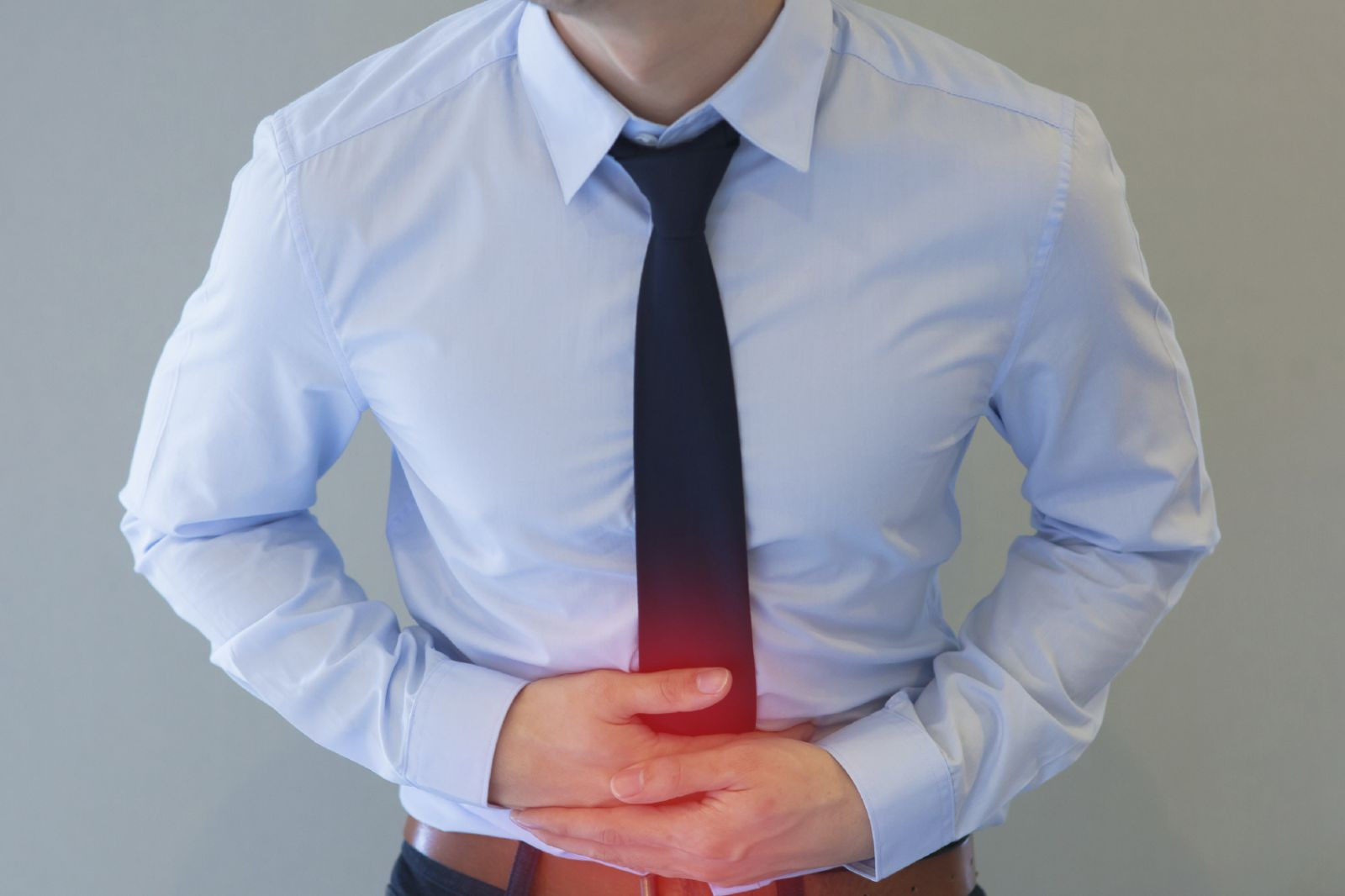
When does long-term acid reflux become a serious issue?
On call
Q. I have had acid reflux for many years, but it is well controlled with a proton-pump inhibitor. However, I am concerned about long-term damage from my reflux, even though I feel fine now. Should I have an upper endoscopy to look for possible damage?
A. Long-term acid reflux can damage the esophagus and may lead to a condition known as Barrett's esophagus, which is a precursor to esophageal cancer. Barrett's affects about 3% to 10% of older men, but within this group the risk of developing esophageal cancer is only about four in every 1,000 cases. Over all, men with Barrett's are more likely to die from another cause.

Scalp cooling reduces hair loss during breast cancer chemotherapy
Research we're watching
For many women with breast cancer, hair loss is the most distressing side effect of chemotherapy. Although cooling the scalp with ice packs has been tested, the technique has had limited success. However, a newer approach — wearing a cap connected to a cooling system that gradually reduces scalp temperature — has been more successful, according to two reports in the Feb. 14, 2017, Journal of the American Medical Association.
In one study, 67 of 106 women with stage I or stage II breast cancer who used the FDA-approved DigniCap during their treatment with taxane (Taxol and others) lost less than half of their hair. In comparison, 16 women who underwent the same treatment but did not wear the cooling cap lost all of their hair.

Does your heart need a valve job?
Because medications cannot effectively treat aortic stenosis, a stiff, narrowed aortic valve needs to be replaced.
Your aortic valve is the gateway between your heart and body. With every heartbeat, it opens to allow blood to flow to your body, then snaps shut to keep blood from moving back into the heart.
As people age, calcium deposits may collect on the hard-working aortic valve, causing it to stiffen and narrow. Known as aortic stenosis, this condition also can result from a genetic abnormality (see "What is a bicuspid aortic valve?"). But most cases are in older people, often — but not always — those with high blood pressure, high cholesterol, and other risk factors linked to heart disease. In the United States, about three to four of every 100 people ages 75 and older have severe aortic stenosis.
Blood markers for heart disease linked to microscopic strokes
Research we're watching
Aging brains often show signs of microscopic strokes, which result from damage to tiny blood vessels within the brain. Those that occur in the brain's outermost layer — called cortical cerebral microinfarcts (CMIs) — usually don't cause any symptoms. But they are more common in autopsies of people diagnosed with dementia. Now, new research suggests a link between blood markers for early heart disease and CMIs.
The study, published online Feb. 6, 2017, by JAMA Neurology, included 243 people who attended a memory clinic. All had brain scans to check for CMIs and blood tests that measured two substances associated with early signs of heart damage. People who had CMIs (nearly 29% of the participants) were much more likely to have heart disease than those who didn't have CMIs. Higher levels of both substances associated with heart damage were also linked to CMIs — even when the researchers left out people who already had obvious symptoms of heart disease.
Safety of implanted cardiac devices and MRIs: An update
Research we're watching
Contrary to conventional wisdom, most people with older implanted cardiac devices may be able to safely get a magnetic resonance imaging (MRI) scan, according to a study in the Feb. 23, 2017, New England Journal of Medicine.
The devices, which include pacemakers and implantable cardioverter-defibrillators (ICDs), help regulate and restore the heart's normal rhythm. Concerns that the powerful magnets in MRIs could damage these battery-operated devices led to the development of newer, MRI-safe devices. But an estimated two million people in the United States have one of the older devices, and at least half of them might need an MRI in the future.
Migraine sufferers have a higher risk for stroke after surgery
In the journals
People who suffer from migraines have increased risks of stroke and hospital readmission within 30 days after having surgery, according to research published online Jan. 10, 2017, by BMJ.
The study included 124,558 patients (45% of whom were men), who had a history of migraines, either with or without aura (a period of symptoms, such as flashes of light or facial tingling, that precedes the migraine). The researchers monitored the condition of all the patients after either inpatient or outpatient surgery. They then looked at how many had strokes and how many were readmitted to the hospital over the following 30 days.
New way to use PSA test might identify men who need aggressive prostate cancer treatment
In the journals
Prostate-specific antigen (PSA) tests are used to help identify men who may have a higher risk of prostate cancer. But a study published online Jan. 12, 2017, by JAMA Oncology, describes a new way to use PSA that may pinpoint men who are likely to die early from prostate cancer that returns after initial treatment.
The researchers used data from a randomized trial of 157 men whose localized cancer was treated with either radiation alone or radiation along with six months of androgen deprivation therapy. The men were then followed for 16 years.
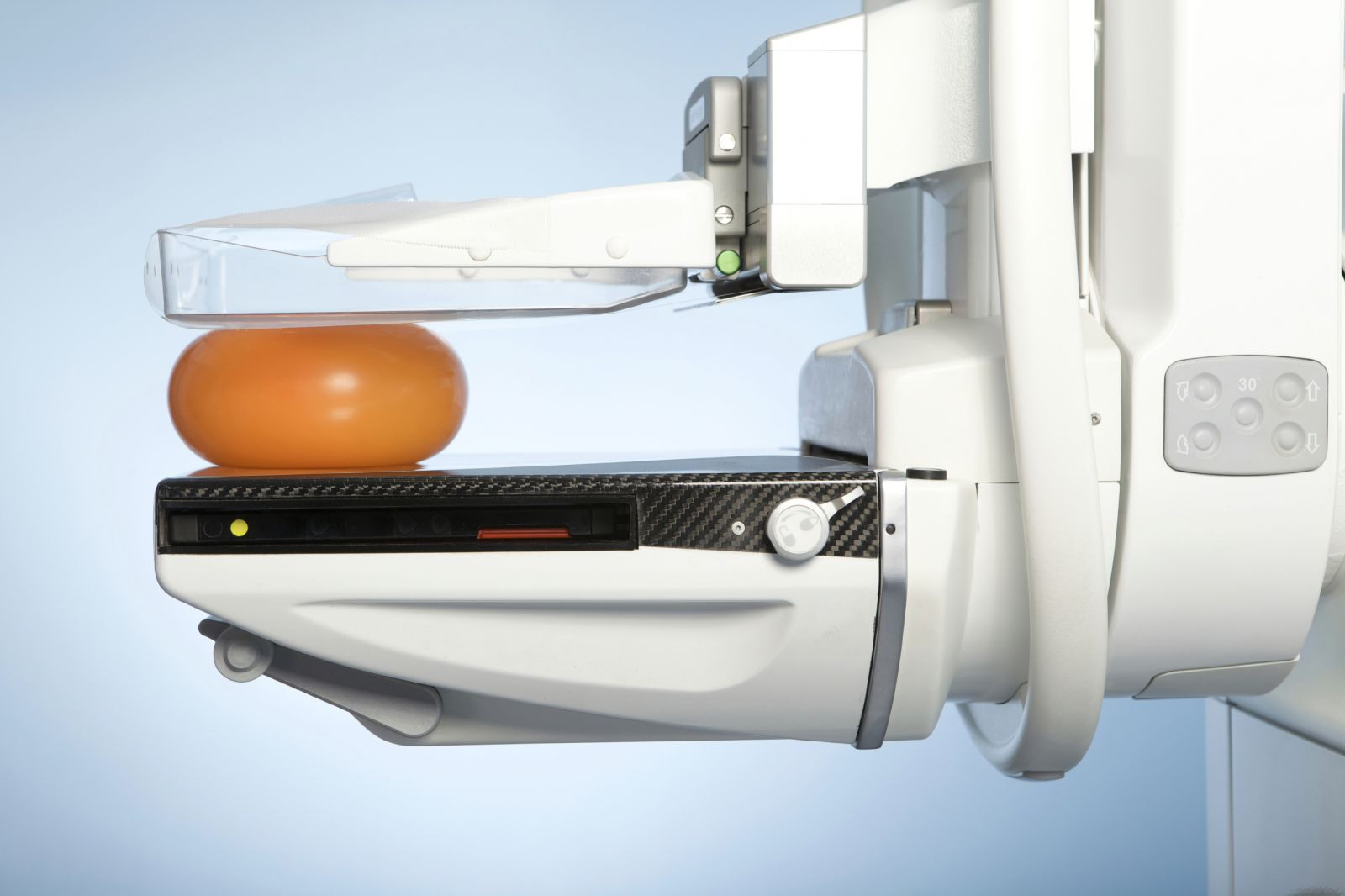
Why isn't there a more comfortable mammogram procedure?
Ask the doctor
Q. I have been smashed, squashed, pulled, and tugged annually for 25 years. Why isn't there a better way to take a mammogram?
A. We hear you! Compression mammography has been the "gold standard" for decades for one reason — it works. Flattening the breast makes ductal tissue easier to distinguish and reduces the amount of radiation required to do so. Studies have demonstrated that it is the most effective approach to breast cancer screening.

C-Reactive Protein test to screen for heart disease: Why do we need another test?
The predictive powers of a cholesterol test only go so far. If your LDL is low, your C-reactive protein may be a better sign of impending heart trouble.
The gap between knowing what's good for you and actually doing it can be huge, especially when it comes to something like getting exercise. (Never underestimate the appeal of the sedentary life.) Many of us need a warning-some might say a bit of a kick in the pants-before we'll change our ways and get with a heart-healthy program.
Cholesterol Tests
For decades, cholesterol testing has served as that warning for many. An elevated level of "bad" LDL cholesterol has been just the warning people needed to change their ways. It has played that role for several reasons. People like tests because the results seem objective. Reliable measurement of cholesterol is easy and relatively inexpensive. It makes sense biologically. LDL cholesterol, a protein-wrapped package containing fat and cholesterol, tends to slip out of the bloodstream and lodge in blood vessel walls, forming the plaque that leads to clots and heart attacks.

CoQ10: Should you take this popular supplement if you're on a statin?
Microplastics: A hidden health threat?
Oat vs. dairy milk: Nutrition, benefits, and downsides
What is tempeh? Benefits, nutrition, and how to use it
Healing after food poisoning
Children of centenarians may stay healthier and live longer too, study finds
Light exposure at night may raise risk for heart disease
Whole grains may improve several heart risk factors at once
A lumbar belt may help ease low back pain
Signs of pneumonia: Sometimes vague and unexpected
Free Healthbeat Signup
Get the latest in health news delivered to your inbox!
Sign Up
