

Fatty liver disease: Should you be tested?

Even a little exercise linked with lower stroke risk in people with afib

Testosterone therapy without evidence of deficiency may boost heart risk

Weight-loss drug may lower risk of heart attacks and infections

Migraine: How it's diagnosed and what that means

Tricep workouts you can do at home

Mindfulness practices to reduce stress and improve focus

Antihistamines may not offer meaningful relief from eczema symptoms

Overweight and taking blood pressure medications: Study finds it's a trend that's working

FDA approves first mRNA-based flu vaccine
Marijuana/CBD Archive
Articles

Novel diabetes drug may help people with heart failure, kidney disease
Research we're watching
A unique diabetes drug shows heart-related benefits in people with diabetes who also have recently worsening heart failure or kidney disease, according to two new studies.
The drug, sotagliflozin (Zynquista), belongs to a class of drugs called SGLT2 inhibitors, which cause the kidneys to release more sugar into the urine. The drug is also an SGLT1 inhibitor, meaning it decreases sugar absorption in the intestines. This dual action lowers high blood sugar, the hallmark of diabetes. In people with kidney disease, sotagliflozin lowered the total number of deaths from cardiovascular disease and hospitalizations and urgent visits for heart failure by about 26% compared with a placebo. In a second study, which included people with recently worsening heart failure, those taking the drug had a 33% decrease in those same heart-related measures compared with a placebo.

Will these surprising factors really raise your blood sugar?
Learn what will and won't increase blood sugar levels and put your health in jeopardy.
It's essential to keep your blood sugar from spiking (rising suddenly), whether you're healthy or you're among the 122 million Americans who have diabetes or prediabetes. But with all the conflicting advice in circulation, it can be hard to figure out what foods and habits you need to avoid.
Bogus claims
On the Internet you'll find many reports of factors that purportedly increase blood sugar. Here are a few claims that you should know about because they just don't hold up.

Statin side effect could be due to the "nocebo" effect
In the journals
People who are worried about statins because of possible side effects may experience what's called the "nocebo effect" when they try taking the drugs. This is the opposite of the placebo effect; with the nocebo effect, people who have negative expectations about medicine or a treatment experience harmful symptoms they otherwise wouldn't have.
Researchers recruited 60 people, average age 66, who had previously stopped statins after two weeks because of side effects. For one month each, they took 20 milligrams of atorvastatin (Lipitor), a placebo, or no pill. They then continued this monthly rotation for a year without knowing which pill was which.

Treating heart attacks: Changes from Eisenhower’s era to the present day
In the 1950s, doctors offered mainly morphine and bed rest — a far cry from the many procedures and medications provided today.
During a round of golf one autumn afternoon in 1955, President Dwight Eisenhower experienced what he assumed was indigestion. After he awoke at 2 a.m. the following morning with severe chest pain, his personal physician administered several shots of morphine. It wasn't until 1 p.m. that afternoon that an electrocardiogram revealed that the president had experienced a heart attack.
Cardiologist Dr. Thomas Lee, professor of medicine at Harvard Medical School, detailed Eisenhower's experience in the Oct. 29, 2020, issue of The New England Journal of Medicine. His piece focuses mainly on how Eisenhower's cardiologist, Paul Dudley White, communicated the event to the public. As Dr. Lee wrote, "Heart attacks became less mysterious and frightening to millions of Americans that day."

Can taking aspirin regularly help prevent breast cancer?
Experts say there's little evidence that low-dose aspirin therapy brings benefits, and there are some risks.
In recent years, there's been a lot of talk about the potential benefits, and risks, of a regular regimen of low-dose aspirin. While much of the discussion has centered on whether taking low-dose aspirin can head off cardiovascular disease, some of the focus has also been on breast cancer. Can regular doses of this over-the-counter pain reliever reduce your risk of this common cancer?
For a while there were hints that the evidence was leaning that way. Back in 2017, this area of research, while still inconclusive, was somewhat promising. For example, a 2017 study published in Breast Cancer Research found that among some 57,000 women, those who reported taking low-dose aspirin (81 mg) at least three times a week had a 16% lower risk of breast cancer over all and a 20% lower risk of a specific type of hormonally driven breast cancer.
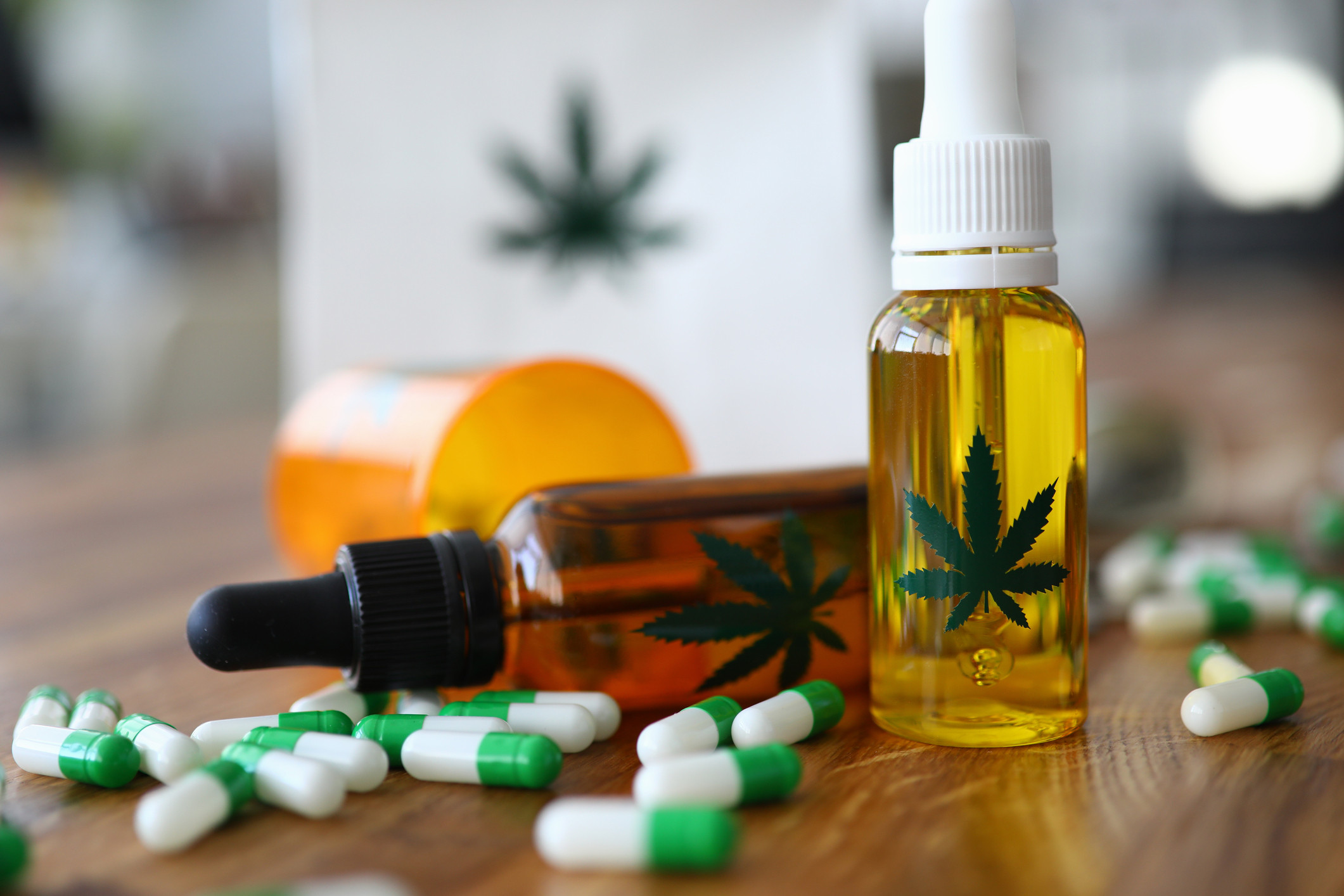
CBD and other medications: Proceed with caution
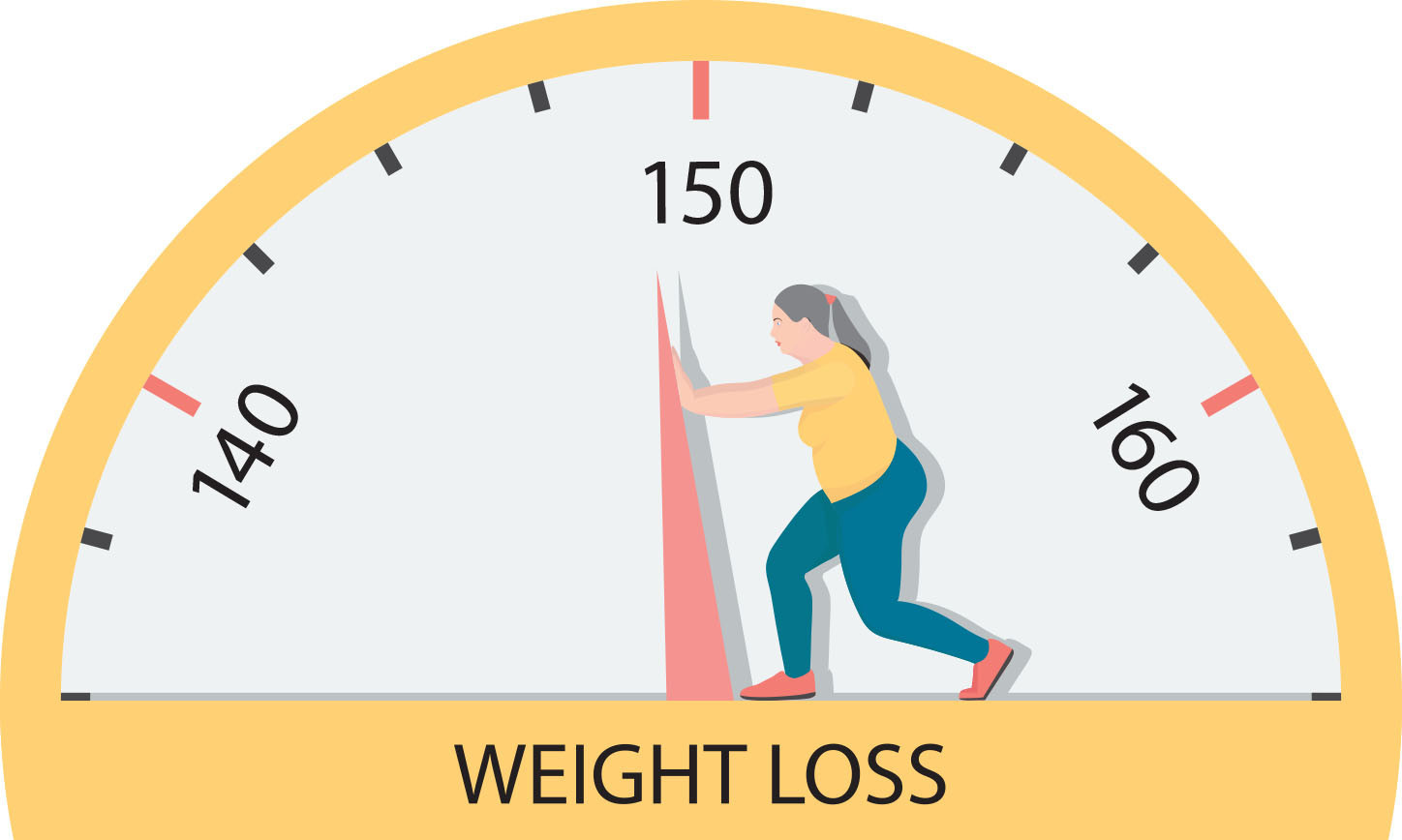
Tips to keep lost weight off in the New Year
Work with your body, not against it, for long-term weight maintenance.
For many people, their New Year's resolutions include some sort of weight-loss goal. However, while extra pounds often come off, evidence shows they rarely stay off. Among overweight or obese people who are able to lose 10% of their body weight, just one in six is able to maintain the weight loss for at least a year.
Experts say it's not surprising that weight loss rarely sticks, considering what they now know about how the body works. "Most people believe that obesity is caused by overeating, while we now recognize that the main driver of obesity is one or more disruptions in the body's normal regulation of the amount of fat we maintain," says Dr. Lee Kaplan, an associate professor of medicine at Harvard Medical School and director of the Obesity, Metabolism, and Nutrition Institute at Massachusetts General Hospital.

An unexpected benefit of better blood pressure control?
New findings challenge the widespread belief that aggressive blood pressure treatment may trigger a condition linked to fainting and falls.
When doctors treat older people with high blood pressure, they often worry about a condition that causes blood pressure to plummet when a person stands up from a seated or lying position. Known as orthostatic hypotension (hypotension means low blood pressure), it affects as many as one in five people ages 65 and older.
Because orthostatic hypotension can make you feel dizzy or lightheaded after standing, it may lead to fainting and falls — with possibly serious repercussions. This concern leads some doctors to ease up on prescribed blood pressure medications. But a new study suggests that practice actually might do more harm than good.

General anesthesia does not appear to increase dementia risk
In the journals
Because older adults often experience temporary changes in memory and thinking after having general anesthesia, they may worry that it increases their risk of dementia. A recent study should help put their minds at ease. Researchers found no association between the type of anesthesia and dementia risk, according to findings published online Oct. 6, 2020, by the Journal of the American Geriatrics Society.
The study looked at almost 7,500 people ages 66 or older without diagnosed dementia who underwent surgery requiring either general anesthesia (where you are unconscious) or regional anesthesia (where you are awake and the surgical area is numbed). The researchers included only people who had not had any previous surgery and stopped assessing those who had a second surgery later.

Reset your schedule, reset your health
Schedule shifts can hurt your health. The New Year is a great time to hit the reset button.
Throughout most of human history, the pattern of daily life was regular. Dreary for many, but regular. In recent centuries, "modern" life has introduced many irregularities, including changing work schedules. Advances in information technology mean that many of us are always connected — and that we spend time connecting at all hours. And the COVID-19 pandemic has introduced whole new irregularities into daily life.
One thing is certain: "When your schedule changes, you can lose the regular self-care routines that kept you active, eating right, and managing stress — things we need to control weight and inflammation and fight disease," says Dr. Monique Tello, a primary care physician and healthy lifestyle specialist with Harvard-affiliated Massachusetts General Hospital.
Fatty liver disease: Should you be tested?
Even a little exercise linked with lower stroke risk in people with afib
Testosterone therapy without evidence of deficiency may boost heart risk
Weight-loss drug may lower risk of heart attacks and infections
Migraine: How it's diagnosed and what that means
Tricep workouts you can do at home
Mindfulness practices to reduce stress and improve focus
Antihistamines may not offer meaningful relief from eczema symptoms
Overweight and taking blood pressure medications: Study finds it's a trend that's working
FDA approves first mRNA-based flu vaccine
Free Healthbeat Signup
Get the latest in health news delivered to your inbox!
Sign Up
