

Using a vibration plate: What it can — and can't — do for your body

The surprising link between ovarian cancer and the fallopian tubes

People who walk more or walk faster live longer, study finds

For sleep apnea, a dental device may be as effective as CPAP

Rosacea treatments: What works?

Carb cycling: What is it, and does it work?

Salmonella, E. coli, Cyclospora, and other germs that cause food poisoning: What you need to know

Melatonin or magnesium: Can either supplement help you sleep?

Understanding orthorexia: Have your healthy eating goals gone too far?

Naturally gluten-free foods
Lung cancer Archive
Articles
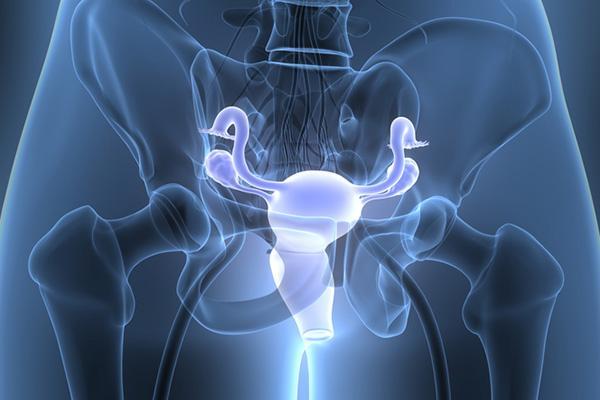
The surprising link between ovarian cancer and the fallopian tubes
Research has shown that most cases of ovarian cancer begin in the nearby fallopian tube. Major medical organizations recommend that women at average risk for ovarian cancer who are done having children and who are undergoing abdominal surgery for other reasons also have their fallopian tubes removed at the same time.
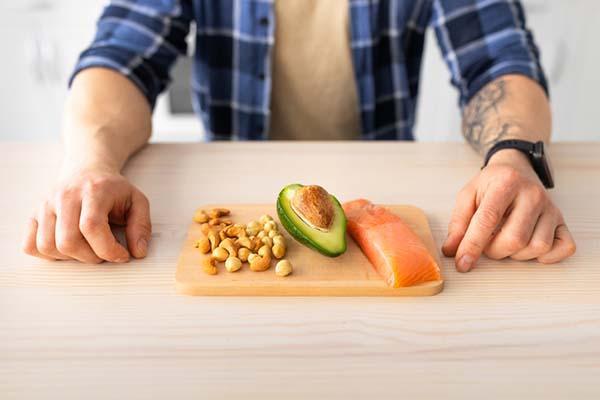
Harvard study: Healthier fats linked to longer life after prostate cancer diagnosis
A major study of survivors of nonmetastatic prostate cancer found that those eating the most saturated fat had a 24% higher risk of death over a 13-year period, mainly from heart disease and other cancers. Swapping animal fats for plant-based, unsaturated fats was linked to significantly lower risks.
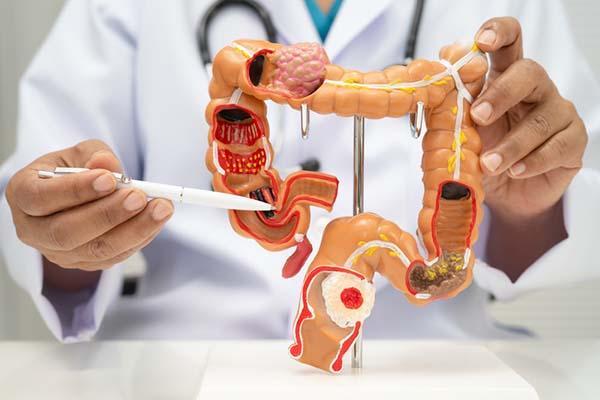
Study: At-home colorectal cancer screening may significantly cut colon cancer deaths
Colorectal cancer is a leading cause of cancer death, but early screening can detect it while it’s treatable, curable, and even preventable. A 2026 study found that use of an at-home stool test was linked to as much as a 43% reduction in colorectal cancer deaths.

Routine cancer screenings for older adults: Mammograms, colonoscopies, PSA tests, and more
Most cancer screening guidelines recommend an upper age limit to cease regular testing. But older adults should ask their doctor whether the benefits of continuing screening outweigh the risks, which may include unnecessary treatments and potentially dangerous complications.

Taking breaks from sitting to move around may lower cancer risk
A 2026 study of more than 91,000 adults found that uninterrupted sitting raised risk for death from cancer. Replacing prolonged sitting with light, moderate, or vigorous activity significantly reduced risk, suggesting frequent movement breaks may help counter harms of sedentary behavior over time.
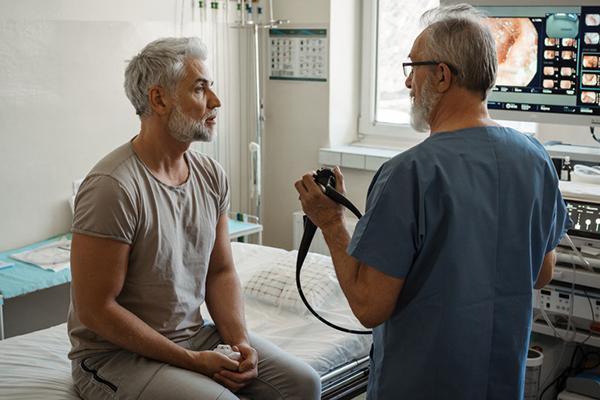
American Cancer Society expands testing recommendations for colorectal cancer screening
Early detection of colorectal cancer saves lives. Now there are more ways than ever to get screened (and fewer excuses not to). American Cancer Society screening guidelines now include colonoscopy, sigmoidoscopy, CT scanning, at-home stool testing, and blood testing.
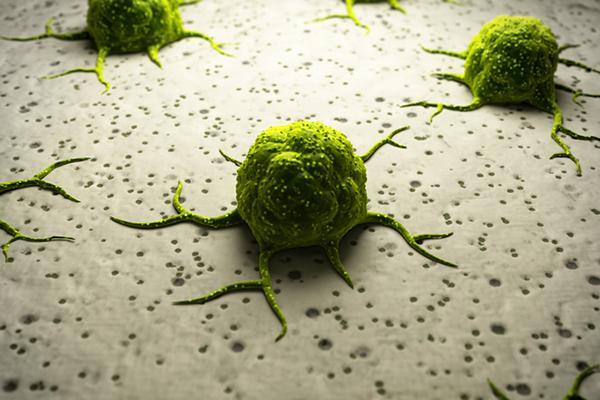
Why does cancer risk increase as we get older?
Aging is the single biggest risk factor for developing cancer. As people get older, DNA damage accumulates in cells, and chronic inflammation and imbalances in gut bacteria become more common. All of these factors may contribute to the age-related increase in cancer cases.
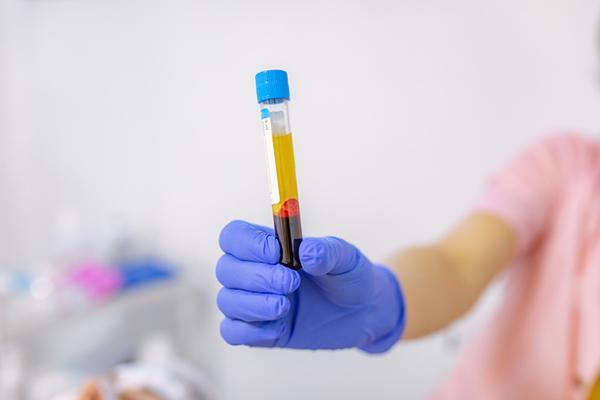
What could cause a high lymphocyte count?
An elevated lymphocyte count usually indicates a simple viral illness. Less often, it could indicate a blood cancer. How the number is calculated shapes what it may mean.
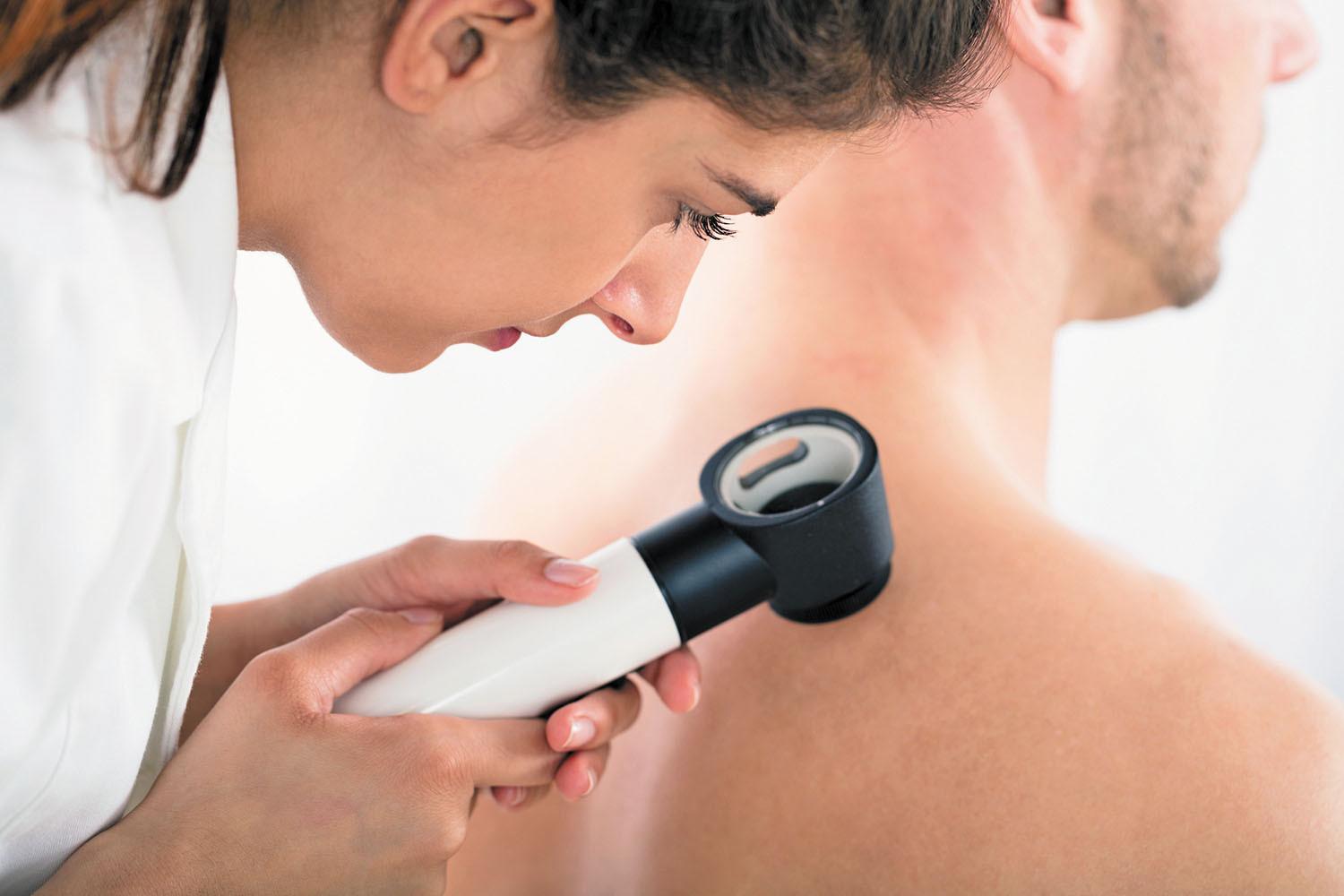
Do all skin cancers have to be removed?
Nonmelanoma skin cancers are unlikely to be life-threatening, but they can cause disfiguration and other problems. The cancers should be removed.
Using a vibration plate: What it can — and can't — do for your body
The surprising link between ovarian cancer and the fallopian tubes
People who walk more or walk faster live longer, study finds
For sleep apnea, a dental device may be as effective as CPAP
Rosacea treatments: What works?
Carb cycling: What is it, and does it work?
Salmonella, E. coli, Cyclospora, and other germs that cause food poisoning: What you need to know
Melatonin or magnesium: Can either supplement help you sleep?
Understanding orthorexia: Have your healthy eating goals gone too far?
Naturally gluten-free foods
Free Healthbeat Signup
Get the latest in health news delivered to your inbox!
Sign Up
