

Carb cycling: What is it, and does it work?

Understanding orthorexia: Have your healthy eating goals gone too far?

Melatonin or magnesium: Can either supplement help you sleep?

Salmonella, E. coli, Cyclospora, and other germs that cause food poisoning: What you need to know

Shingrix shingles vaccine linked with lower heart disease risks

Harvard study: Healthier fats linked to longer life after prostate cancer diagnosis

Naturally gluten-free foods

Stair climbing may significantly lower cardiovascular risks

Estrogen-only hormone therapy tied to lower dementia risk
Should you have a hysterectomy?
Liver health Archive
Articles
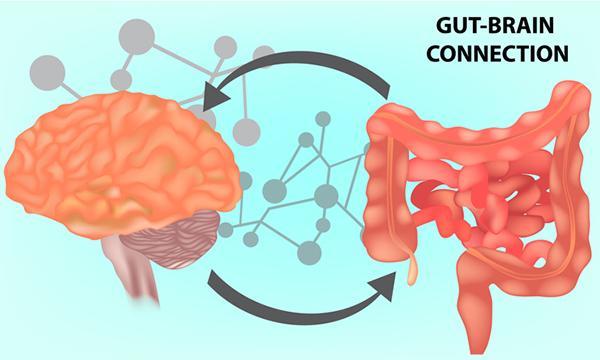
How the gut-brain connection influences mood
The brain communicates with the gastrointestinal tract through a connection scientists call the gut-brain axis. Evidence suggests that when the gut is irritated by triggers such as infection, stress, food, allergies, alcohol, or heredity, the resulting inflammation could influence mood.


5 simple ways to improve gut health
Gut health plays a bigger role in overall well-being than many people realize, affecting digestion, mood, and immunity. Simple daily choices around food, movement, sleep, stress, and hydration can support a healthier, more resilient gut.
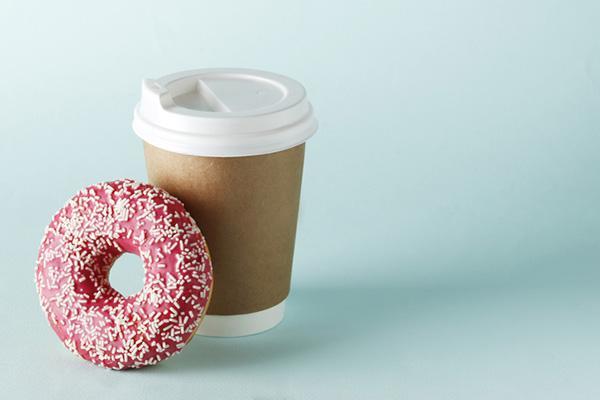
GERD diet: Foods to avoid to reduce acid reflux
Dietary changes can make a big difference for people with gastroesophageal reflux disease (GERD). Foods to limit or avoid include chocolate, onions, and tomato sauce. Adjusting eating habits-by eating smaller portions, for example-might also help people avoid heartburn and other symptoms.
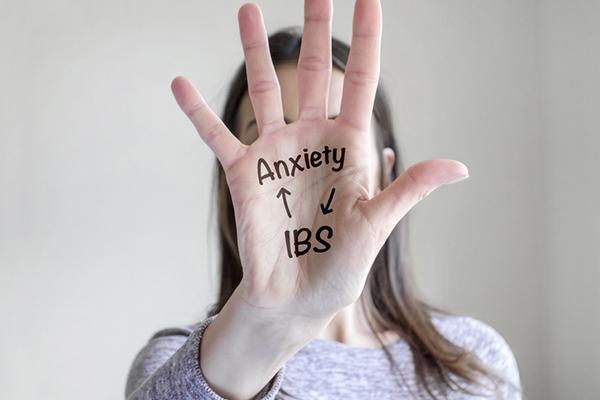
Easing the emotional burden of IBS
People with irritable bowel syndrome (IBS) often struggle with stress, anxiety, and depression. Cognitive behavioral therapy and gut-directed hypnotherapy have the strongest evidence for treating these IBS-related issues. Other interventions like aerobic exercise, yoga, acupuncture, and biofeedback also may be helpful.
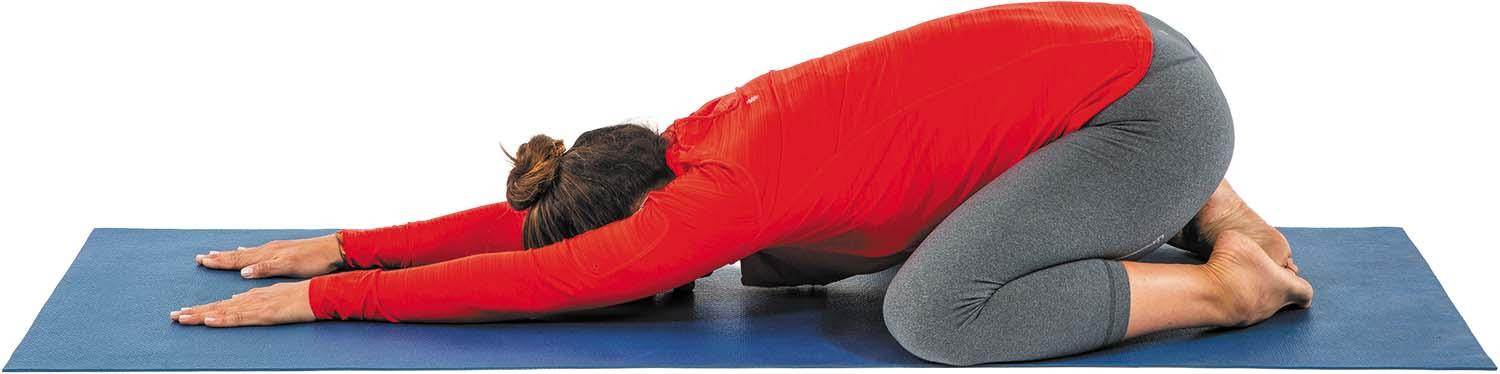
Pelvic floor exercises: Help for incontinence, sexual health, and more
Pelvic floor exercises can involve strengthening or stretching the muscles that support the bladder, bowel, and core. The exercises can lead to better bladder and bowel control. They can also help improve sexual function.
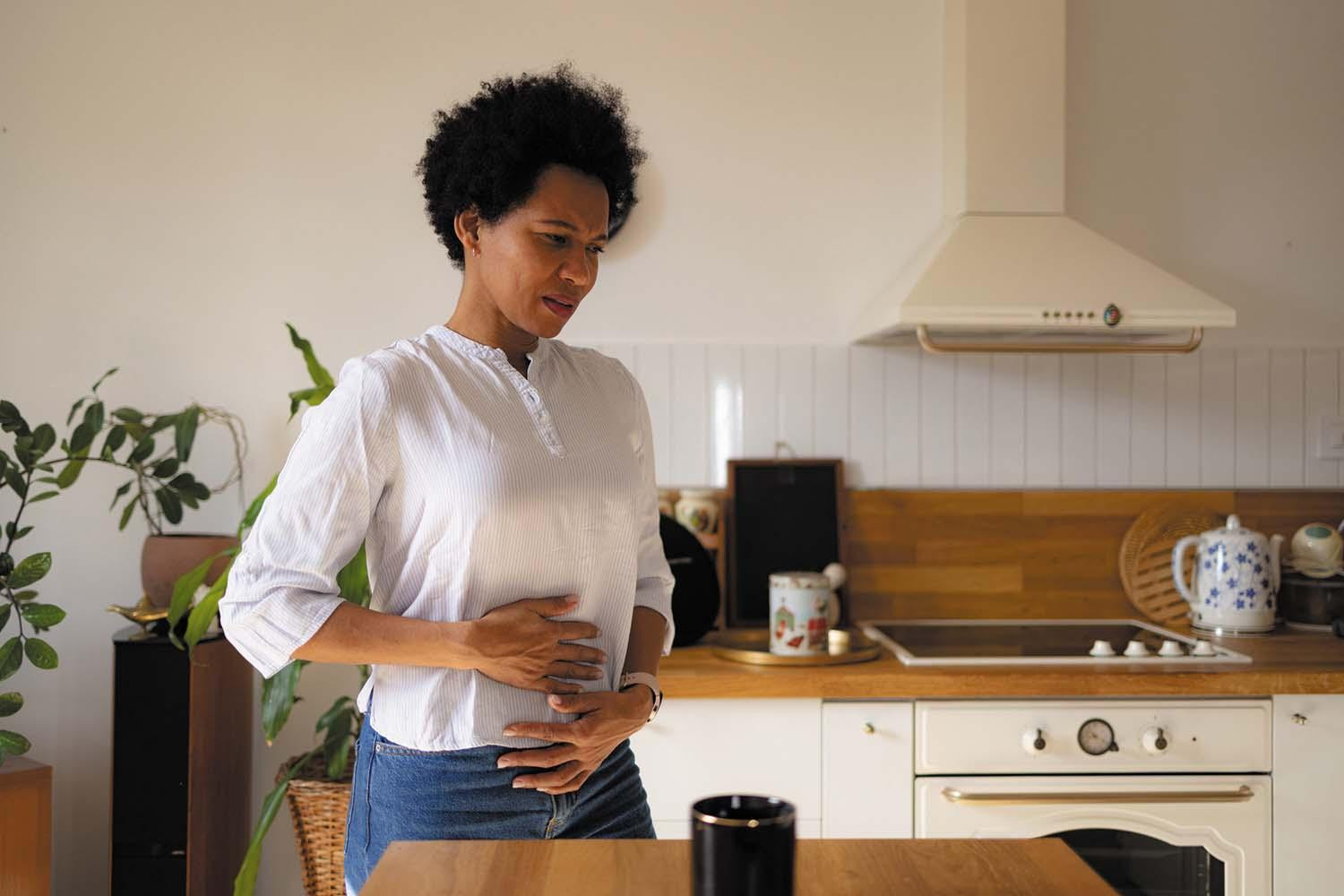
When celiac disease strikes later in life
Celiac disease is an autoimmune digestive condition triggered by gluten, a sticky protein found in grains such as wheat, barley, and rye. Celiac disease is typically diagnosed later in life, and occurs more often in women. Symptoms include intestinal distress, weight loss, rashes, fatigue, and nutrient deficiencies. Celiac patients must adopt a strictly gluten-free diet, which can be challenging after decades of eating gluten. Helpful strategies include creating gluten-free kitchen areas, buying naturally gluten-free items, and examining food labels.

How to feed your gut
The gut microbiota contains trillions of microbes, including both good and bad bacteria. Good bacteria help digest food and absorb nutrients, regulate appetite, synthesize vitamins, and support the immune system. When the gut microbiota becomes unbalanced because of an increasing number of bad bacteria, problems can arise. Keeping the gut balanced and healthy involves eating more probiotics (foods containing good bacteria) and prebiotics (foods that help existing good bacteria grow).
How to prep for a successful colonoscopy
Bowel preparation (prep) is considered the most unpleasant part of the colonoscopy process, but it's also crucial. A clean bowel helps the gastroenterologist more easily locate and remove polyps, small growths that can develop into cancer. If the prep is inadequate, the patient will have to repeat the process. Updated guidelines for gastroenterologists, published in 2025, can help them guide their patients to have more successful preps.
Carb cycling: What is it, and does it work?
Understanding orthorexia: Have your healthy eating goals gone too far?
Melatonin or magnesium: Can either supplement help you sleep?
Salmonella, E. coli, Cyclospora, and other germs that cause food poisoning: What you need to know
Shingrix shingles vaccine linked with lower heart disease risks
Harvard study: Healthier fats linked to longer life after prostate cancer diagnosis
Naturally gluten-free foods
Stair climbing may significantly lower cardiovascular risks
Estrogen-only hormone therapy tied to lower dementia risk
Should you have a hysterectomy?
Free Healthbeat Signup
Get the latest in health news delivered to your inbox!
Sign Up
