

Even a little exercise linked with lower stroke risk in people with afib

Testosterone therapy without evidence of deficiency may boost heart risk

Weight-loss drug may lower risk of heart attacks and infections

What to eat on the DASH diet

Migraine: How it's diagnosed and what that means

Tricep workouts you can do at home

Mindfulness practices to reduce stress and improve focus

Antihistamines may not offer meaningful relief from eczema symptoms

Overweight and taking blood pressure medications: Study finds it's a trend that's working

FDA approves first mRNA-based flu vaccine
LGBTQ+ health Archive
Articles

The dark side of daylight saving time
The start of daylight saving time in the spring can have a profound impact on people's well-being. Moving the clock ahead one hour can cause sleep deprivation, affect focus and concentration, and exacerbate existing problems like depression, anxiety, and seasonal affective disorder. People can lessen the effect by taking steps a week prior to the time change, such as adjusting their sleep schedule, getting more light exposure, and cutting back on caffeine and alcohol.

Parents don't always realize that their teen is suicidal
Parents often think that they would know if their teen was suicidal. However, this is not always the case. Here's what to be aware of and watch for, and what to do if you see worrisome behavior.

How to identify anxiety disorders
Some degree of anxiety is normal, but people who regularly struggle with anxiety may have an anxiety disorder. Symptoms can be linked with life changes, a medical condition, and specific situations, like a fear of heights, crowds, and social situations. Recognizing the symptoms can help people seek medical care to find the source of their anxiety and adopt appropriate treatment. Treatment might include medications, psychotherapy, or both.

A pill-free way to treat anxiety
A 2022 study found that taking a mindfulness-based stress reduction course and meditating daily was about as effective as taking medication for reducing symptoms of anxiety. Both strategies seemed to reduce anxiety by about 30% after eight weeks.

Finding a higher meaning
As people age, they are more likely to explore a religious or spiritual practice. Research has found that this type of engagement is linked to longer life and a lower risk of serious health issues. These practices also can offer comfort and support if and when a person needs to navigate difficult times.

Expectant mothers can rest easier about taking antidepressants
A 2022 study found that antidepressant use during pregnancy is not associated with problems in children's future brain health or behavior patterns. The medications were not linked to conditions such as autism, ADHD, or problems in speech, language, learning, and coordination.

Prolonged stress may increase the risk of death from cancer
People exposed to long-term stress have a higher risk of dying from cancer, according to a 2022 study. The connection may be related to high levels of the stress hormone cortisol.

Reviewing your wellness portfolio
As with a financial portfolio, older adults should routinely review their wellness portfolio to ensure their health investments meet their short-and long-term goals. Working with their doctor, personal trainer, and nutritionist, they can identify areas that require changes and implement new strategies. Older men often don't make investments in strength training, balance, and their mental health, but should.
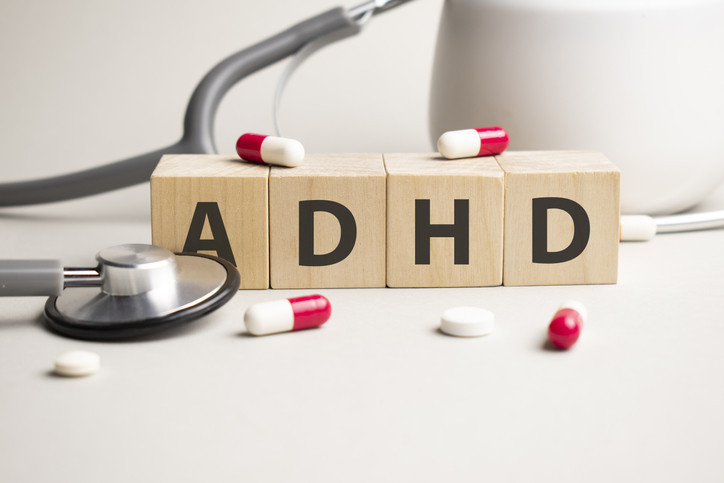
Attention deficit disorder linked to higher heart disease risk
People with attention-deficit hyperactivity disorder, a condition marked by trouble focusing and impulsive behavior, may be more likely to have cardiovascular disease that people without the disorder.

Eating disorders in midlife
By age 40, one in five women has dealt with an eating disorder, twice the proportion of women known to be affected by age 21. Risks for anorexia, bulimia, and binge eating can rise at midlife due to job stressors, an empty nest, and dating again after divorce or widowhood. Health effects can include bone loss, heart problems, lung conditions, gastrointestinal issues, diabetes, and skin breakdown. Signs of an eating disorder include dramatic weight fluctuations, excessive exercising, and preoccupation with weight, calories, and body size and shape.
Even a little exercise linked with lower stroke risk in people with afib
Testosterone therapy without evidence of deficiency may boost heart risk
Weight-loss drug may lower risk of heart attacks and infections
What to eat on the DASH diet
Migraine: How it's diagnosed and what that means
Tricep workouts you can do at home
Mindfulness practices to reduce stress and improve focus
Antihistamines may not offer meaningful relief from eczema symptoms
Overweight and taking blood pressure medications: Study finds it's a trend that's working
FDA approves first mRNA-based flu vaccine
Free Healthbeat Signup
Get the latest in health news delivered to your inbox!
Sign Up
