

Even a little exercise linked with lower stroke risk in people with afib

Testosterone therapy without evidence of deficiency may boost heart risk

Weight-loss drug may lower risk of heart attacks and infections

What to eat on the DASH diet

Migraine: How it's diagnosed and what that means

Tricep workouts you can do at home

Mindfulness practices to reduce stress and improve focus

Antihistamines may not offer meaningful relief from eczema symptoms

Overweight and taking blood pressure medications: Study finds it's a trend that's working

FDA approves first mRNA-based flu vaccine
Integrative therapies Archive
Articles

Easier ways to take non-pill medications
Some medications, such as eye drops or inhalers, can be used with gadgets that make taking them easier. The devices might be especially helpful for someone with shaky or weak hands. Examples of gadgets that might help include eye drop guides, injection aids, inhaler spacers, and tube squeezers. The guides can help improve one’s grip, aim, or ability to squeeze out medication. Having better control may help a person take the correct amount of the drug.

Drug recalls are common
In the last 10 years, an average of four drug recalls a day have occurred in the US. Drug recalls happen for a number of different reasons, and while they are common, most are not for dangerous or life-threatening issues.

Heart failure: Reduced vs. preserved pumping
In about half of all cases of heart failure, the heart’s muscles are thin and weak, so the heart can’t pump very well. In the other cases, the muscles are thick and stiff, which prevents the heart from relaxing normally to fill with blood.

The trouble with new drugs
After a drug is approved by the FDA, unexpected safety problems may be discovered. Depending on the level of concern, different safety warnings may be issued –– including a black box warning designed to call attention to serious or life-threatening side effects.
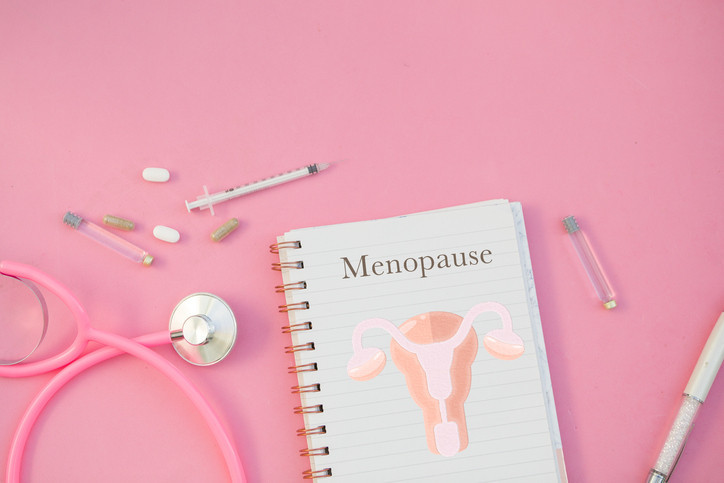
National task force updates recommendations on hormone therapy after menopause
Updated national guidelines on hormone therapy after menopause recommend that women use it only for relief of menopause-related symptoms, not to prevent chronic conditions that become likelier with age.

Stopping unneeded aspirin may prevent dangerous bleeding
Some people who take the anti-clotting drug warfarin (Coumadin) may not need to take low-dose aspirin. Stopping unneeded aspirin use may prevent dangerous bleeding.

Statins vs. supplements: A reckoning
A 2022 study found that a statin drug lowers LDL cholesterol better than six popular dietary supplements. While not everyone with high LDL needs a statin, these drugs are proven to lower heart attack risk in people who have or are at high risk of heart disease based on a common risk calculator. Dietary supplements such as cinnamon, garlic, and turmeric aren't helpful for addressing heart-related risks, and product labels often offer false promises regarding cardiovascular benefits.

The new diabetes drugs: Your best shot for weight loss?
Several drugs originally developed to treat type 2 diabetes can help people shed as much as 20% of their body weight—far more than other anti-obesity drugs. Known as incretin mimetics, they also improve blood pressure and cholesterol levels. Up to half of all new-onset diabetes cases in this country are linked to obesity, a disease that now affects more than 40% of Americans. Both conditions are closely linked to cardiovascular disease.

What happens when a drug goes viral?
| After celebrities touted its weight loss benefits, high demand put the diabetes medication Ozempic in short supply. Learn more about what this means for people with diabetes. |

Take arms against perplexing pain
Pain in the shoulder, elbow, or wrist without obvious injury is common. Possible causes include arthritis, bursitis, frozen shoulder, rotator cuff tear, tendinitis, or nerve compression in the carpal tunnel or the cubital tunnel. Home remedies include rest, ice, compression, or elevation; over-the-counter anti-inflammatory pain relievers; and devices such as a splint or brace. Other treatments include physical therapy or steroid injections. Surgery is usually a last resort.
Even a little exercise linked with lower stroke risk in people with afib
Testosterone therapy without evidence of deficiency may boost heart risk
Weight-loss drug may lower risk of heart attacks and infections
What to eat on the DASH diet
Migraine: How it's diagnosed and what that means
Tricep workouts you can do at home
Mindfulness practices to reduce stress and improve focus
Antihistamines may not offer meaningful relief from eczema symptoms
Overweight and taking blood pressure medications: Study finds it's a trend that's working
FDA approves first mRNA-based flu vaccine
Free Healthbeat Signup
Get the latest in health news delivered to your inbox!
Sign Up
