

Naturally gluten-free foods

Harvard study: Healthier fats linked to longer life after prostate cancer diagnosis

Shingrix shingles vaccine linked with lower heart disease risks

Estrogen-only hormone therapy tied to lower dementia risk

Should you have a hysterectomy?

Stair climbing may significantly lower cardiovascular risks

Why do I sweat so much?

Walking pneumonia: The "mild" illness that can still pack a punch

What causes knee pain: How doctors make a diagnosis
Where you carry excess weight matters in predicting heart disease risk
Injuries Archive
Articles
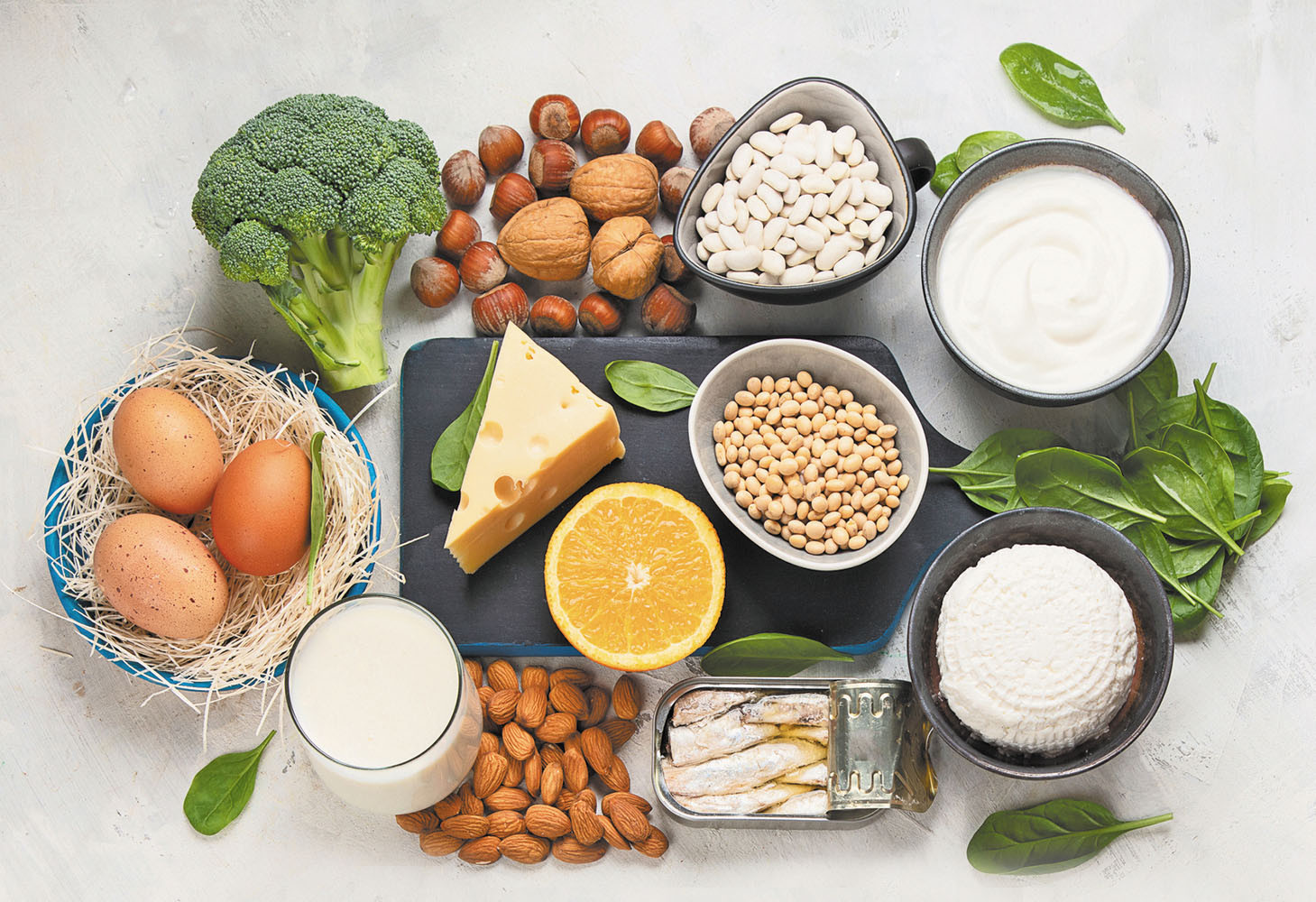
Essential nutrients your body needs for building bone
Older adults must pay special attention to their intakes of calcium, vitamin D, and protein. These important nutrients are crucial for maintaining bone health. Doctors say it's probably best to take a supplement to get enough vitamin D. Calcium and protein are best when they come from foods, such as canned salmon with bones, sardines, beans, dairy products (cheese, yogurt, cottage cheese, milk), leafy greens, or nuts. Other important nutrients for bone health, such as magnesium, phosphorous, and potassium, can be obtained by simply eating a diet rich in fruits, vegetables, legumes, nuts, seeds, and lean proteins.

Watch out for these balance busters
Many factors can impair balance and lead to falls, such as vision, hearing, or joint problems; medication side effects; and environmental hazards. To improve balance and reduce the risk for falls, one can remove fall hazards from the home, treat underlying conditions that increase fall risk, consider adjusting medications that affect balance, get physical therapy, use an assistive walking device, wear supportive shoes that hold the feet in place, and frequently challenge balance with balance exercises.

The heel problem that threatens your mobility
Thick, dead skin patches (calluses) on the heels sometimes become cracked. The condition, known as cracked heels, makes it hard to walk and increases the risk for infection, since cracks open the door for bacteria to enter the body. If infected, cracked heels can turn into foot wounds that become hard to heal, especially in people with diabetes or peripheral artery disease who have poor circulation in their legs and feet.

Casing the joints

Take on chronic pain where it lives

Chronic inflammation and your joints

Easing summer swelling

Tendon trouble in the hands: de Quervain's tenosynovitis and trigger finger
Painful conditions like de Quervain's tenosynovitis, inflammation of the tendons that move the thumb, and stenosing tenosynovitis, or trigger finger, when a digit becomes locked, can develop due to overuse or repetitive movement.

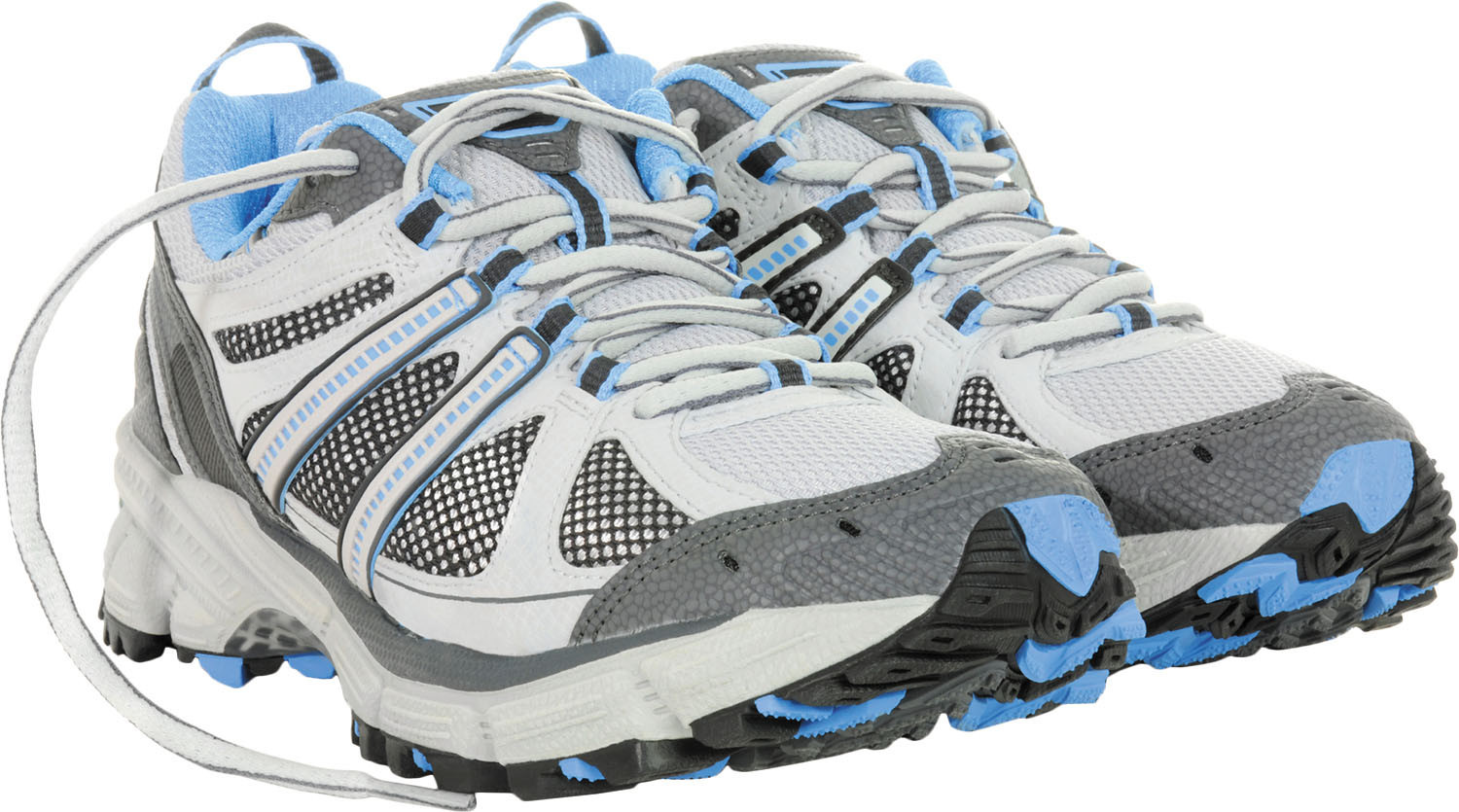
Study finds these shoes are better at keeping knee pain in check
News briefs
When you have knee pain, you just want it to go away so you can walk without having to limp or wince with every step. And a small, randomized trial published online Jan. 12, 2021, by Annals of Internal Medicine found that one type of shoe might be best for the job. Researchers took 164 people ages 50 or older with moderate or severe knee arthritis and randomly assigned half of the group to wear stable, supportive shoes with thick soles that didn't bend much. The other half was assigned flat shoes with thin, flexible soles, which are believed by some to provide a benefit by allowing more natural movement of the leg and foot. Both groups wore their assigned shoes for six hours per day and took part in activities such as walking during that time. After six months, 58% of people in the stable, supportive shoe group reported a reduction in knee pain while walking, compared with 40% of people reporting pain reduction after wearing the flat, flexible shoes. In both groups, the pain reduction probably was a benefit of regular walking. The people wearing flexible shoes were also twice as likely to develop ankle or foot pain, compared with those wearing sturdy shoes. So if you have knee pain, keep walking — in sturdy shoes.
Image: © chictype/Getty Images
Naturally gluten-free foods
Harvard study: Healthier fats linked to longer life after prostate cancer diagnosis
Shingrix shingles vaccine linked with lower heart disease risks
Estrogen-only hormone therapy tied to lower dementia risk
Should you have a hysterectomy?
Stair climbing may significantly lower cardiovascular risks
Why do I sweat so much?
Walking pneumonia: The "mild" illness that can still pack a punch
What causes knee pain: How doctors make a diagnosis
Where you carry excess weight matters in predicting heart disease risk
Free Healthbeat Signup
Get the latest in health news delivered to your inbox!
Sign Up
