

People who walk more or walk faster live longer, study finds

Rosacea treatments: What works?

For sleep apnea, a dental device may be as effective as CPAP

Carb cycling: What is it, and does it work?

Salmonella, E. coli, Cyclospora, and other germs that cause food poisoning: What you need to know

Understanding orthorexia: Have your healthy eating goals gone too far?

Melatonin or magnesium: Can either supplement help you sleep?

Harvard study: Healthier fats linked to longer life after prostate cancer diagnosis

Naturally gluten-free foods

Shingrix shingles vaccine linked with lower heart disease risks
Heart Health Archive
Articles

High cholesterol may be risky for your eyes
Research we're watching
Got a high cholesterol reading? You may have a higher risk for a dangerous eye condition called glaucoma, according to a recent study published online May 2 by JAMA Ophthalmology. The condition, characterized by pressure in the eye that can damage the optic nerve, can lead to vision loss.
The study looked at 866 cases of primary open-angle glaucoma, the most common type of glaucoma, among more than 136,000 study participants who were followed for 15 or more years. Participants provided researchers with updates on statin use and cholesterol levels every other year throughout the study period. After analyzing the information, study authors found that for every 20-point increase in total cholesterol there was a 7% increase in glaucoma risk. But the use of cholesterol-lowering statin drugs seemed to reduce risk. People who used statins for five years or longer had a 21% lower risk of developing glaucoma.

Skip vitamins, focus on lifestyle to avoid dementia
News briefs
Vitamins and supplements won't help stave off dementia, but a healthy lifestyle might, suggest new guidelines released May 19, 2019, by the World Health Organization (WHO). The WHO warns that the number of new dementia cases around the world — currently 10 million per year — is set to triple by 2050. While there's no cure for any kind of dementia (such as Alzheimer's disease and vascular dementia), the WHO says it may be possible to delay the onset of the disease or slow its progression. The key: managing modifiable risks, such as chronic disease and unhealthy habits. The guidelines recommend that you keep your weight, cholesterol, blood pressure, and blood sugar under control; get lots of exercise; and eat a Mediterranean-style diet (which emphasizes olive oil, fruits, vegetables, nuts, and fish; minimizes red meats and processed meats; and includes a moderate amount of cheese and wine). The WHO also advises that you don't smoke and you avoid harmful use of alcohol (no more than one drink per day for women, no more than two drinks for men). But don't count on supplements to help you stave off dementia. The WHO says there's no evidence that vitamin B, vitamin E, multivitamins, or fish oil supplements help reduce the risk for dementia. The agency recommends against using supplements as a means to ward off cognitive decline.
Image: © kali9/Getty Images

Soy protein helps lower bad cholesterol a small but important amount
In the journals
Another way to lower LDL (bad) cholesterol levels? Eat more soy protein, suggests a study published online April 22, 2019, by The Journal of Nutrition.
Researchers examined 43 trials to evaluate the effect soy had on LDL levels. (High LDL levels can lead to a buildup of cholesterol in arteries and increase a person's risk of cardiovascular disease.)
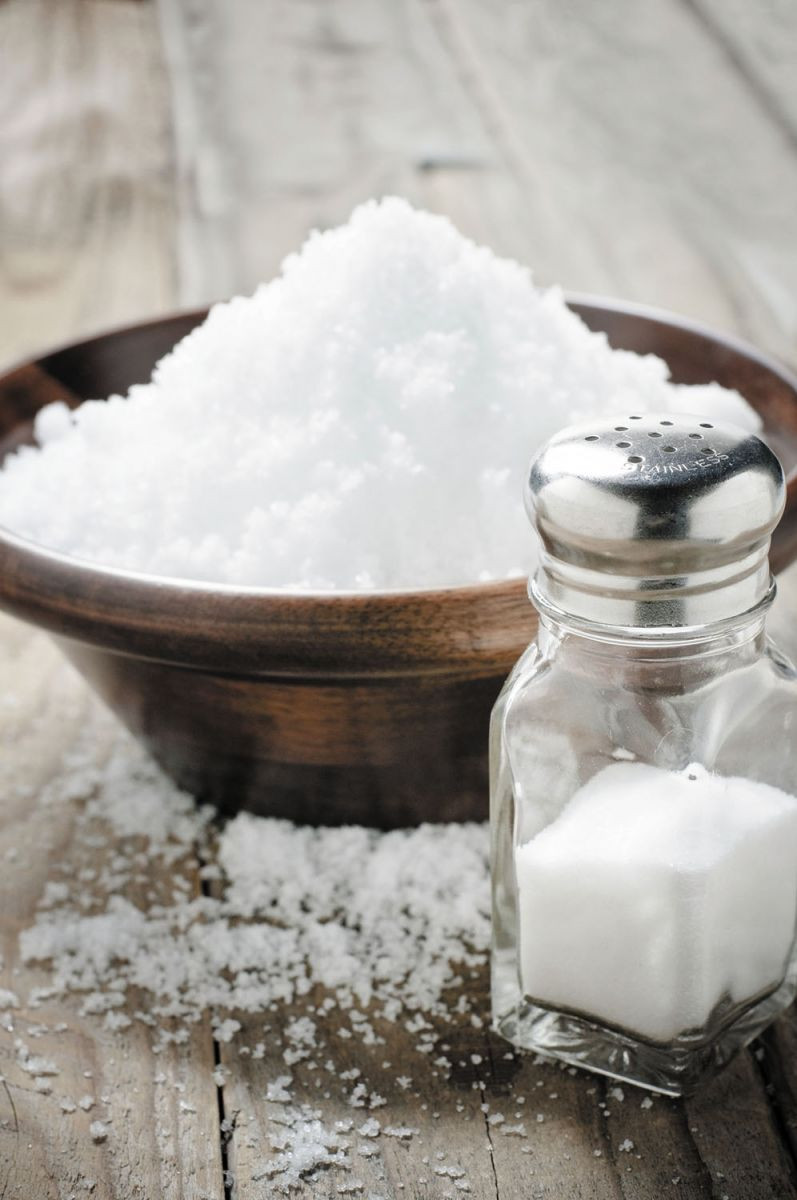
Salt sensitivity: Sorting out the science
Eating too much salt usually boosts blood pressure, but not in everyone. Understanding the genetic basis of these differences may improve treatment of high blood pressure.
Do you know someone who eats lots of salty food — pizza, pickles, pretzels, and the like — but has naturally low blood pressure? That person may be salt-resistant, which means his or her blood pressure doesn't rise very much in response to a diet high in salt (sodium chloride). In contrast, other people are salt-sensitive, which means their blood pressure rises by 5 points or more if they switch from a low-sodium to a high-sodium diet.
Unfortunately, there isn't an easy test to determine who is salt-sensitive, says endocrinologist Dr. Gordon Williams, professor of medicine at Harvard Medical School. "Still, we know that Americans eat far more salt than they actually need, so it makes sense to advise everyone cut back on salt," he says.
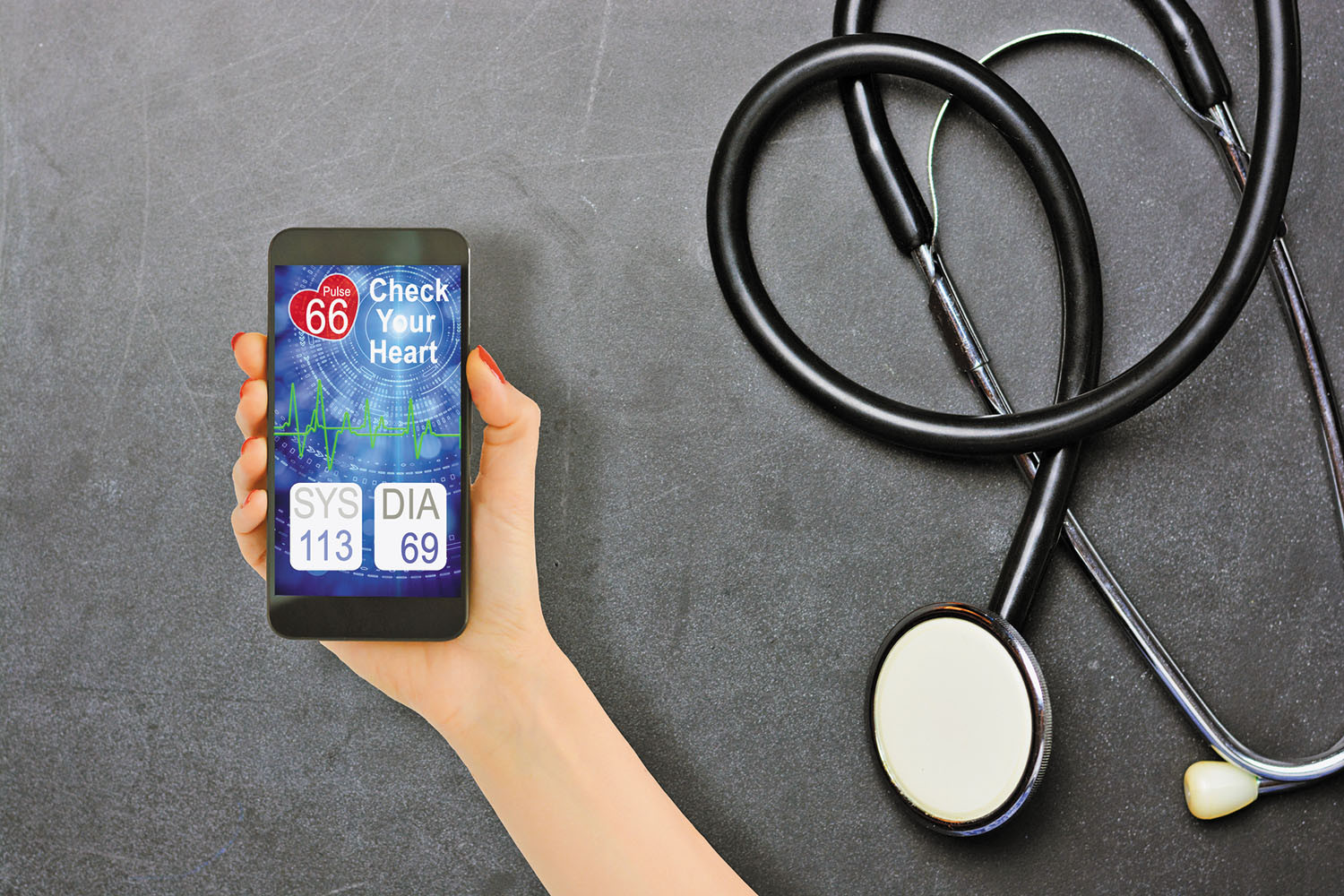
Smartphone apps for managing heart disease
Apps that pair with devices that record data may help your doctor fine-tune your treatment.
Health-related smartphone apps are a dime a dozen, but some are more sophisticated than others. Of special interest for people with heart disease are apps that pair with devices that measure your blood pressure, your heart's electrical activity, or your weight. Data from these apps may help doctors make faster and better informed treatment decisions for their patients, says Dr. Eric Isselbacher, who heads the Healthcare Transformation Lab at Harvard-affiliated Massachusetts -General Hospital.
App acceptability
Contrary to popular belief, the 65-plus crowd is comfortable using apps, says Dr. Isselbacher, who co-authored a recent study looking at the willingness of heart patients to use apps and related technologies. Compared with millennials, older people have been slower to adopt and adjust to smartphone apps. But now that they're using them for ride-hailing services and the like, they recognize that apps are actually pretty simple to use.
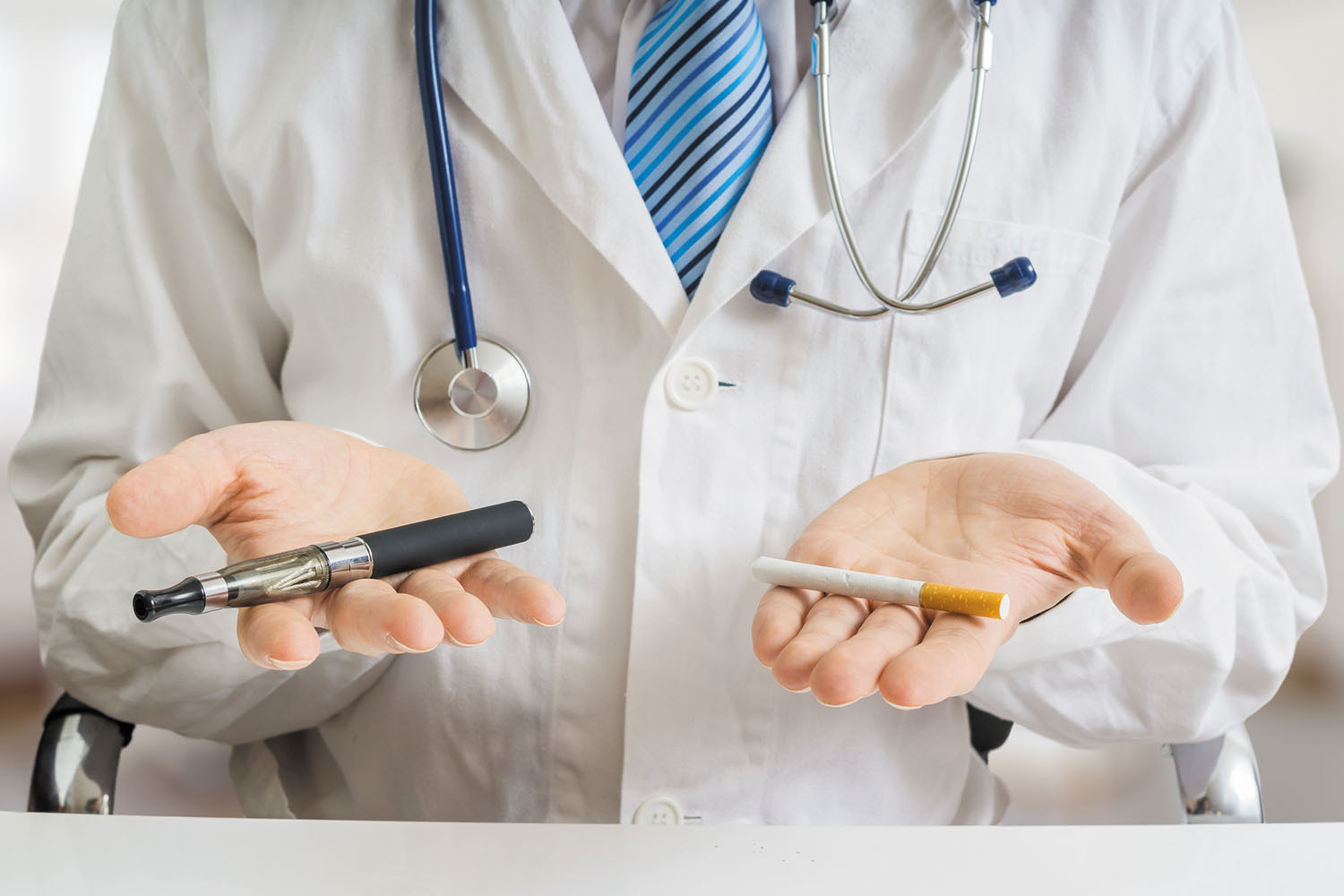
E-cigarettes: Hazardous or helpful?
Their efficacy as a tool for quitting regular cigarettes and their long-term safety remain concerning.
Even if you never touch cigarettes, you probably know someone who does (or did) smoke. Nearly half of Americans smoked in the mid-1960s, compared with just 14% today. Still, cigarette smoking is responsible for nearly one in five deaths in the United States, and about one-third of those are due to heart disease.
What about electronic cigarettes (e-cigarettes), the latest smoking trend? These battery-operated devices heat up a liquid, creating a vapor that users inhale and exhale, a practice known as "vaping." Although e-cigarettes were initially targeted to young people, more recent ad campaigns feature middle-aged, long-time smokers who have switched to vaping. Is vaping safer than smoking, especially from a cardiovascular perspective? And can these products help people quit regular cigarettes?
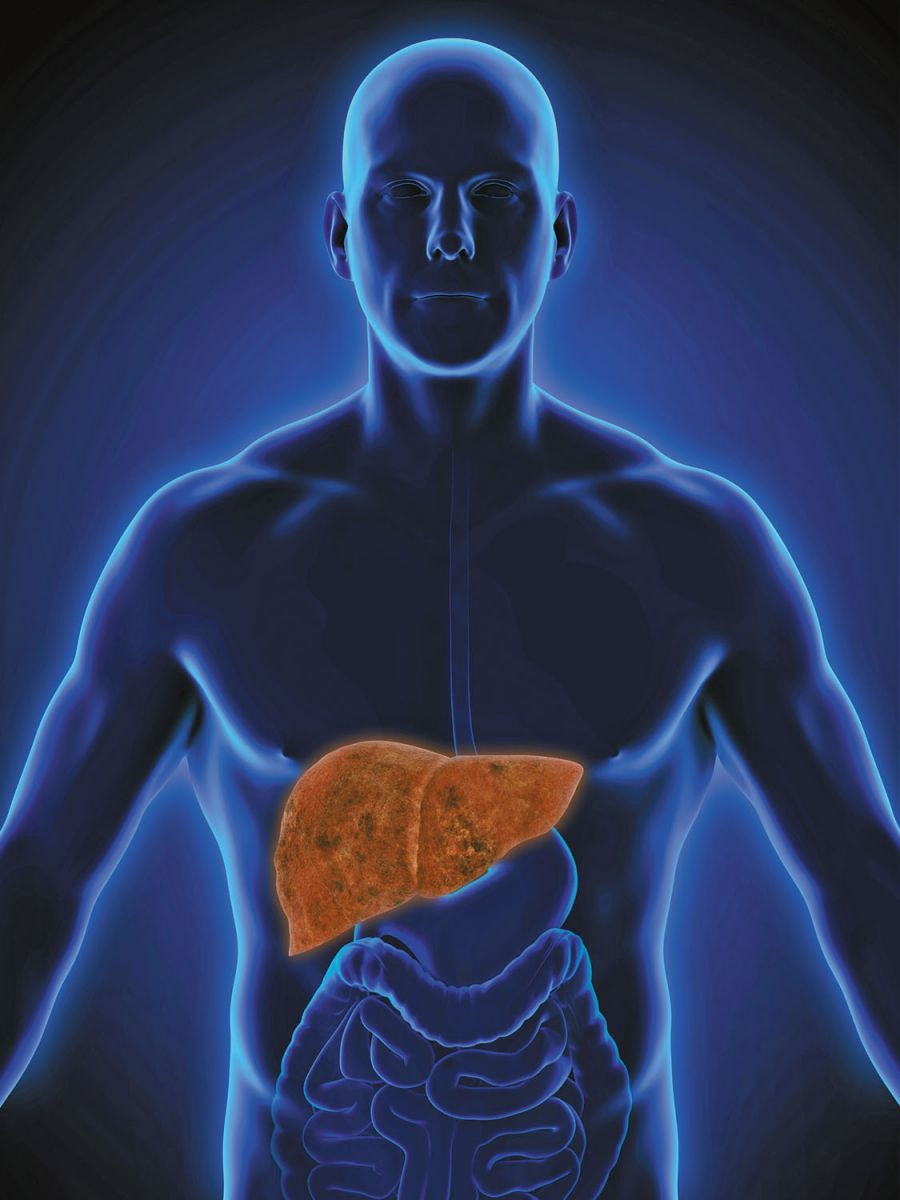
Fatty liver disease: An often-silent condition linked to heart disease
These two common conditions have many overlapping risk factors, but they both respond to healthy lifestyle changes.
The biggest organ inside your body, your liver, lies just below and to the right of your heart. This powerhouse organ performs many vital roles in the body, including processing cholesterol and making proteins that help your blood clot. But as many as one in four Americans has a potentially dangerous accumulation of fat inside the liver. This condition, known as non-alcoholic fatty liver (NAFL), often goes hand in hand with obesity and diabetes. Both of those conditions boost the risk of heart disease, and growing evidence also links NAFL with cardiovascular problems.
"The connection between fatty liver and early signs of plaque in the coronary arteries is increasingly compelling," says Dr. Tracey Simon, a hepatologist at Harvard-affiliated Massachusetts General Hospital (MGH). Excess fat around the liver and other organs in the abdomen—known as abdominal obesity — is another likely related problem. In fact, abdominal obesity seems to accelerate the progression of fatty liver to a more serious form of the problem, nonalcoholic steatohepatitis, or NASH (see "The many faces of fatty liver disease").

Legume of the month: Pinto beans
The most commonly eaten type of bean in the United States, pinto beans are especially popular in southern states, where they may be known as frijoles (Spanish for "beans") or cowboy beans. These oval, tan-colored beans are mottled with reddish-brown streaks, making them appear painted (pinto means "painted" in Spanish).
Once they're cooked, the colored splotches disappear, leaving a light-brown bean with a soft, creamy texture. In Mexico, Central America, and South America, pintos are cooked with epazote, an herb that purportedly helps reduce the flatulence-producing properties of these and other beans. Another tip for avoiding that problem is to add beans to your diet gradually and eat them regularly.

Step lively to a longer life?
Research we're watching
People who walk at a brisk clip may live longer than those who walk slowly — regardless of how much they weigh, a new study finds.
Researchers looked at data from nearly 475,000 adults in the United Kingdom Biobank study, which recruited middle-aged participants from 2006 to 2010. The participants, most of whom were slightly overweight, were asked to describe their usual walking pace as slow, average, or brisk.

A diet that may stave off heart failure
Research we're watching
A plant-focused diet long touted for its ability to lower blood pressure may also help prevent heart failure, according to a new study.
The DASH diet, which stands for Dietary Approaches to Stop Hypertension, emphasizes fruits, vegetables, whole grains, low-fat dairy products, poultry, fish, and nuts while minimizing salt, sugar, and red meat consumption.
People who walk more or walk faster live longer, study finds
Rosacea treatments: What works?
For sleep apnea, a dental device may be as effective as CPAP
Carb cycling: What is it, and does it work?
Salmonella, E. coli, Cyclospora, and other germs that cause food poisoning: What you need to know
Understanding orthorexia: Have your healthy eating goals gone too far?
Melatonin or magnesium: Can either supplement help you sleep?
Harvard study: Healthier fats linked to longer life after prostate cancer diagnosis
Naturally gluten-free foods
Shingrix shingles vaccine linked with lower heart disease risks
Free Healthbeat Signup
Get the latest in health news delivered to your inbox!
Sign Up
