

Healing after food poisoning

What is tempeh? Benefits, nutrition, and how to use it

Light exposure at night may raise risk for heart disease

Whole grains may improve several heart risk factors at once

A lumbar belt may help ease low back pain

Children of centenarians may stay healthier and live longer too, study finds

Signs of pneumonia: Sometimes vague and unexpected

The surprising link between ovarian cancer and the fallopian tubes

Using a vibration plate: What it can — and can't — do for your body

People who walk more or walk faster live longer, study finds
Heart Disease Archive
Articles

After the baby grows up, how will your heart fare?
Pregnancy and reproductive complications, including high blood pressure, diabetes, pre-eclampsia, infertility, and stillbirth, are linked with higher cardiovascular risks in affected women many years later. Such complications affect 5% to 10% of pregnancies and are rising as obesity rates increase and more women postpone pregnancy. Ongoing preventive care and screenings are crucial for women who experienced pregnancy complications to monitor blood pressure, cholesterol, and blood sugar levels and treat any irregularities aggressively.
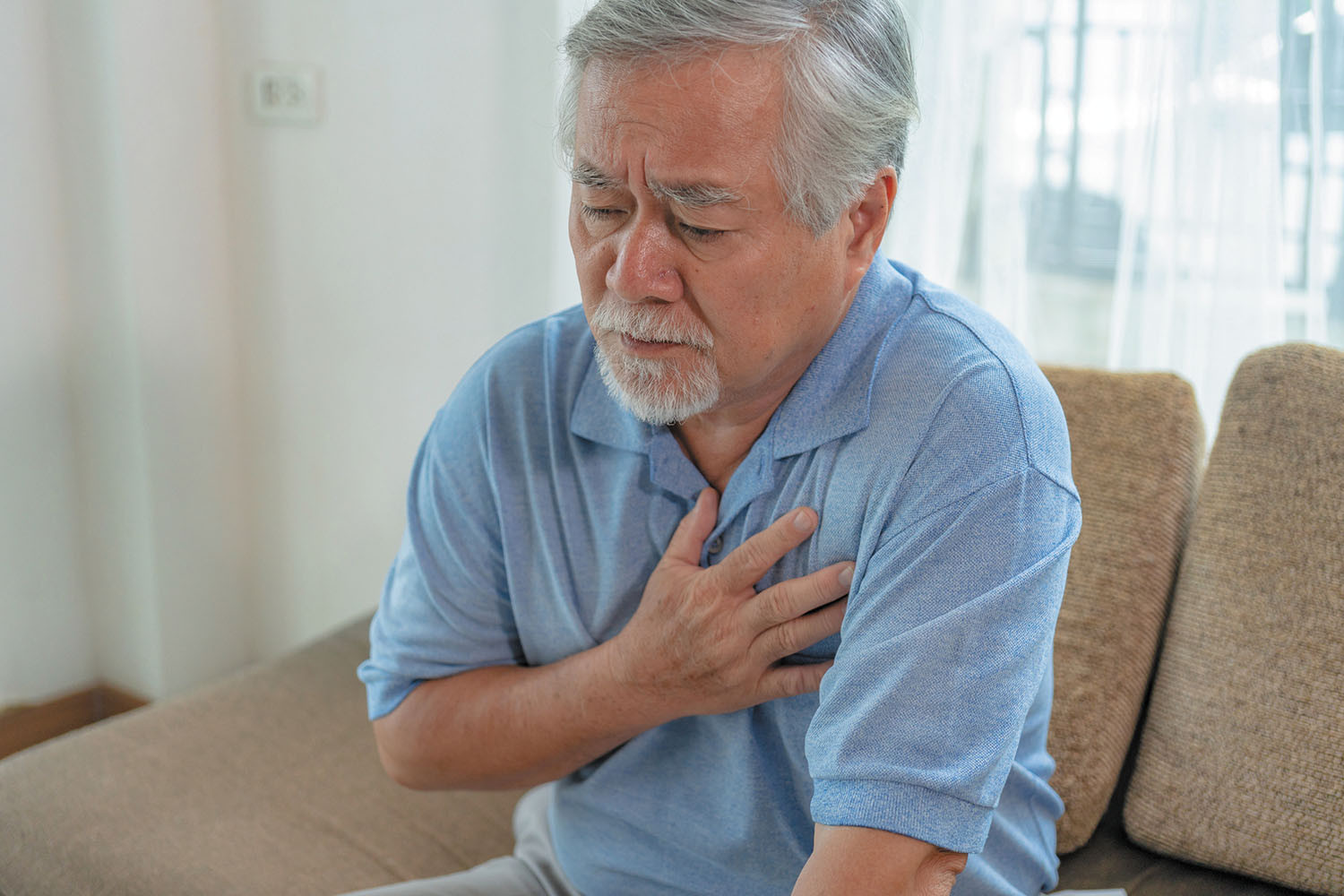
Heart attacks strike in different ways
There are two different mechanisms by which most heart attacks happen. Both are related to insufficient blood flow to an area of the heart, most often secondary to fatty plaque buildup in coronary arteries. Chest pain remains the most common heart attack symptom, but others are often subtle, and the underlying process causing the heart attack can differ. It's important for people to recognize the different signs of heart attacks, so they know when to seek immediate medical care.

Men, women, and red meat risk: Maybe both sexes should put down the burger
A 2023 review of 70 studies found that both unprocessed and processed red meat are linked to higher risks of cardiovascular disease and diabetes, with no apparent difference in risk between men and women.

To elevate your exercise routine, take a hike
Hiking can promote cardiovascular health by building lower-body strength and boosting the heart rate, especially if the route involves elevation changes. Using poles can provide stability, especially during the downhill stretches. Using poles also helps strengthen the muscles of the upper body and may increase the number of calories burned during a hike.

Heart-healthy eating: How does your diet stack up?
Four eating patterns—including the DASH, Mediterranean, pescatarian, and vegetarian diets—align most closely with recommendations for a heart-healthy diet, according to a 2023 scientific statement from the American Heart Association. These diets limit saturated fat and excess carbohydrates, especially highly processed carbohydrates and sugary drinks. Evidence supporting these diets comes from decades of randomized trials, population-based studies, and other research.

Nitroglycerin pills for angina: Is there another option?
A spray version of nitroglycerin (a drug used to treat angina) is just as effective as the under-the-tongue pill version of the drug. The spray also has a longer shelf life.

Calm your anxious heart
Anxiety disorders promote the stress response, which influences the same brain systems that affect cardiovascular functions.

Don't be fooled by TIA symptoms
Ignoring the warning signs of a ministroke can lead to a major stroke at a later time. People should be evaluated right away for symptoms such as speech and vision problems or weakness in an arm or leg.

Having one chronic condition can boost the risk for others
Many chronic conditions seem to be related. Examples include obesity, high blood pressure, type 2 diabetes, high cholesterol, and heart disease; hearing loss and dementia; obstructive sleep apnea and high blood pressure; various autoimmune diseases; and obesity and joint problems. People with chronic conditions should ask their doctors about the risk for associated diseases.In some cases, they should have certain health screenings to check for them. In other cases, additional screening isn't automatic.

The (almost) last word on alcohol and health
Research into the health benefits of alcohol has not provided a clear answer. Some findings suggest that alcohol helps protect against heart disease and lowers the risk of heart attacks and strokes, and drinkers tend to live longer than nondrinkers. Other studies say these benefits are less clear. If you don't drink alcohol now, there are no health reasons to start drinking. If you do enjoy it, it's best to have no more than 2 drinks in the same day.
Healing after food poisoning
What is tempeh? Benefits, nutrition, and how to use it
Light exposure at night may raise risk for heart disease
Whole grains may improve several heart risk factors at once
A lumbar belt may help ease low back pain
Children of centenarians may stay healthier and live longer too, study finds
Signs of pneumonia: Sometimes vague and unexpected
The surprising link between ovarian cancer and the fallopian tubes
Using a vibration plate: What it can — and can't — do for your body
People who walk more or walk faster live longer, study finds
Free Healthbeat Signup
Get the latest in health news delivered to your inbox!
Sign Up
