

Healing after food poisoning

What is tempeh? Benefits, nutrition, and how to use it

Light exposure at night may raise risk for heart disease

Whole grains may improve several heart risk factors at once

A lumbar belt may help ease low back pain

Children of centenarians may stay healthier and live longer too, study finds

Signs of pneumonia: Sometimes vague and unexpected

The surprising link between ovarian cancer and the fallopian tubes

Using a vibration plate: What it can — and can't — do for your body

People who walk more or walk faster live longer, study finds
Heart Disease Archive
Articles
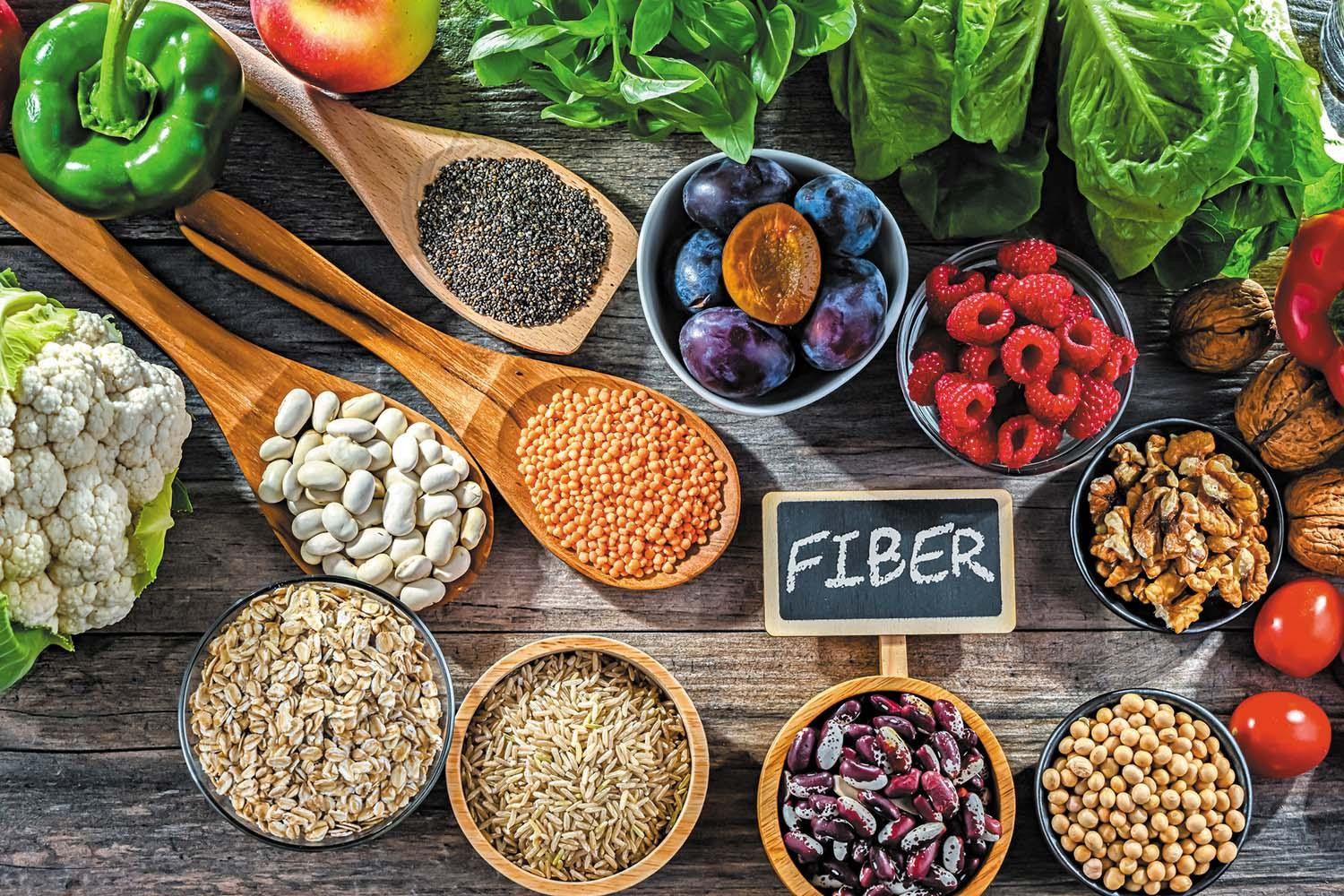
Fiber-rich diets may lower the risk of stroke
People whose average daily diets included at least 18 grams of fiber were less likely to have a stroke than those who ate less fiber, according a 2025 study.

New drug shows promise for stubbornly high blood pressure
A 2025 suggests that an experimental drug called lorundrostat may be an effective add-on therapy for high blood pressure that has not responded to medication. The drug works by reducing aldosterone, a hormone that helps regulate blood pressure.
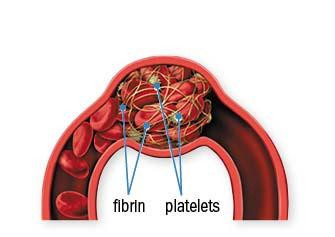
What's new in blood clot prevention?
If a blood clot lodges in an artery or vein, it can choke off blood flow to the heart, brain, or lung. Often called blood thinners, anti-clotting drugs play a big role in treating heart disease. But they can cause minor (and sometimes serious) bleeding, ranging from nosebleeds to bleeding inside the brain. New solutions to balance clot prevention and excess bleeding are in the works, including low-dose drug combinations and new medications.

Are hot flashes a warning sign?
Menopausal hot flashes and night sweats, called vasomotor symptoms, are linked in research to higher odds of dementia and cardiovascular disease. But studies don't necessarily account for other health and lifestyle factors that influence brain and heart health. Women who are physically active and have a lower body mass index are less likely to become cognitively impaired. Disrupted sleep, which is common for women with vasomotor symptoms, may also contribute to cardiovascular and cognitive problems.
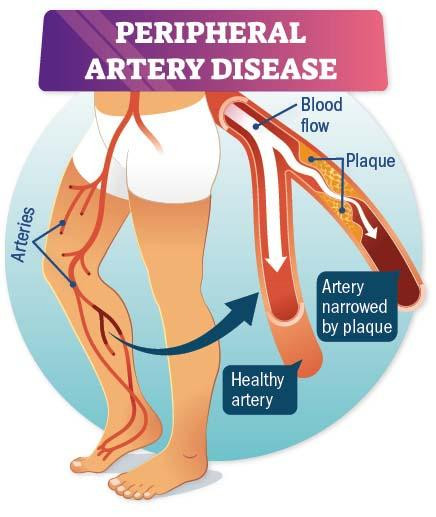
A new approach to peripheral artery disease
A 2025 randomized controlled trial found that GLP-1 receptor agonists, the blockbuster drugs approved to treat diabetes and obesity, boosted the walking ability of people with diabetes and peripheral artery disease (PAD) in the legs. The news is encouraging, since there are few effective treatments for PAD-reduced blood flow in the limbs that leads to pain with activity. However, it will take more evidence before doctors feel comfortable prescribing GLP-1s if a person only has PAD.

Walking pace linked to reduced risks for an irregular heartbeat
In a 2025 study of more than 420,000 participants followed for about 13 years, people who walked at a steady or brisk pace had up to a 43% lower risk for developing heart arrhythmias, compared with those who walked at a slow pace.

The many dimensions of a good night's sleep
Getting a sufficient amount of sleep is vital for heart health, but sleep continuity, timing, and regularity may also be important. Irregularities in these lesser-known dimensions of sleep health are not considered problems unless they impair a person's ability to function and quality of life. But emerging evidence suggest these sleep issues may affect cardiometabolic health. A sleep diary can help uncover potential issues.
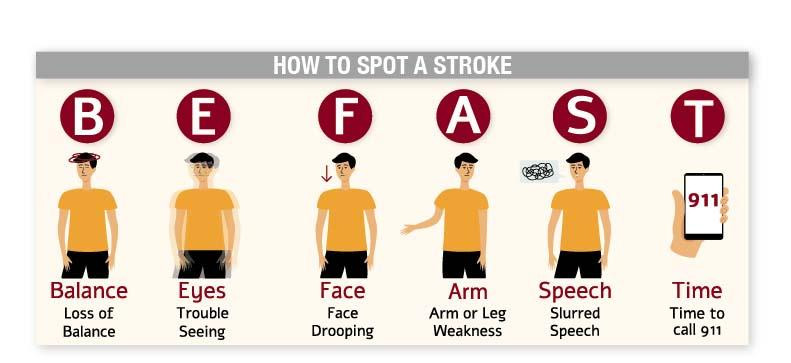
Brief brain attacks: Short symptoms, long consequences
A 2025 study finds that a first-time transient ischemic attack (TIA) can lead to the same long-term decline in thinking and memory problems as a full-blown stroke. Experts suggest cognitive testing after a TIA. People who have TIAs should take extra care to address risk factors for heart attack and stroke, such as high blood pressure and high cholesterol. Exercising regularly and staying socially active may help ward off cognitive decline.
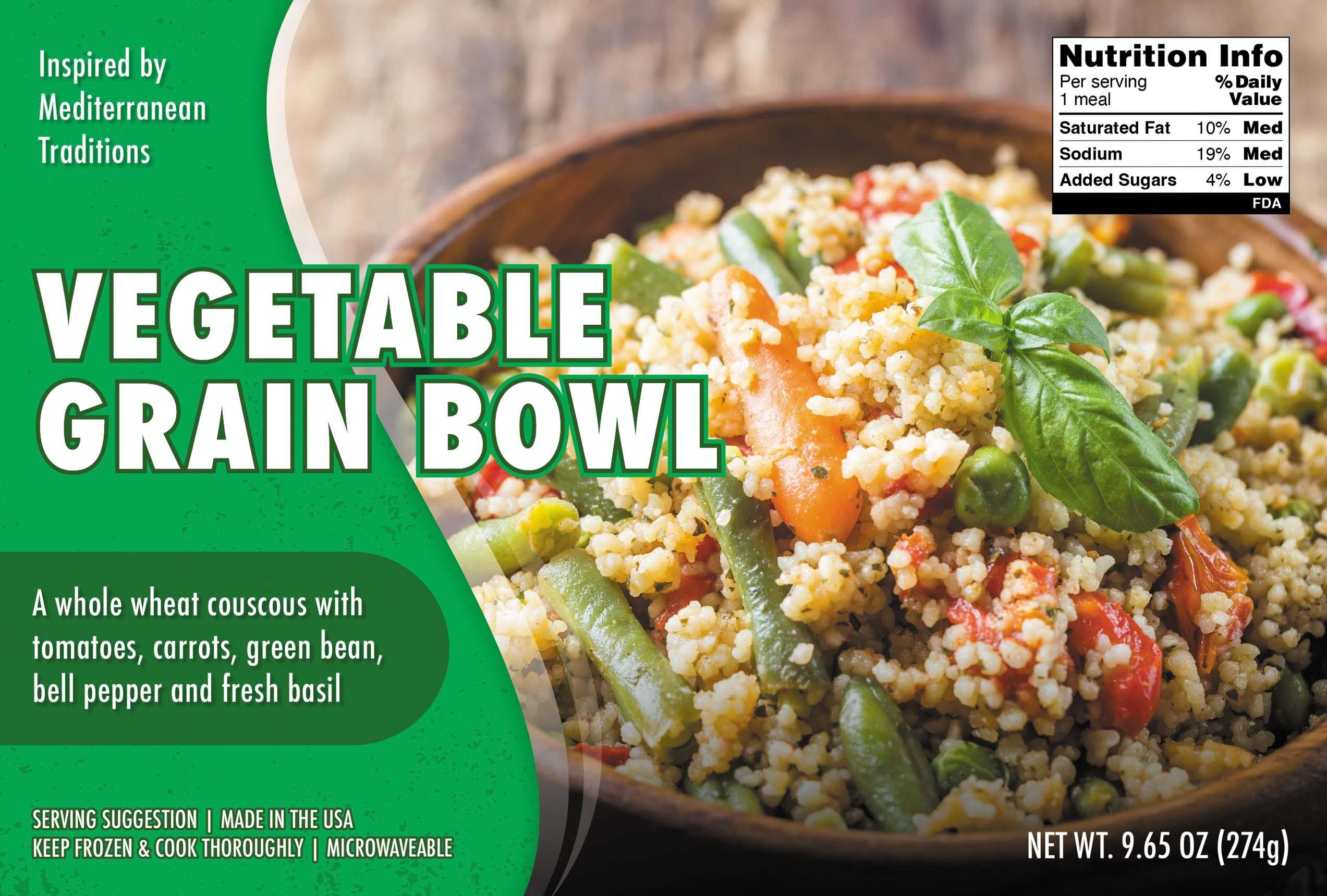
Food additives and heart health
Ultraprocessed packaged foods and drinks contain thickeners, preservatives, and other additives to improve their taste, texture, appearance, and shelf life. But the high amounts of salt, sugar, and fat in these products are probably more concerning for a person's health. Foods like sugary drinks and processed meats are the worst culprits. Eating a diet focused on whole, plant-based foods automatically lowers processed food intake and provides heart-protecting nutrients such as fiber, vitamins, and minerals.

Smarter, safer workouts with a wearable fitness tracker
Wearable fitness trackers like smart watches offer measurable and motivating data for exercise routines and safety, especially for people with heart conditions. Features include movement reminders, step counts (a daily total of 4,000 to 7,000 steps is considered beneficial), heart rate zones for exercise intensity, and measurements of heart rate recovery and variability to assess overall heart health. These tools can help optimize workouts and reveal potential issues.
Healing after food poisoning
What is tempeh? Benefits, nutrition, and how to use it
Light exposure at night may raise risk for heart disease
Whole grains may improve several heart risk factors at once
A lumbar belt may help ease low back pain
Children of centenarians may stay healthier and live longer too, study finds
Signs of pneumonia: Sometimes vague and unexpected
The surprising link between ovarian cancer and the fallopian tubes
Using a vibration plate: What it can — and can't — do for your body
People who walk more or walk faster live longer, study finds
Free Healthbeat Signup
Get the latest in health news delivered to your inbox!
Sign Up
