

Healing after food poisoning

What is tempeh? Benefits, nutrition, and how to use it

Light exposure at night may raise risk for heart disease

Whole grains may improve several heart risk factors at once

A lumbar belt may help ease low back pain

Children of centenarians may stay healthier and live longer too, study finds

Signs of pneumonia: Sometimes vague and unexpected

The surprising link between ovarian cancer and the fallopian tubes

Using a vibration plate: What it can — and can't — do for your body

People who walk more or walk faster live longer, study finds
Heart Disease Archive
Articles

Higher fitness levels may protect against atrial fibrillation
A 2025 study suggests that higher fitness levels may help protect people from developing atrial fibrillation.

The hidden heart danger of insufficient sleep
Insufficient sleep triggers a long list of physiological and hormonal changes that contribute to heart disease. For example, a lack of sleep can cause increases in blood pressure, blood sugar, inflammation, and weight. Doctors recommend getting at least seven hours of uninterrupted sleep per night. Strategies that promote better sleep include going to bed and waking up at the same time every day, creating a healthy sleep environment, and turning off electronics an hour before bedtime.

Enjoy eggs - just skip the bacon
Eating two eggs per day doesn't appear to raise harmful LDL cholesterol, as long as people follow a diet low in saturated fat. Although eggs are high in cholesterol, dietary cholesterol doesn't have much of an effect on the amount in a person's bloodstream. But excess dietary saturated fat does raise blood cholesterol, which is why people should limit their saturated fat to 7% of their daily calories.
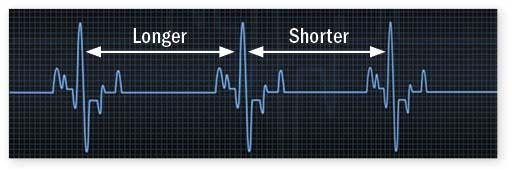
How relevant is heart rate variability?
Heart rate variability (HRV) is a measure of the tiny fluctuations in timing from one heartbeat to the next. Higher values are linked to better fitness levels and stress resilience.

Frequent standing may improve blood pressure after menopause
A 2025 study suggests that postmenopausal women may be able to lower their blood pressure simply by standing more often each day.

The future of blood pressure monitoring: Cuffless devices
Many devices that measure blood pressure without an inflatable arm cuff are in development, including a wristband recently cleared by the FDA for over-the-counter sale. It relies on a light-based sensor to detect changes in the amount of blood flowing through the vessels of the inner wrist, a technique known as photoplethysmography. But the devices have to be periodically calibrated, and as yet, there are no standards to validate the accuracy of cuffless devices.
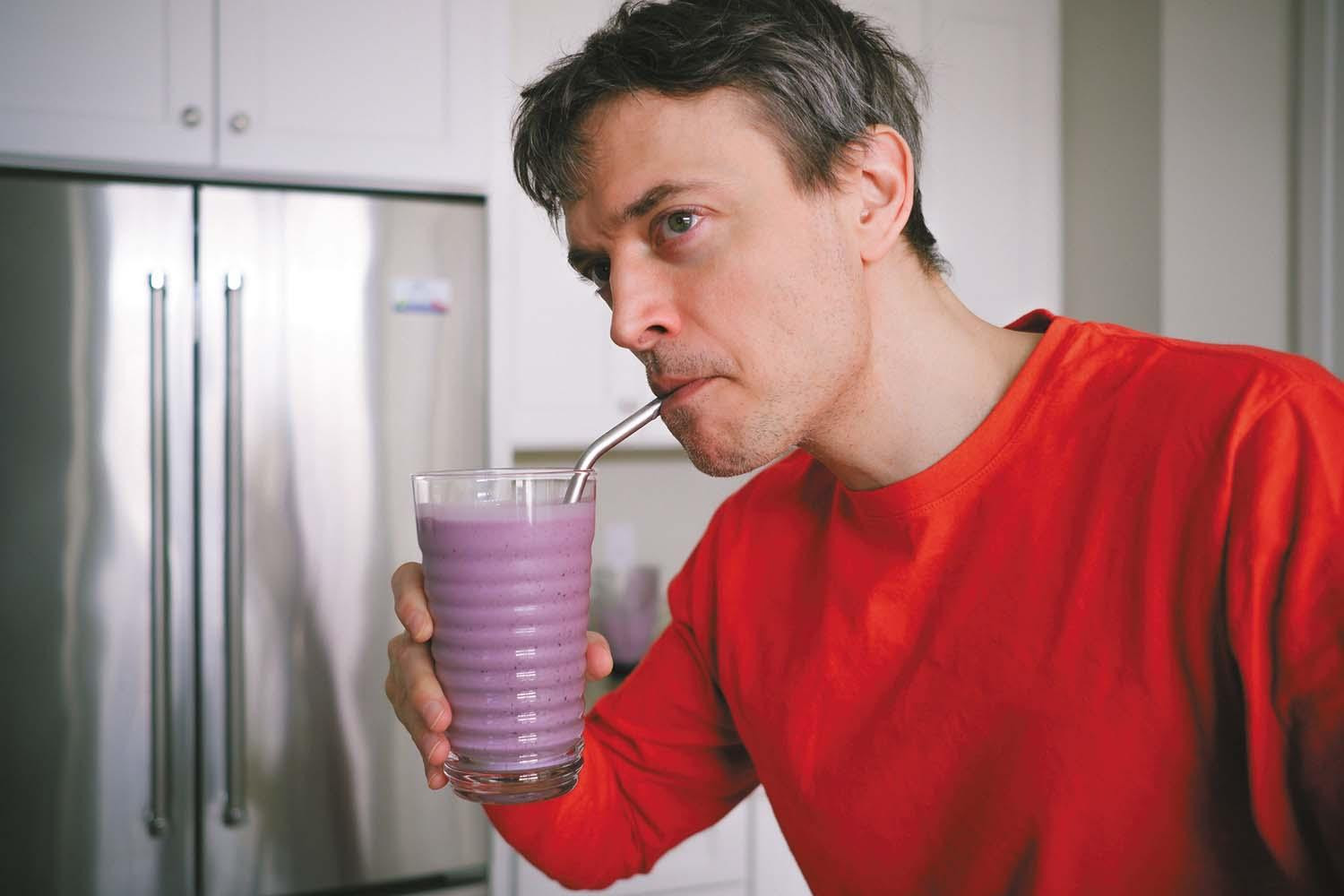
A cold drink may trigger an episode of atrial fibrillation
For some people with atrial fibrillation, cold drinks and foods can trigger a bout of the rapid, irregular heartbeat that characterizes the disorder. Avoiding those triggers nearly always prevents this phenomenon, dubbed "cold drink heart."

Heart-healthy habits appear to benefit the entire body
Habits that promote cardiovascular health are linked to benefits in nearly every organ system and improved function throughout the body, according to a 2025 review of 483 studies.
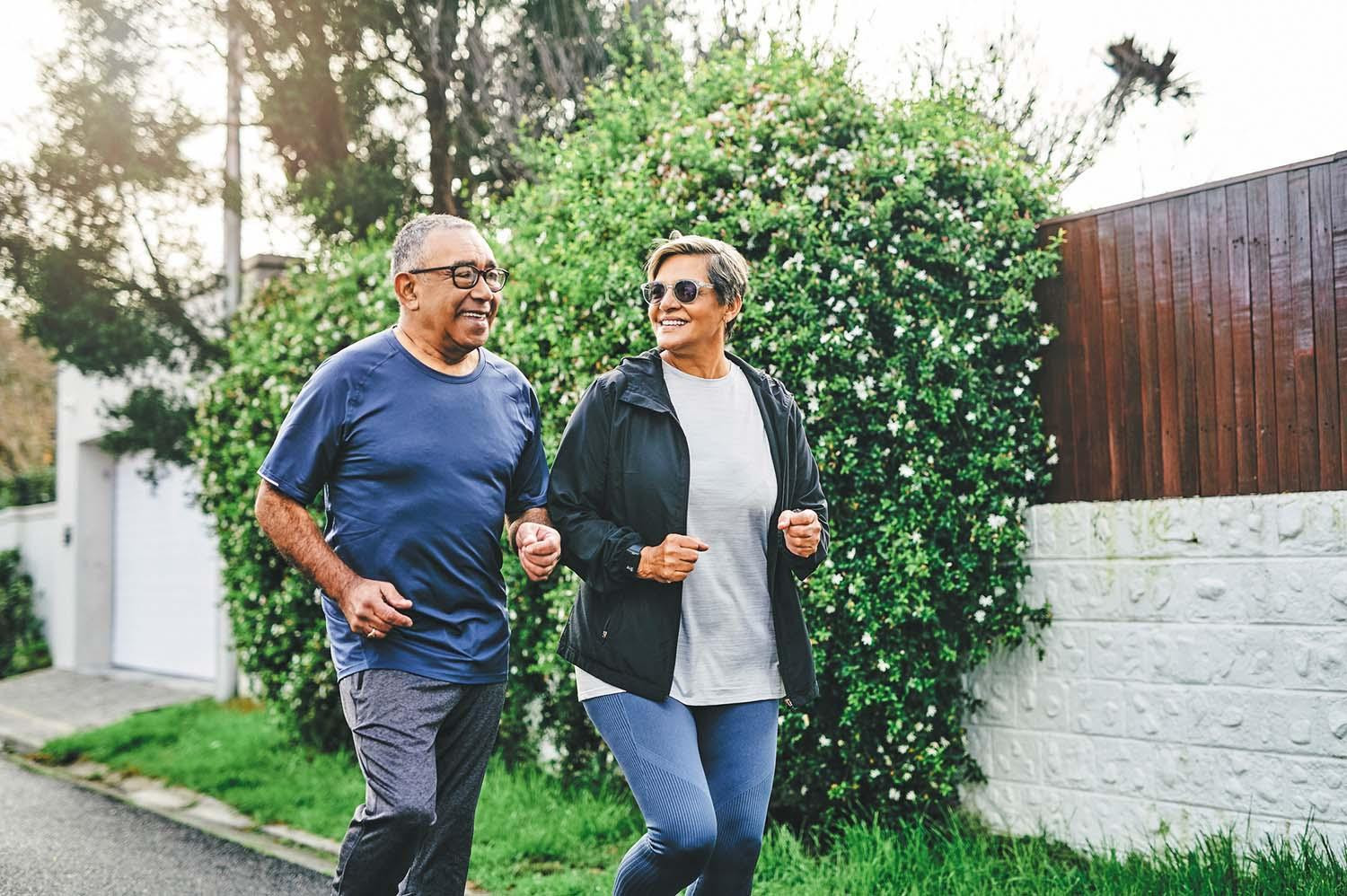
Just 7,000 daily steps reduces heart disease risk
A 2025 review found the people who walked 7,000 steps per day had a 25% lower of cardiovascular disease and a 47% lower risk of death from all causes compared to people who walked only 2,000 steps per day.
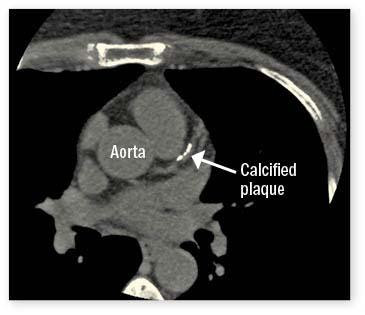
When incidental findings on scans reveal hidden heart disease
Imaging tests such as chest CT scans and mammograms, which can detect calcium deposits in arteries, can provide information about a person's cardiovascular health. These so-called incidental findings-when a medical test discovers something unrelated to the original purpose of the test-have become increasingly common in recent years. With a chest CT, calcifications are grouped into four categories: none, mild, moderate, or severe. That's often enough for a cardiologist to make a solid decision about whether to maintain or intensify a person's drug treatment to prevent heart disease progression.
Healing after food poisoning
What is tempeh? Benefits, nutrition, and how to use it
Light exposure at night may raise risk for heart disease
Whole grains may improve several heart risk factors at once
A lumbar belt may help ease low back pain
Children of centenarians may stay healthier and live longer too, study finds
Signs of pneumonia: Sometimes vague and unexpected
The surprising link between ovarian cancer and the fallopian tubes
Using a vibration plate: What it can — and can't — do for your body
People who walk more or walk faster live longer, study finds
Free Healthbeat Signup
Get the latest in health news delivered to your inbox!
Sign Up
