

CoQ10: Should you take this popular supplement if you're on a statin?

Oat vs. dairy milk: Nutrition, benefits, and downsides

Microplastics: A hidden health threat?

Healing after food poisoning

What is tempeh? Benefits, nutrition, and how to use it

Light exposure at night may raise risk for heart disease

Whole grains may improve several heart risk factors at once

A lumbar belt may help ease low back pain

Children of centenarians may stay healthier and live longer too, study finds

Signs of pneumonia: Sometimes vague and unexpected
Heart Attack Archive
Articles
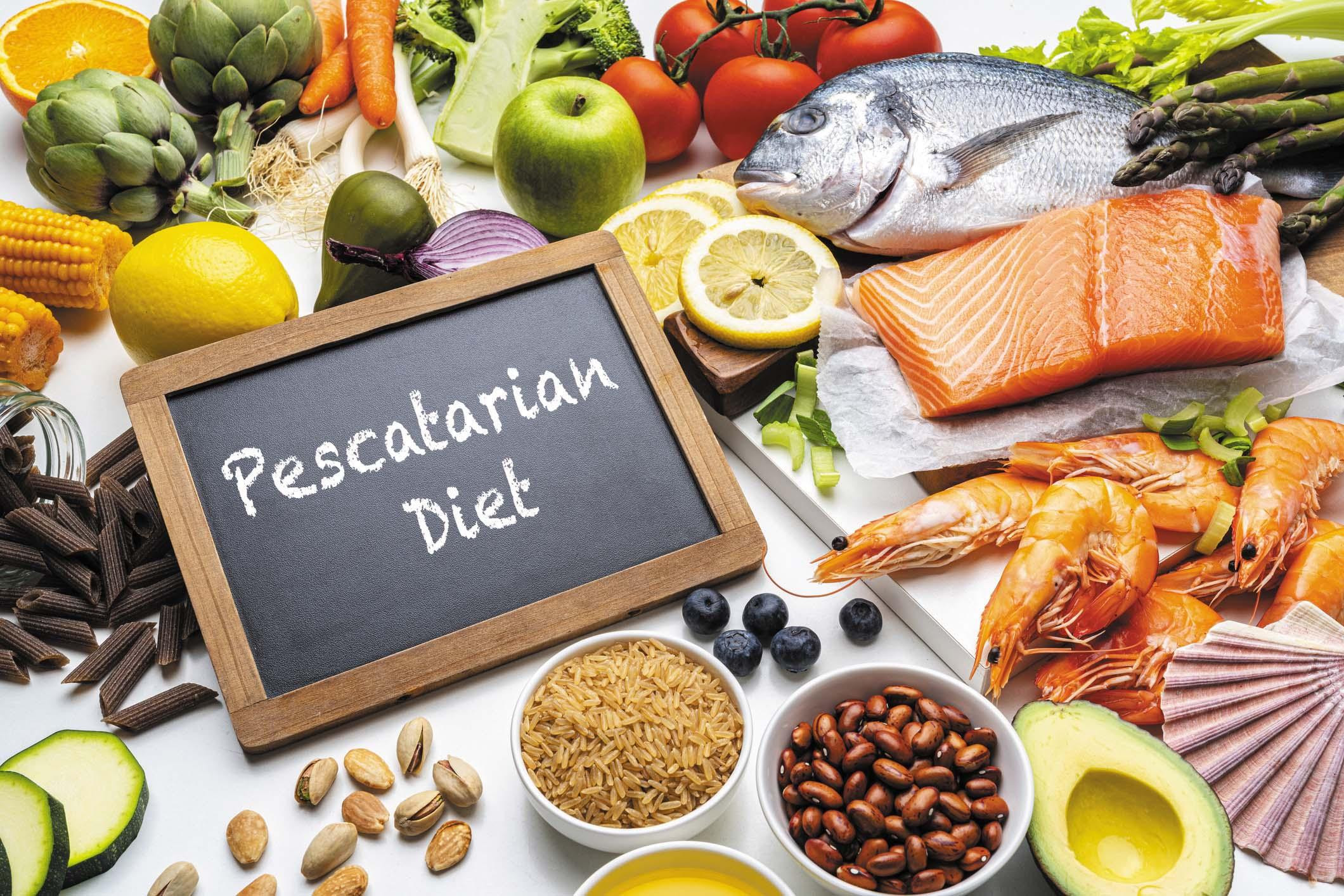
Go fish for a healthy heart
A pescatarian diet pairs plant-based eating with fish and shellfish, offering key nutrients and heart- and brain-protective omega-3s. Choosing smaller, sustainably caught seafood helps limit environmental impact and mercury exposure.

Nighttime light exposure linked to heart disease
Higher exposure to light at night between 12:30 a.m. and 6 a.m. is linked to an increased risk of cardiovascular problems including coronary artery disease, stroke, atrial fibrillation, heart attack, and heart failure.

Reclining and lying down: More risky than sitting for heart health?
Reclining and lying down may be linked to worse cardiovascular health while short bouts of sitting or standing may reduce cardiovascular risk, according to a 2025 study.
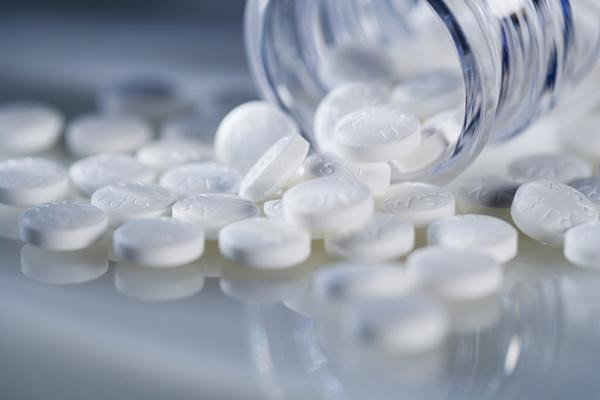
Updated risk calculator recommends less low-dose aspirin use
A 2025 analysis suggests that far fewer people are considered candidates for low-dose aspirin to prevent heart disease with the updated PREVENT risk calculator compared with the older risk calculator.

Social media posts about statins: Sorting fact from fiction
Social media posts tend to exaggerate side effects (such as muscle aches and memory problems) associated with statins and may spread invalid information about these drugs. This misinformation is a major threat to public health, according to a 2025 article.
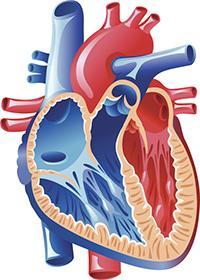
What is a bubble study?
Performed during an echocardiogram, a bubble study involves injecting a small amount of fluid filled with tiny bubbles into an arm vein. It can reveal the path of blood flow through the heart and provide clues about the cause of an unexpected stroke.

Can regular sauna sessions support a healthy heart?
Population-based studies have linked regular sauna use with better heart health. The high temperature inside a sauna-which usually ranges from about 150° F to 195° F-causes blood vessels to dilate, raising the heart rate and increasing blood flow throughout the body. However, randomized trials haven't found much evidence that saunas can improve measures of cardiovascular health. People with low blood pressure, valve disease, and heart failure should be cautious while using saunas.

Psychological distress common in heart attack survivors
Up to half of heart attack survivors experience some form of psychological distress after the event, including depression, anxiety, or stress, according to a 2025 statement from the American Heart Association.
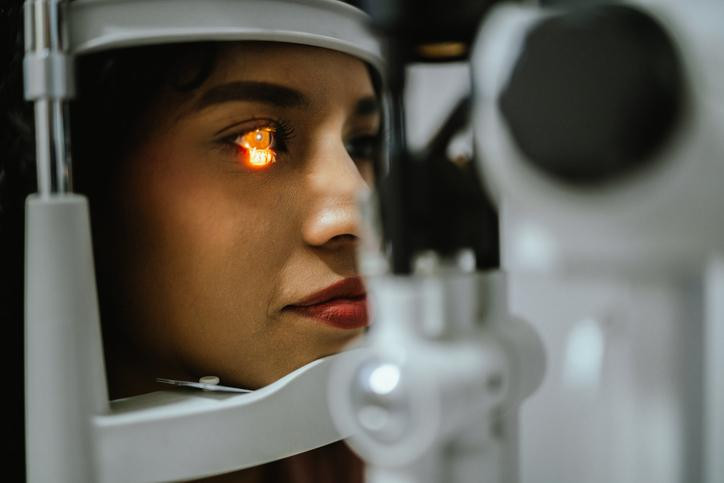
Retina scan may provide clues to early heart disease
A scan called retinal optical coherence tomography angiography, which provides detailed, three-dimensional images of blood vessels in the retina, may help identify people who should be screened for atherosclerosis, according to a 2025 study.

Extra-virgin olive oil may be healthier than regular olive oil
A 2025 study found that a high intake of extra-virgin olive oil (EVOO) was linked to a lower risk of heart-related problems, while intake of common olive oil was not. Higher levels of beneficial polyphenols in EVOO may explain the difference.
CoQ10: Should you take this popular supplement if you're on a statin?
Oat vs. dairy milk: Nutrition, benefits, and downsides
Microplastics: A hidden health threat?
Healing after food poisoning
What is tempeh? Benefits, nutrition, and how to use it
Light exposure at night may raise risk for heart disease
Whole grains may improve several heart risk factors at once
A lumbar belt may help ease low back pain
Children of centenarians may stay healthier and live longer too, study finds
Signs of pneumonia: Sometimes vague and unexpected
Free Healthbeat Signup
Get the latest in health news delivered to your inbox!
Sign Up
