

Using a vibration plate: What it can — and can't — do for your body

The surprising link between ovarian cancer and the fallopian tubes

People who walk more or walk faster live longer, study finds

For sleep apnea, a dental device may be as effective as CPAP

Rosacea treatments: What works?

Carb cycling: What is it, and does it work?

Salmonella, E. coli, Cyclospora, and other germs that cause food poisoning: What you need to know

Melatonin or magnesium: Can either supplement help you sleep?

Understanding orthorexia: Have your healthy eating goals gone too far?

Naturally gluten-free foods
Healthy Eating Archive
Articles

Video: Incorporating Meditation Into Your Life
Meditation can be a natural part of everyday life, similar to maintaining a healthy diet or exercise routine. In this video, learn how meditation can be simple, flexible, and can be practiced almost anywhere.

What is considered a healthy body fat percentage as you age?
While there is no agreed-upon normal range for body fat, most men ages 60 to 79 should aim for 13% to 24% body fat. Measuring waist and hip size can provide an estimate of how much dangerous belly fat a person carries.

Taking too much vitamin D can cloud its benefits and create health risks
Vitamin D supplements have been growing in popularity, but they're not always needed or taken in the correct doses.
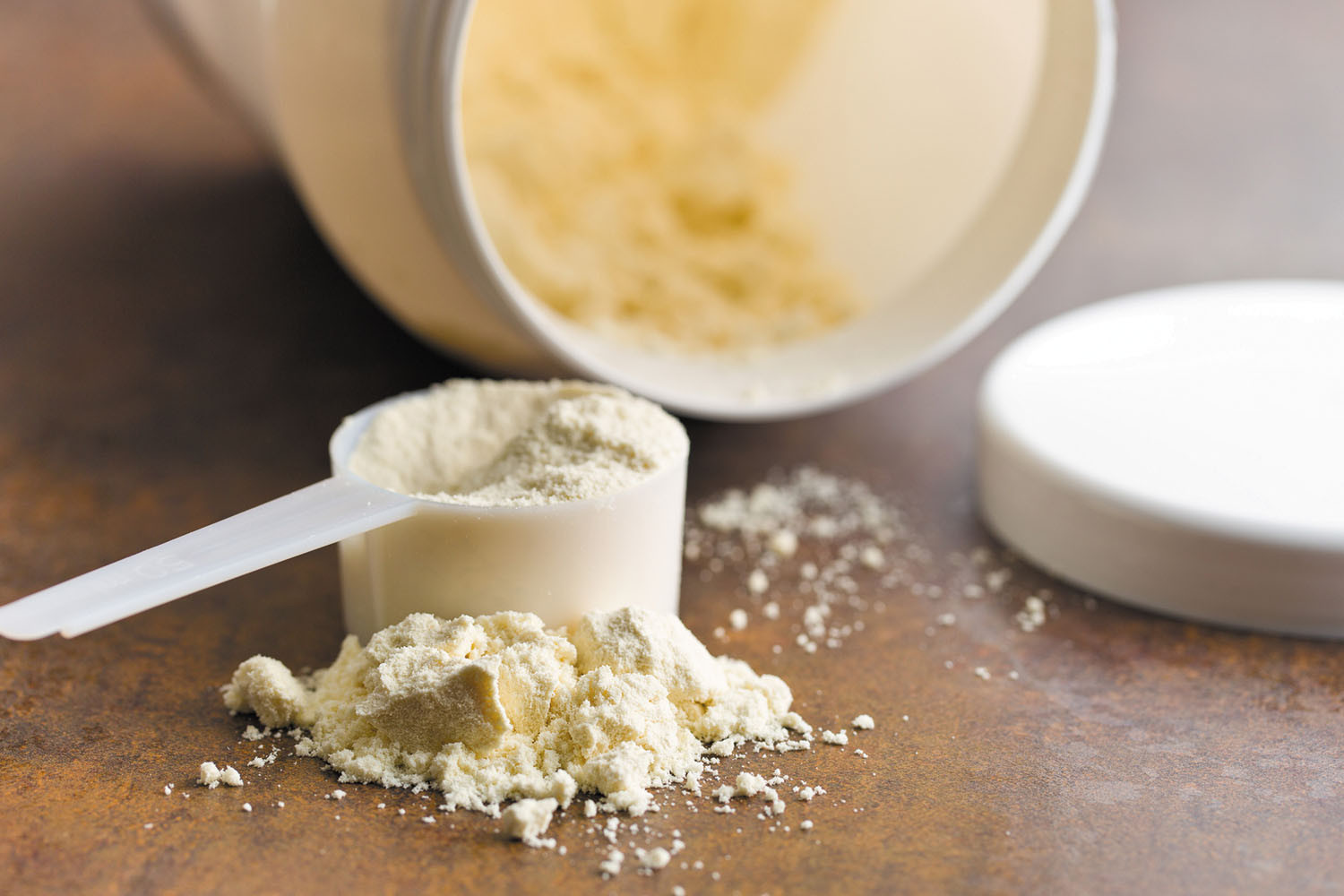
The hidden dangers of protein powders
Protein powder supplements can harbor health risks. They're recommended only for certain conditions, such as impaired appetite or wounds that are resistant to healing.

Quick-start guide to an anti-inflammation diet
There are a number of steps to take when starting an anti-inflammation diet, such as the Mediterranean diet. The steps boil down to some dos and don’ts. For example, don’t eat processed foods such as microwaveable dinners, hot dogs, white bread, dehydrated soups, baked goods, sugary cereals, processed meats, biscuits, and sauces. But do eat a diet of whole, unprocessed foods such as fruits, vegetables, whole grains, legumes (beans, lentils), fish, poultry, nuts, seeds, a little bit of low-fat dairy, olive oil, spices, and herbs.

Time to try intermittent fasting?
Intermittent fasting-a diet that focuses on when rather than what a person eats-may be a good way to lose weight and improve cardiovascular health. One version, time-restricted feeding, involves eating only during a certain time window (usually eight hours) over a single day; another approach limits a person to just 400 to 600 calories daily for several days over the course of a week. The diet may reduce risk factors linked to heart disease, including type 2 diabetes, high blood pressure, unhealthy blood lipid levels, and inflammation.

3 simple swaps for better heart health
A busy schedule can make it challenging to adhere to heart-healthy habits, but there are steps you can take that don't require much time and can fit easily into almost anyone's life.

Navigating your online patient portal: Best practices
Online patient portals enable people to see their medical records, communicate with their doctors, and more. This improved access has advantages along some with potential pitfalls, which can be avoided.

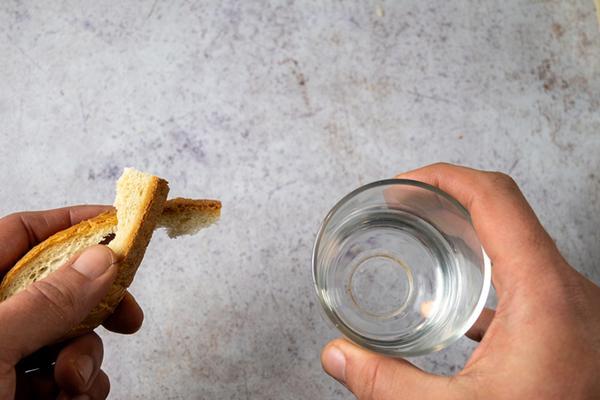
How to increase appetite
Appetite tends to decline with age, but this can lead to unwanted weight loss and frailty. Tips to boost a weak appetite include eating smaller, more frequent meals; prioritizing protein; staying active; making meals social and pleasurable; and relaxing overly strict dietary rules.
Using a vibration plate: What it can — and can't — do for your body
The surprising link between ovarian cancer and the fallopian tubes
People who walk more or walk faster live longer, study finds
For sleep apnea, a dental device may be as effective as CPAP
Rosacea treatments: What works?
Carb cycling: What is it, and does it work?
Salmonella, E. coli, Cyclospora, and other germs that cause food poisoning: What you need to know
Melatonin or magnesium: Can either supplement help you sleep?
Understanding orthorexia: Have your healthy eating goals gone too far?
Naturally gluten-free foods
Free Healthbeat Signup
Get the latest in health news delivered to your inbox!
Sign Up
