

CoQ10: Should you take this popular supplement if you're on a statin?

Microplastics: A hidden health threat?

Oat vs. dairy milk: Nutrition, benefits, and downsides

What is tempeh? Benefits, nutrition, and how to use it

Healing after food poisoning

Children of centenarians may stay healthier and live longer too, study finds

Light exposure at night may raise risk for heart disease

A lumbar belt may help ease low back pain

Whole grains may improve several heart risk factors at once

Signs of pneumonia: Sometimes vague and unexpected
Healthy Eating Archive
Articles

The skinny on fatty liver
The body's second largest organ, the liver is responsible for more than 500 bodily functions. One of the liver's greatest threats is nonalcoholic fatty liver disease (NAFLD), an umbrella term that includes several forms of liver disease. Most people with NAFLD have a type known as simple fatty liver. However, up to 20% of people with NAFLD develop inflammation in the liver known as nonalcoholic steatohepatitis (NASH). Left unchecked, this more dangerous form can progress into fibrosis (scarring) and potentially cirrhosis (severe scarring and liver damage). Lifestyle changes, such as weight loss, increasing exercise, and adopting a plant-based diet are the best means to manage and prevent NAFLD.

Can eating potassium-rich foods lower my blood pressure?
When it comes to managing high blood pressure, the average American consumes too much sodium and too little potassium. Reversing this imbalance could help control high blood pressure which could, in turn, lead to fewer heart attacks, strokes, and deaths from heart disease.

Heavy metals found in popular brands of dark chocolate
Popular brands of dark chocolate (which is often touted as heart-healthy) may contain potentially worrisome levels of lead and cadmium. Consistent, long-term exposure to these heavy metals has been linked to cardiovascular disease.

Energy-boosting coffee alternatives: What to know
Beverages that promise similar energy perks and health benefits as coffee and tea are growing in popularity. Often marketed as wellness drinks, how do these alternatives stack up nutritionally?

Does your child need to gain weight?
Weight can be a sensitive topic with children and teens, and sometimes a child needs to gain some weight. Checking with your doctor before working on adding weight and emphasizing healthy, high-calorie foods are important.

Easy ways to keep inflammation in check
Certain healthy habits can fight chronic inflammation, such as eating a healthy diet, exercising regularly, getting enough sleep, maintaining good oral health, and reducing stress. If adopting all those habits seems daunting, taking little steps in their direction can help. For example, a person might eat fatty fish twice a week, since it contains omega-3 fatty acids known to reduce inflammation; or go for a quick daily walk, since exercise may increase the production of hormones that help keep inflammation in check. The combined effects of many little habits can eventually add up to keep people healthier.

Choosing heart-healthy oils for home cooking
Some social media posts suggest that seed oils (such as canola, safflower, and sunflower oils) are responsible for a host of health problems, including obesity, diabetes, and even heart disease. But there's scant scientific evidence to support these claims. Seed oils are rich in unsaturated fatty acids, which are linked to a lower risk of heart disease when substituted for saturated fats (found mainly in animal-based foods such as butter, cheese, and meat).

Sugary drinks may raise levels of unhealthy blood fats
Sugary drinks—the biggest source of added sugar in the American diet—have been linked to higher levels of LDL cholesterol and other unhealthy fats in the bloodstream.

Low-carb diet helps cut blood sugar levels in people with prediabetes
A recent study suggests that following a low-carb diet may quickly reduce A1C levels in people with prediabetes. Such a rigorous approach to eating may not be realistic, but cutting even some carbs may lead to weight loss and lower blood sugar.
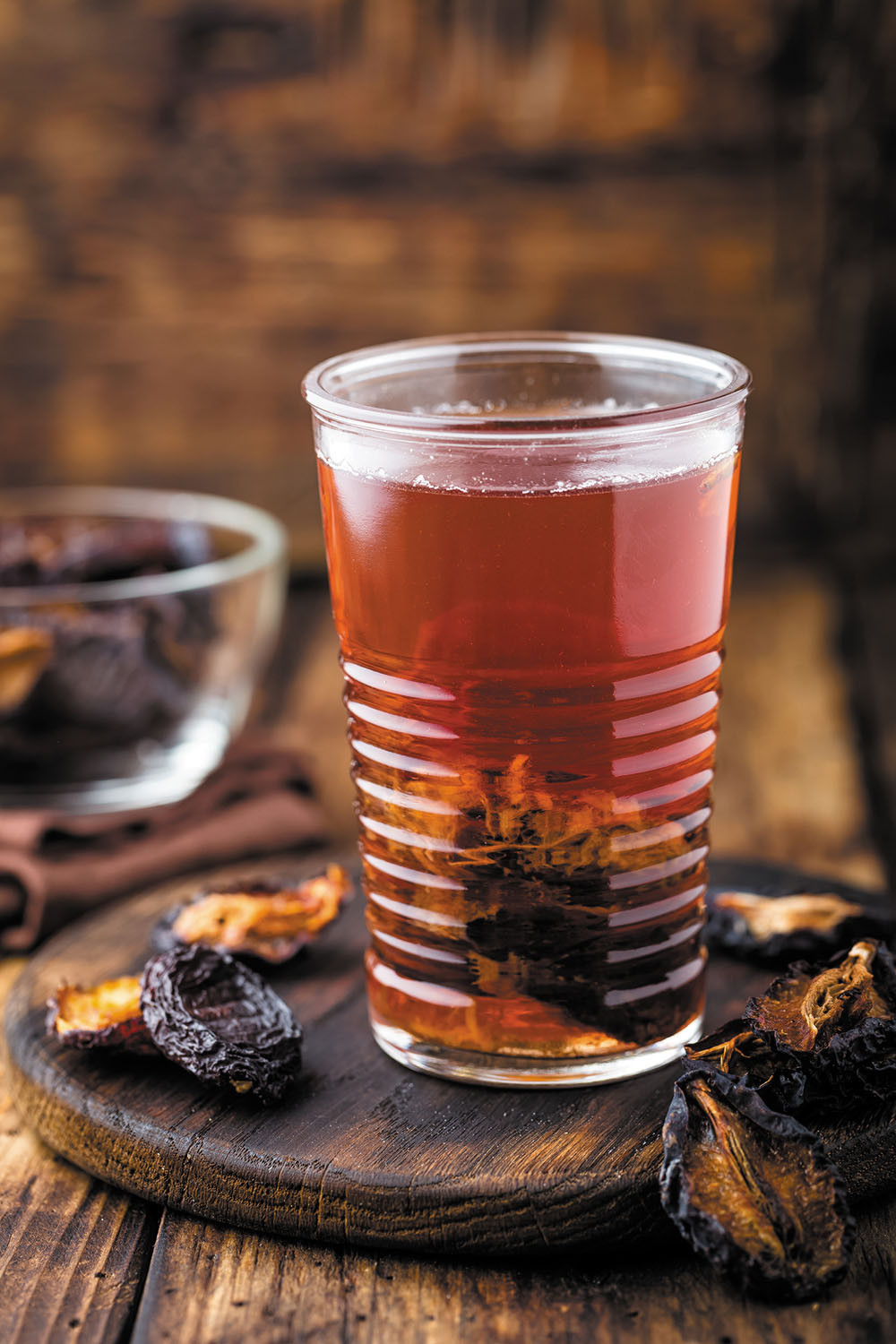
Prune juice for constipation? A new study says yes
Drinking about one cup of prune juice daily may help relieve chronic constipation, according to a 2022 study.
CoQ10: Should you take this popular supplement if you're on a statin?
Microplastics: A hidden health threat?
Oat vs. dairy milk: Nutrition, benefits, and downsides
What is tempeh? Benefits, nutrition, and how to use it
Healing after food poisoning
Children of centenarians may stay healthier and live longer too, study finds
Light exposure at night may raise risk for heart disease
A lumbar belt may help ease low back pain
Whole grains may improve several heart risk factors at once
Signs of pneumonia: Sometimes vague and unexpected
Free Healthbeat Signup
Get the latest in health news delivered to your inbox!
Sign Up
