

Healing after food poisoning

What is tempeh? Benefits, nutrition, and how to use it

Light exposure at night may raise risk for heart disease

Whole grains may improve several heart risk factors at once

A lumbar belt may help ease low back pain

Children of centenarians may stay healthier and live longer too, study finds

Signs of pneumonia: Sometimes vague and unexpected

The surprising link between ovarian cancer and the fallopian tubes

Using a vibration plate: What it can — and can't — do for your body

People who walk more or walk faster live longer, study finds
Healthy eating for older adults Archive
Articles
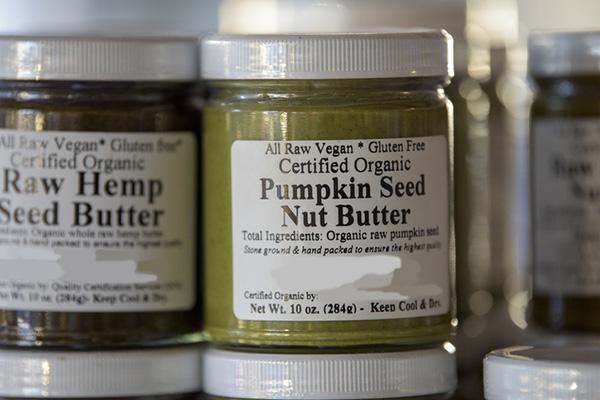
Tips to choose nut butter and seed butter
Any nut or seed butter is a nutritious choice, offering protein, fiber, healthy fats, and minerals. But they’re also high in calories, so watch portion size. Choose “natural” varieties with the fewest ingredients (ideally, just one: the nut or seed they’re made from).
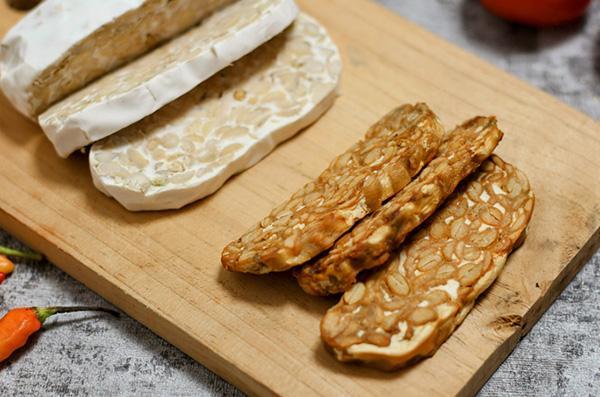
What is tempeh? Benefits, nutrition, and how to use it
Tempeh, a fermented soybean cake, is a delicious and versatile plant-based protein option, with a good amount of fiber and a satisfying meatlike texture. Look for brands lowest in sodium, and for best results, cook using dry heat methods.
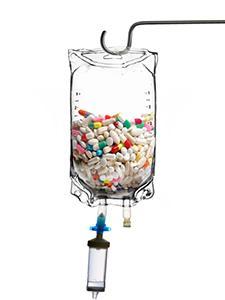
IV therapy for vitamin replenishment: Health boost or expensive placebo?
Intravenous (IV) vitamin therapy delivers vitamins, minerals, and fluids directly into the bloodstream. It is marketed as a quick fix for fatigue, immune health, and hangovers. But scientific evidence does not back up those claims, and IV therapy also poses risks.

Caring for an aging parent? Tips for enjoying holiday meals
When you are a caregiver for an aging parent, the joy of gathering for holiday meals can be overshadowed by stress. Planning in advance for things like the day’s schedule, timing of the meal, what food your parent can or will eat, and making sure medications are taken will help children and parents enjoy the meal with as little stress as possible.
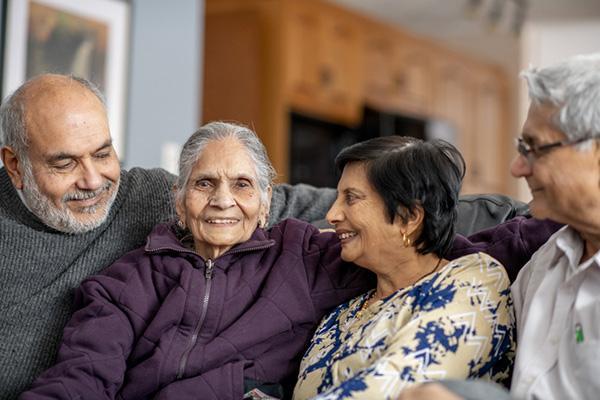
Children of centenarians may stay healthier and live longer too, study finds
In three long-term studies, children of centenarians had lower rates of high blood pressure when compared with others whose parents had shorter life spans. They also tended to have less heart disease, develop health problems later, and live about three years longer.
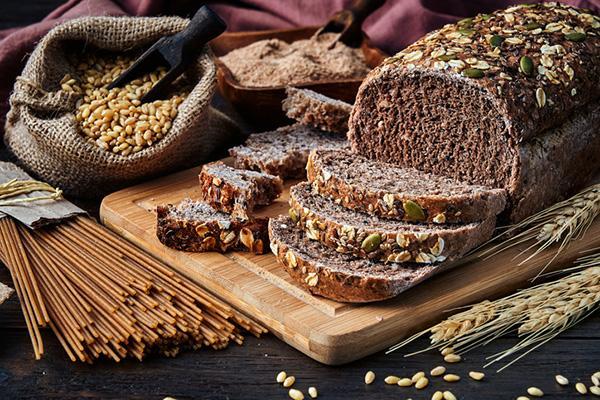
Whole grains may improve several heart risk factors at once
An analysis of 87 studies found that eating more whole grains may provide modest improvements in cholesterol, triglycerides, blood sugar, weight, blood pressure, and inflammation. Benefits rose as consumption increased to at least four to six servings of whole grains daily. The heart-health benefits of a whole-grain-rich diet may add up over time.
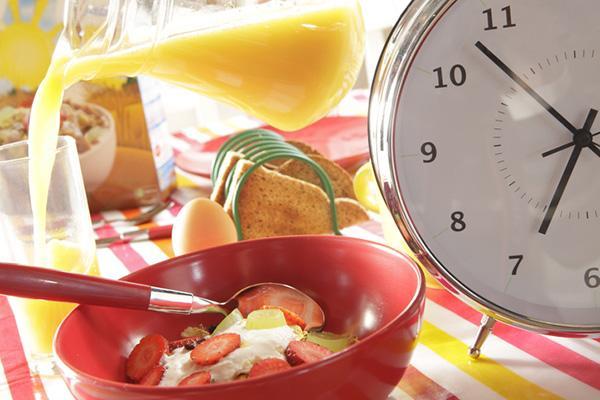
What are some nutritious breakfast options for busy mornings?
Busy mornings do not have to mean skipping balanced nutrition. These quick food combinations offer satisfying alternatives to breakfast shakes.

2 easy, affordable, plant-centered dinners
Shifting your diet to eat more plant-based foods and less meat and dairy products is a smart choice for your health, wallet, and the planet. These two easy, affordable and adaptable recipes are a good way to give plant-based eating a try.

A tough question: When should an older driver stop driving?
Navigating whether or when an older person should limit or stop driving is tricky. Whether these concerns are about a family member or yourself, it's helpful to be aware of red flags and to understand how driving abilities -- and risk for motor vehicle accidents -- change with age.

Are certain types of sugars healthier than others?
A high intake of sugar is linked to an increased risk of obesity, type 2 diabetes, cardiovascular disease, and certain cancers. But whether some sugars are healthier (or worse) than others remains a question of interest to many.
Healing after food poisoning
What is tempeh? Benefits, nutrition, and how to use it
Light exposure at night may raise risk for heart disease
Whole grains may improve several heart risk factors at once
A lumbar belt may help ease low back pain
Children of centenarians may stay healthier and live longer too, study finds
Signs of pneumonia: Sometimes vague and unexpected
The surprising link between ovarian cancer and the fallopian tubes
Using a vibration plate: What it can — and can't — do for your body
People who walk more or walk faster live longer, study finds
Free Healthbeat Signup
Get the latest in health news delivered to your inbox!
Sign Up
