

Naturally gluten-free foods

Harvard study: Healthier fats linked to longer life after prostate cancer diagnosis

Shingrix shingles vaccine linked with lower heart disease risks

Estrogen-only hormone therapy tied to lower dementia risk
Should you have a hysterectomy?

Stair climbing may significantly lower cardiovascular risks

Why do I sweat so much?

Walking pneumonia: The "mild" illness that can still pack a punch

What causes knee pain: How doctors make a diagnosis

Where you carry excess weight matters in predicting heart disease risk
Healthy eating for diabetes Archive
Articles

Supplements: A scorecard
A detailed look at supplements and their medical use.
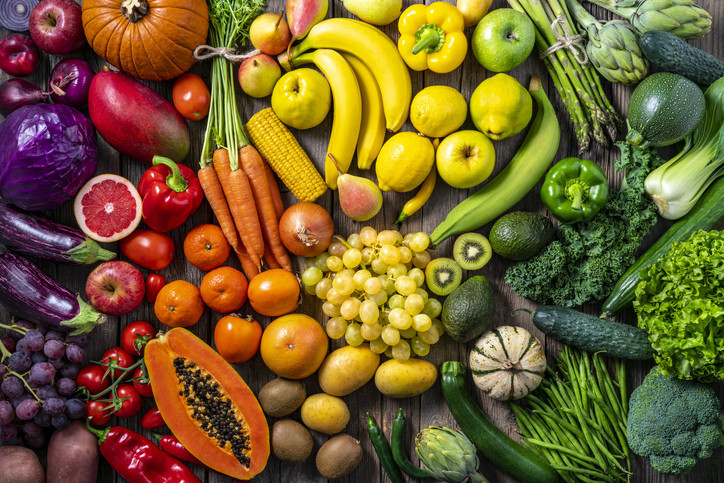
Can flavonoids help fend off forgetfulness?
Eating a broad variety of fruits and vegetables is a good way to get a sufficient intake of flavonoids, chemicals that contribute to many aspects of health. Now, a study suggests that flavonoid-rich foods may also play a role in protecting memory and thinking as people get older.

Long-lasting healthy changes: Doable and worthwhile
Abundant research shows that healthy lifestyle factors protect people against serious health problems like diabetes, high blood pressure, heart disease, stroke, cancer, and more. Even small steps toward a healthier lifestyle can make a big difference in our lives––here's practical advice for making healthy changes stick.

Adults who skip morning meal likely to miss out on nutrients

Ban on harmful pesticide: What parents need to know
After two decades of concern, and mounting evidence of its harm to young children, the FDA has banned the pesticide chlorpyrifos from use on food. But it's important to remember that chemicals are everywhere, and there are other steps all parents should take to protect their children from exposure to potentially harmful products and substances.
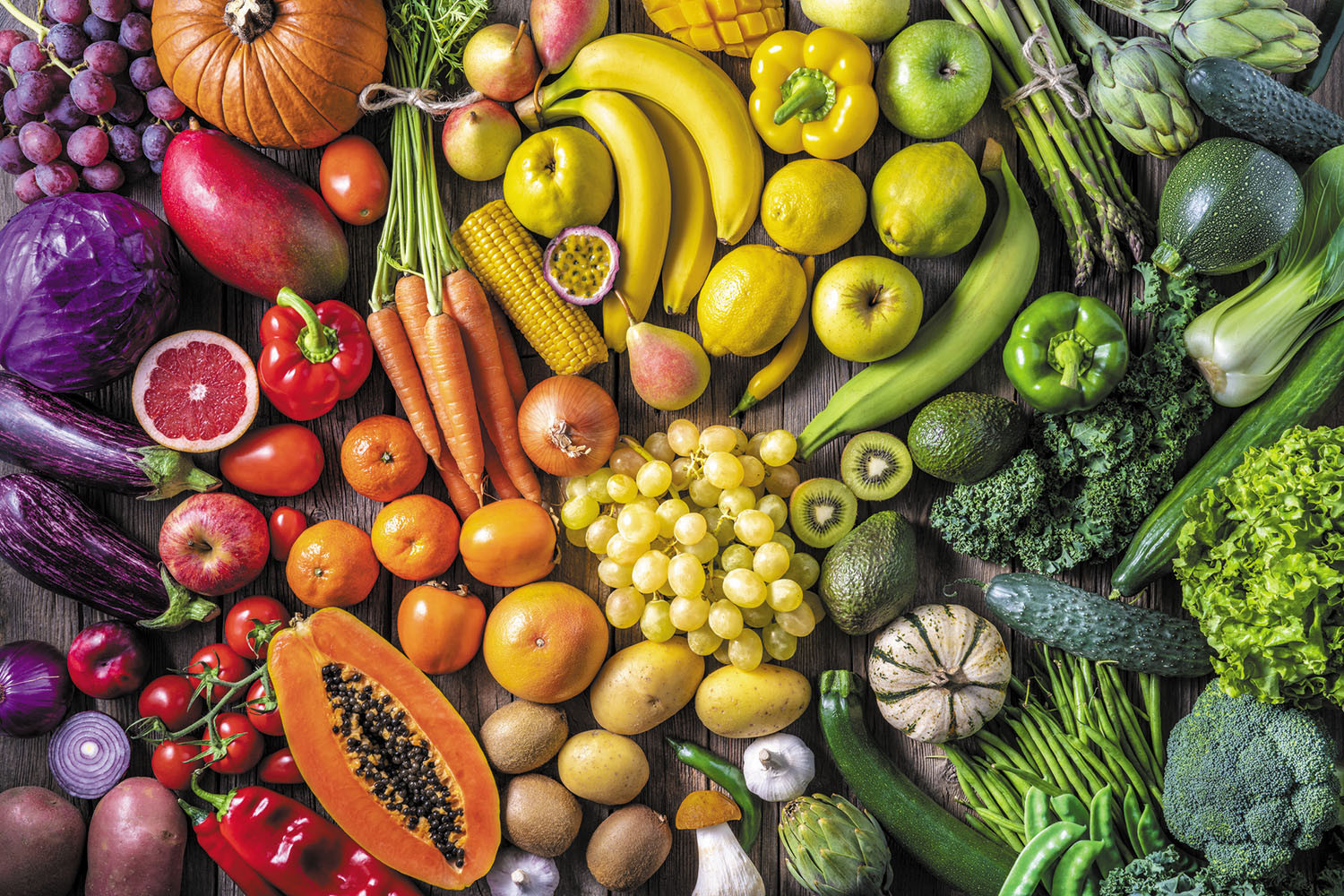
How many fruits and vegetables do we really need?

Do people who have COVID-19 go on to develop other diseases?
Evidence suggests that people who recover from COVID-19 have an increased risk for developing new health problems, including heart attacks, high blood pressure, diabetes, high cholesterol, muscle inflammation, blood clots that travel to the lungs, strokes from clots or hemorrhages, or psychosis. This is in addition to permanent damage that can result from having COVID, including damage to the lungs, heart, kidneys, brain, or other organs; and debilitating fatigue, difficulty thinking, and other symptoms that make it hard to function normally at work or at home.

Food shortcuts for busy nights

Tooth loss truth: It's no longer about the tooth fairy
Older Americans are keeping their teeth longer, but the prevalence of tooth loss is higher among people with chronic disease or overall worse health. However, loss of a tooth can also result from tooth decay, periodontal infection, or accidental trauma. Aside from accidents, most people should be able to prevent tooth loss by following good oral care habits.

Naturally gluten-free foods
Harvard study: Healthier fats linked to longer life after prostate cancer diagnosis
Shingrix shingles vaccine linked with lower heart disease risks
Estrogen-only hormone therapy tied to lower dementia risk
Should you have a hysterectomy?
Stair climbing may significantly lower cardiovascular risks
Why do I sweat so much?
Walking pneumonia: The "mild" illness that can still pack a punch
What causes knee pain: How doctors make a diagnosis
Where you carry excess weight matters in predicting heart disease risk
Free Healthbeat Signup
Get the latest in health news delivered to your inbox!
Sign Up
