

Naturally gluten-free foods

Harvard study: Healthier fats linked to longer life after prostate cancer diagnosis

Shingrix shingles vaccine linked with lower heart disease risks

Estrogen-only hormone therapy tied to lower dementia risk

Should you have a hysterectomy?

Stair climbing may significantly lower cardiovascular risks

Why do I sweat so much?

Walking pneumonia: The "mild" illness that can still pack a punch

What causes knee pain: How doctors make a diagnosis

Where you carry excess weight matters in predicting heart disease risk
Healthy eating for diabetes Archive
Articles

Taming the chronic inflammation of psoriasis

Are these "healthier" choices really better for you?

Breathing your way to better health

Did we really gain weight during the pandemic?
Researchers studying weight gain during the pandemic looked at health records for millions of people from both before it and during the first year of it. Unsurprisingly, a significant percentage of people gained weight, but less expected is that nearly as many people lost weight during the same time period.

Keep ultra-processed foods off the menu

Can COVID cause diabetes?
COVID-19 infections may raise the risk of developing diabetes, because the virus can damage insulin-producing cells in the pancreas.

Pumpkins aren’t just for carving

Better blood sugar tracking: A benefit for heart health?

Confused about eating soy?
The FDA wants to pull its support of the health claim that eating soy protein may help reduce the risk of heart disease. The agency proposed the change last fall, citing evidence that questions whether there's any real benefit to heart health. If the FDA goes through with the move, then food makers will no longer be allowed to market soy products with the claim that they can help your heart. But soy won't hurt your heart, and soy does have other benefits.
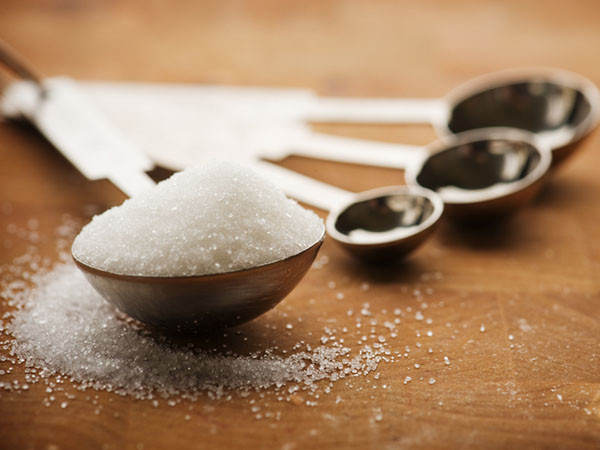
Sugar: How sweet it is... or is it?
As more Americans are considered obese, including children, a study examined what effect a voluntary reduction in the sugar content of foods would have on rates of obesity, diabetes, heart disease, and health care costs. But in the absence of such a change, there are ways you can reduce your sugar intake without having to give up sweet treats entirely.
Naturally gluten-free foods
Harvard study: Healthier fats linked to longer life after prostate cancer diagnosis
Shingrix shingles vaccine linked with lower heart disease risks
Estrogen-only hormone therapy tied to lower dementia risk
Should you have a hysterectomy?
Stair climbing may significantly lower cardiovascular risks
Why do I sweat so much?
Walking pneumonia: The "mild" illness that can still pack a punch
What causes knee pain: How doctors make a diagnosis
Where you carry excess weight matters in predicting heart disease risk
Free Healthbeat Signup
Get the latest in health news delivered to your inbox!
Sign Up
