

CoQ10: Should you take this popular supplement if you're on a statin?

Oat vs. dairy milk: Nutrition, benefits, and downsides

Microplastics: A hidden health threat?

Healing after food poisoning

What is tempeh? Benefits, nutrition, and how to use it

Light exposure at night may raise risk for heart disease

Whole grains may improve several heart risk factors at once

A lumbar belt may help ease low back pain

Children of centenarians may stay healthier and live longer too, study finds

Signs of pneumonia: Sometimes vague and unexpected
Healthy aging and longevity Archive
Articles

What causes a cough after a cold?
A persistent cough that remains after an infection has been treated can last for a month or two. There are several treatments that may offer relief, such as antihistamines or a bronchodilator inhaler.

When is it okay to split medication in half?
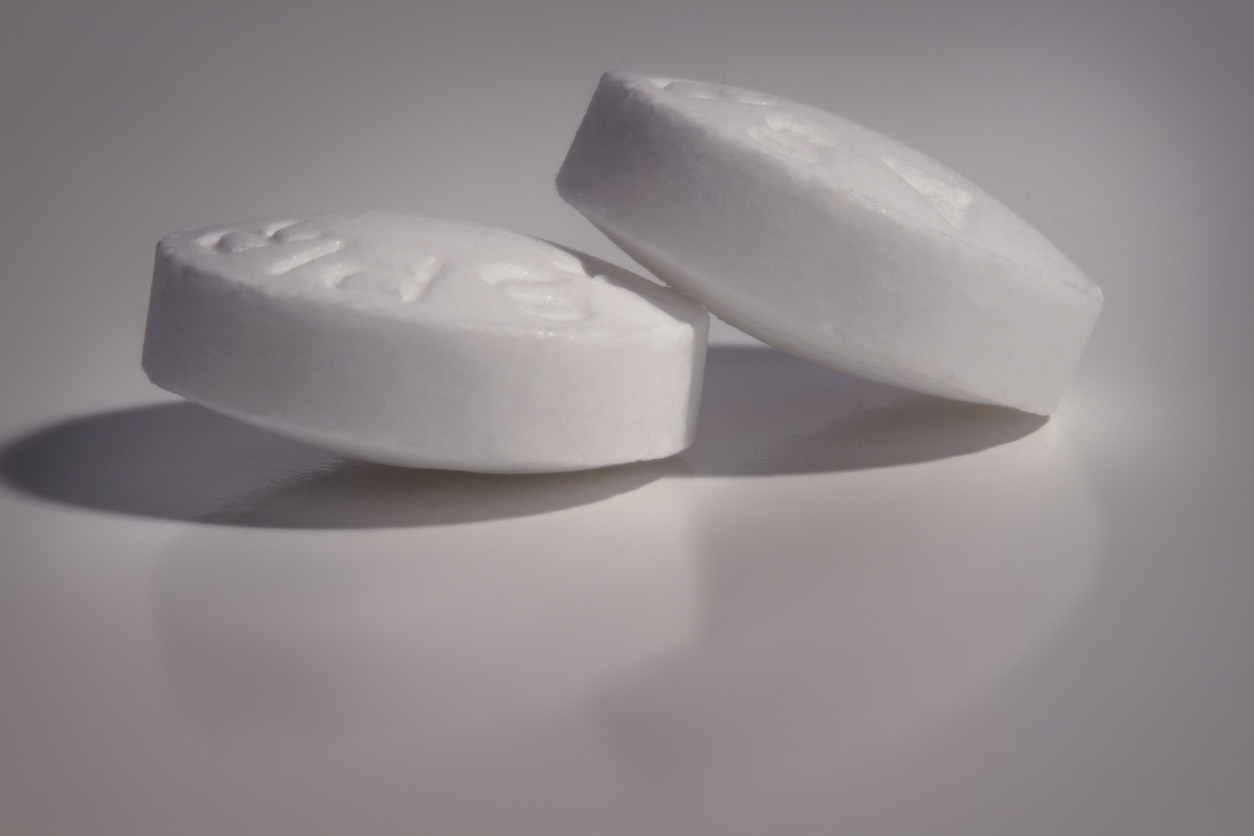
Splitting a pill into two equal halves is sometimes necessary when needing to adjust dosage, or as a means to save money buy purchasing higher-dose pills. However, splitting is not safe for all pills, so a person should always consult a pharmacist or doctor.

Looking for a few good men
There are many opportunities to join a clinical trial, and you may be surprised at what you can learn about your health.
Image: ggustavofrazao/Thinkstock
You no doubt have seen advertisements asking people to join a clinical trial and thought they don't apply to you. But perhaps you should reconsider.
"People have a vested interest in the outcome of research trials, since these studies address many issues they want to avoid or better manage, such as cancer, diabetes, blood pressure, and dementia," says Dr. Howard Sesso, an epidemiologist with the division of preventive medicine at Harvard-affiliated Brigham and Women's Hospital.

Stopping exercise for 10 days can decrease brain blood flow
Stopping exercise for 10 days can reduce brain blood flow by 20% to 30% in eight brain regions, including the hippocampus, which is responsible for learning and memory and is one of the first brain regions to shrink in Alzheimer’s disease.

Now hear this: You may need hearing aids
These tiny devices can improve your communication, your relationships, and even your brain function, but only if you use them.
Image: Huntstock/Thinkstock
Age-related hearing loss affects about a quarter of people ages 65 to 74 and half of those ages 75 and older, according to the National Institute on Deafness and Other Communication Disorders. Over all, though, it tends to be more male-oriented.
“By middle age, many men also have hearing nerve damage from long exposure to noises like power tools, music, and guns,” says Dr. Steven Rauch, an otologist with Harvard-affiliated Massachusetts Eye and Ear. Some career choices—like construction, manufacturing, or military service—also contribute.




CoQ10: Should you take this popular supplement if you're on a statin?
Oat vs. dairy milk: Nutrition, benefits, and downsides
Microplastics: A hidden health threat?
Healing after food poisoning
What is tempeh? Benefits, nutrition, and how to use it
Light exposure at night may raise risk for heart disease
Whole grains may improve several heart risk factors at once
A lumbar belt may help ease low back pain
Children of centenarians may stay healthier and live longer too, study finds
Signs of pneumonia: Sometimes vague and unexpected
Free Healthbeat Signup
Get the latest in health news delivered to your inbox!
Sign Up
