

Fatty liver disease: Should you be tested?

Weight-loss drug may lower risk of heart attacks and infections

Testosterone therapy without evidence of deficiency may boost heart risk

Even a little exercise linked with lower stroke risk in people with afib

Antihistamines may not offer meaningful relief from eczema symptoms

What to eat on the DASH diet

Tricep workouts you can do at home

FDA approves first mRNA-based flu vaccine

Migraine: How it's diagnosed and what that means

Mindfulness practices to reduce stress and improve focus
Headache and migraine Archive
Articles

Spring cleaning: Why more people are uncluttering the mind for better health
The benefits of meditation go beyond stress reduction.
Image: © FatCamera/Getty Images
Most of us sense instinctively that clutter is unhealthy. Sure, we may joke about a disorganized desk or a teenager's messy room, but we feel that a clean, organized space is a healthier, more soothing environment. What about a cluttered mind — a mind constantly presented with different simultaneous challenges and distractions? Is that unhealthy, and is there a fix?
Uncluttering — or, as is usually said, "emptying" — your mind through meditation has a host of health-related benefits, and maybe that's why more people are taking up the practice. Data from a national survey conducted by the CDC's National Center for Health Statistics, published online by the CDC in November 2018, found that 14% of American adults reported meditating in 2017, compared with just 4% in 2012.


Shorter sleep may cause dehydration
Image: © miya227/Getty Images
In the journals
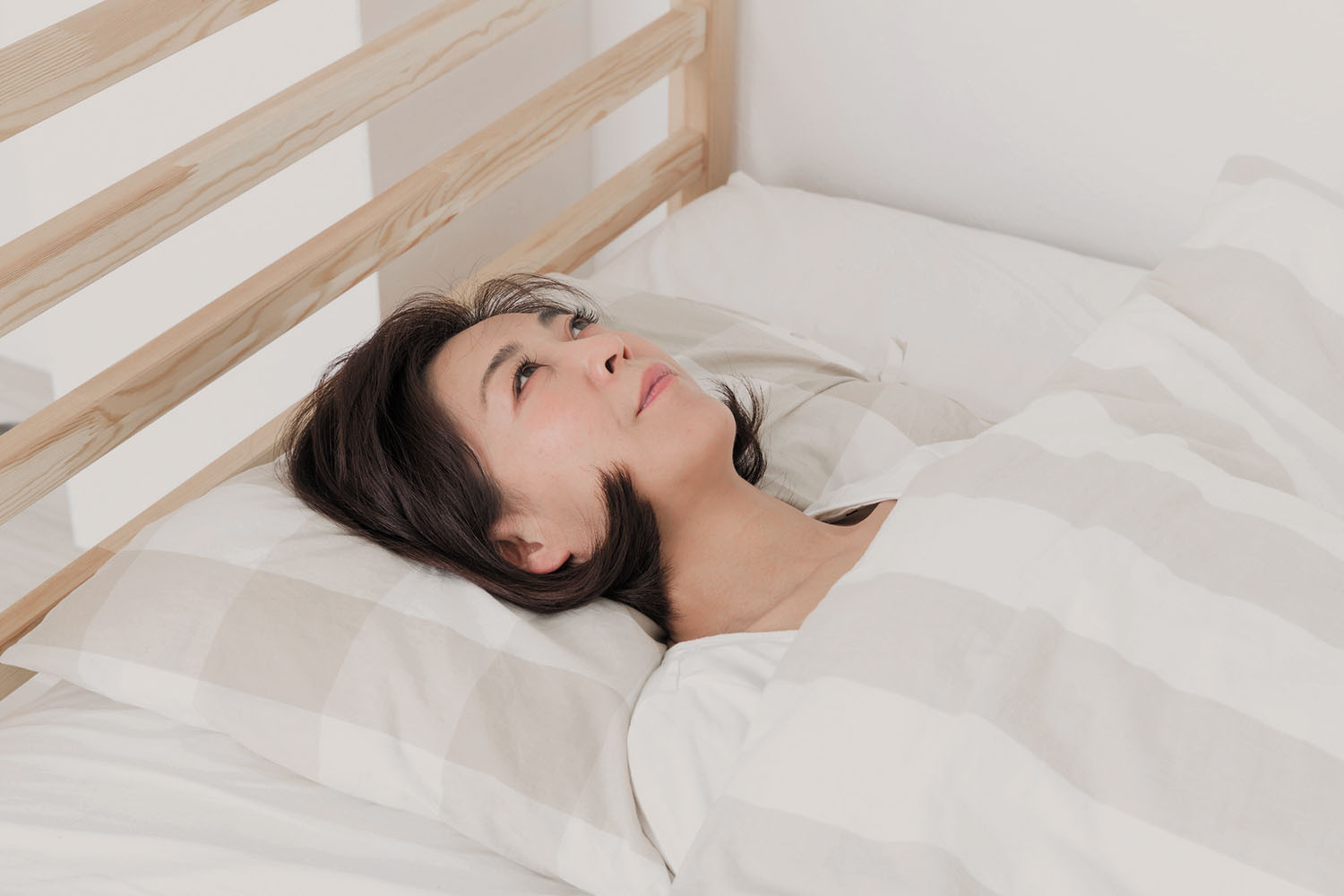
Adults who sleep only six hours per night may have a higher chance of being dehydrated, compared with those who sleep longer, according to recent research published online Nov. 5, 2018, by the journal Sleep. The findings suggest that some of the symptoms of inadequate sleep, such as fatigue, fuzzy thinking, and headache in the morning, may be due to dehydration.
Researchers looked at the risk of dehydration in approximately 20,000 U.S. and Chinese adults. In both populations, people who reported sleeping six or fewer hours had up to a 59% higher risk of dehydration compared with those who slept seven to eight hours on a regular basis. The researchers speculated that the finding may reflect the nightly rhythm of a hormone called vasopressin. During sleep, the pituitary gland in the brain uses vasopressin to signal the kidneys to retain fluid in the body rather than excreting it through urine.

Strategies to manage surgical pain
Because addiction to pain pills often starts with an operation, surgeons are shifting to non-opioid approaches for pain control.
Image: © Morsa Images/Getty Images
Many people who are struggling with opioid addiction didn't start taking the drugs at a party or at a friend's house. They were introduced to these painkilling medications by their doctor after a surgical procedure.
In the 1990s, the number of opioid prescriptions written for people undergoing surgery or experiencing pain conditions grew — and so did related problems. As a result, "we are in a current opioid epidemic, with 91 substance-related deaths each day, according to the CDC," says Dr. Elizabeth Matzkin, an orthopedic surgeon and assistant professor at Harvard Medical School.
Improving your mobility
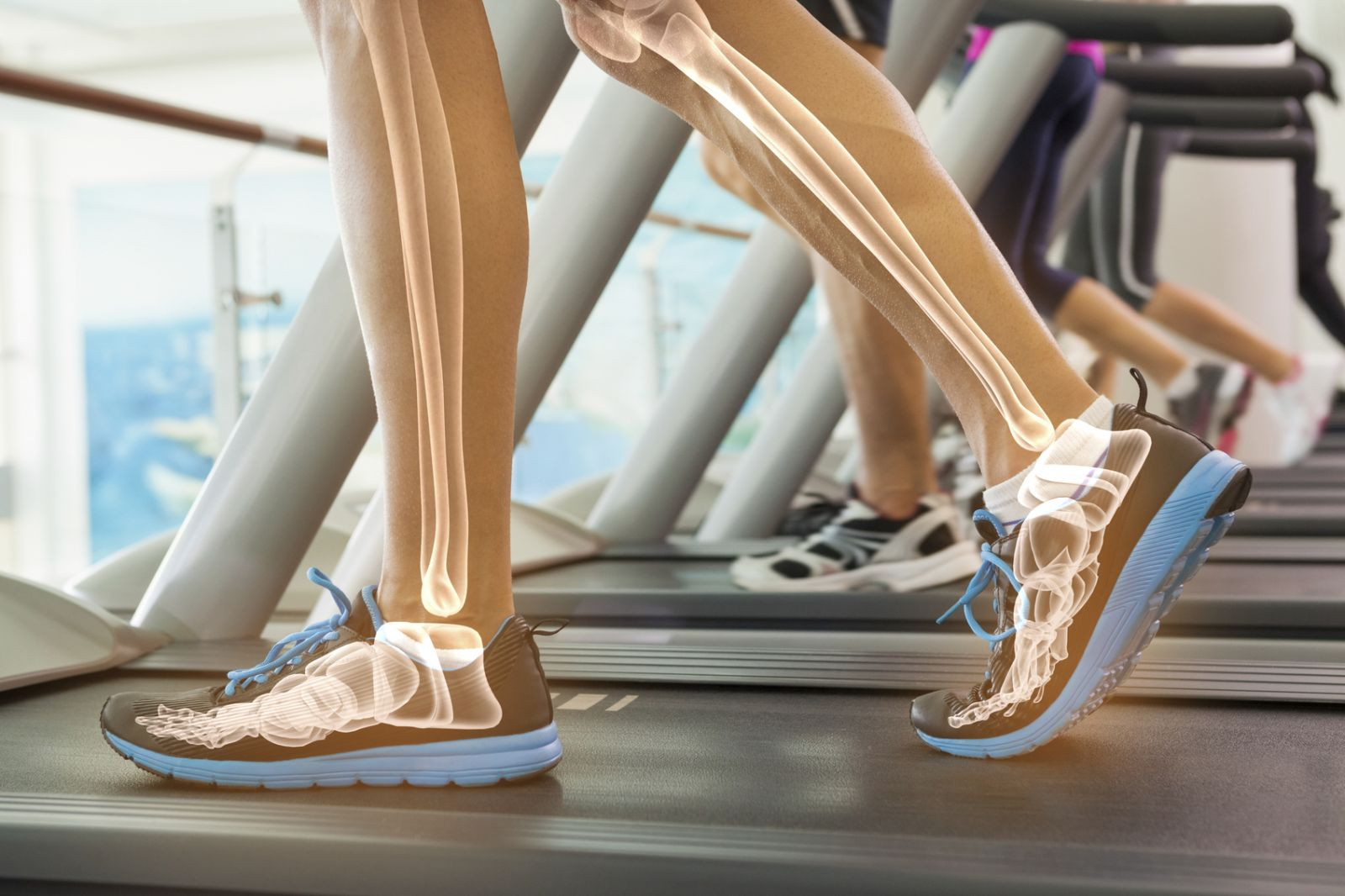
A fundamental goal of healthy aging is to keep walking as long as possible. Barring an injury or disabling disease, most of us think of the ability to walk as a defining capability of the human body. Of course, people who lose their ability to walk can still retain mobility through wheelchairs and assistive devices, and they can have full and happy lives. But there's no reason why most people can't keep walking their whole lives. It's important to stay active in order to maintain this ability—or, if you haven't been active for a while, to start with whatever simple measures it takes to boost your level of activity and start improving mobility.
Staying active with joint pain
It's important to keep joints moving, even if you're dealing with pain from arthritis or an overuse injury. But sometimes you'll need to keep weight off a joint and rest it more than you usually would. Don't let a painful joint prevent you from exercising; try these joint-friendly options instead:


Surgery-free pain relief for hips and knees
Hip and knee pain can keep you from the activities you love, as well as make routine tasks difficult. But there are many ways to get you moving again pain-free, without surgery. Here are some of the treatments that can help relieve hip and knee pain.
Ultrasound, phonophoresis, and iontophoresis
Therapeutic ultrasound is a simple procedure that uses sound waves to increase blood flow, relax muscle spasms, and aid healing that leads to faster hip pain relief and knee pain relief. The therapist applies gel to your skin and moves an ultrasound wand over your skin around the painful area. In a special ultrasound technique called phonophoresis, medication (often hydrocortisone) is added to the gel. In a survey of orthopedic physical therapists, more than half said they would use ultrasound and phonophoresis to reduce soft-tissue inflammation (in tendinitis or bursitis, for example). These techniques are also used to manage pain, heal tissue, and help muscles stretch.
The pain of measuring pain
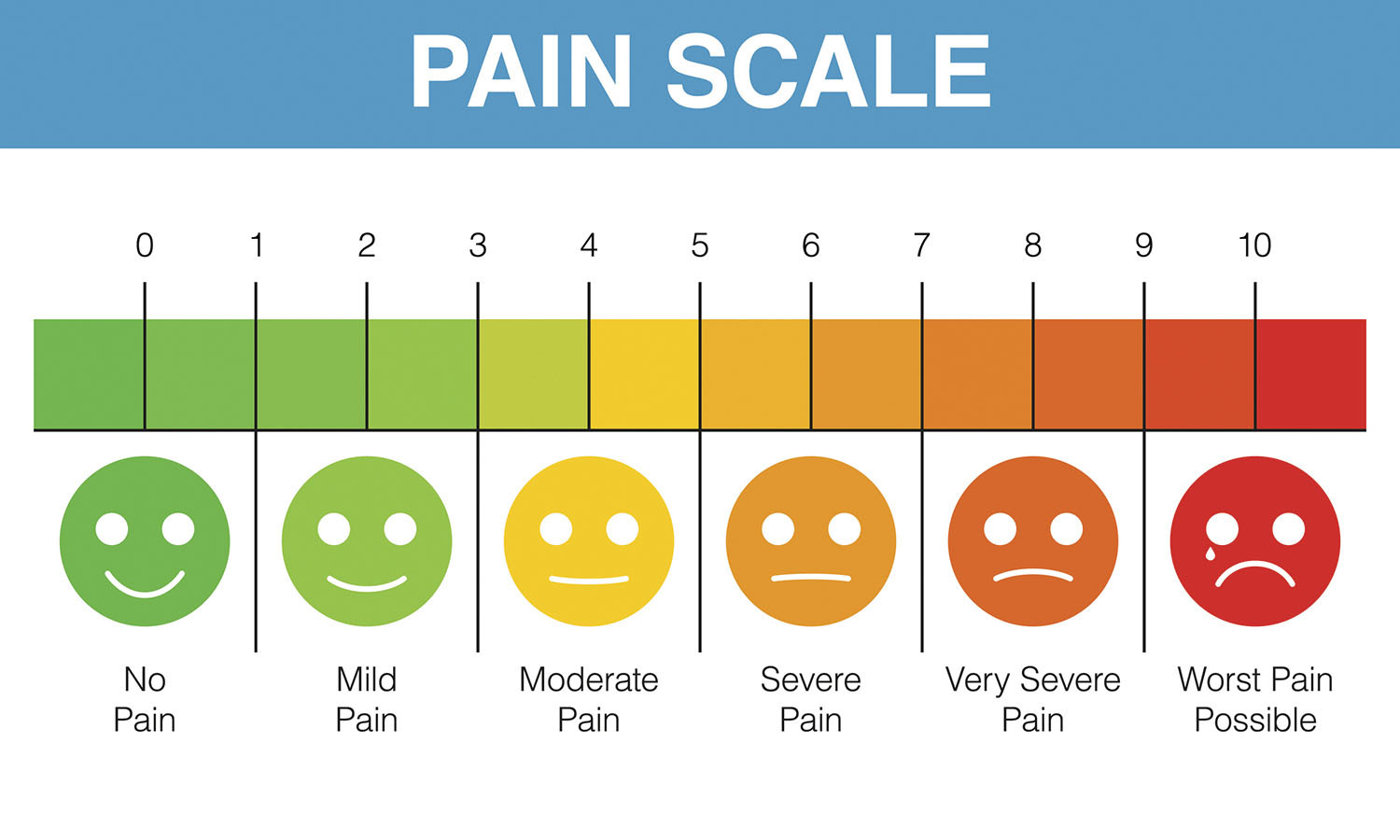
Doctors and patients use the 10-point pain scale to gauge the severity of pain, but there may be a better way.
Image: © EgudinKa/Getty Images
You may remember being asked to describe your level of pain on a 10-point scale, with 0 meaning no pain and 10 meaning extreme pain.
This scale was initially designed to help nurses and doctors better document and monitor how much pain you were experiencing and thereby offer the right treatment.

Fatty liver disease: Should you be tested?
Weight-loss drug may lower risk of heart attacks and infections
Testosterone therapy without evidence of deficiency may boost heart risk
Even a little exercise linked with lower stroke risk in people with afib
Antihistamines may not offer meaningful relief from eczema symptoms
What to eat on the DASH diet
Tricep workouts you can do at home
FDA approves first mRNA-based flu vaccine
Migraine: How it's diagnosed and what that means
Mindfulness practices to reduce stress and improve focus
Free Healthbeat Signup
Get the latest in health news delivered to your inbox!
Sign Up
