

Fatty liver disease: Should you be tested?

Weight-loss drug may lower risk of heart attacks and infections

Testosterone therapy without evidence of deficiency may boost heart risk

Even a little exercise linked with lower stroke risk in people with afib

Antihistamines may not offer meaningful relief from eczema symptoms

What to eat on the DASH diet

Tricep workouts you can do at home

FDA approves first mRNA-based flu vaccine

Migraine: How it's diagnosed and what that means

Mindfulness practices to reduce stress and improve focus
Headache and migraine Archive
Articles


Opening up arteries to treat stable angina: Just a sham?
A study questioned the benefit of stents for some heart patients. What does this mean for people with chest pain?
Last fall, many news outlets highlighted a study suggesting that a common heart procedure — inserting a stent to open a narrowed heart artery — was no better than a sham procedure (see "Stent vs. sham: A short summary"). But the big picture isn't quite so simple.
For instance, it's worth noting that six weeks prior to undergoing the procedures, all of the 200 people who completed the study were prescribed increasing doses of heart medications. Referred to as optimal medical therapy, this approach is a proven strategy for treating chest pain brought on by physical activity or emotional stress that promptly goes away with rest or nitroglycerin (so-called stable angina).

Topical pain relievers may be less risky for the heart than pills
Research we're watching
The pain relievers known as nonsteroidal anti-inflammatory drugs (NSAIDs) help ease the ache of arthritis. But taking these pills regularly can increase blood pressure and worsen heart disease. Now, new research suggests that topical NSAIDs (available by prescription in gel form) may pose less risk than the pills.
Researchers tracked heart attacks, strokes, and other heart-related problems in more than 46,000 people with rheumatoid arthritis over a nine-year period. People who used topical NSAIDs (even those who already had heart disease) had fewer of these cardiovascular events than those who took oral NSAIDs, according to the study, published in the Oct. 27, 2017, Journal of the American Heart Association.



New ways to manage migraines
Sufferers now have more options than ever to ease the pain or even ward off attacks.
Image: © YakobchukOlena/Thinkstock
If you've ever experienced a migraine, you know it's no ordinary headache. Not only does it cause throbbing pain, typically on one side of your head, but it may also cause vision changes, sensitivity to light, and nausea. It's the type of headache that makes you want to retreat to a dark, quiet room and stay there until it goes away. Recovering from a migraine can take time; the headache can last for hours or days. Migraines affect an estimated 28 million women in the United States, according to the American Migraine Foundation (AMF).
The World Health Organization says that migraine headaches rank in the top 10 of disabling conditions. These headaches result in lost work days, lost productivity, and high health care costs. And of course, they can cause you to miss out on pleasurable activities and time with family.

Headache basics
Despite the fact that headaches are extremely common, doctors don't fully understand exactly why or even how they occur. Neither the skull nor the brain is sensitive to pain, but both are surrounded by pain-sensitive membranes. Most headache pain stems from abnormalities in these membranes or nearby muscles, blood vessels, or nerves—either alone or in combination.
Women are twice as likely as men to experience moderate and severe headaches and more likely to experience certain types of headaches, such as migraine. A major reason is fluctuating hormone levels that are part of the monthly menstrual cycle.
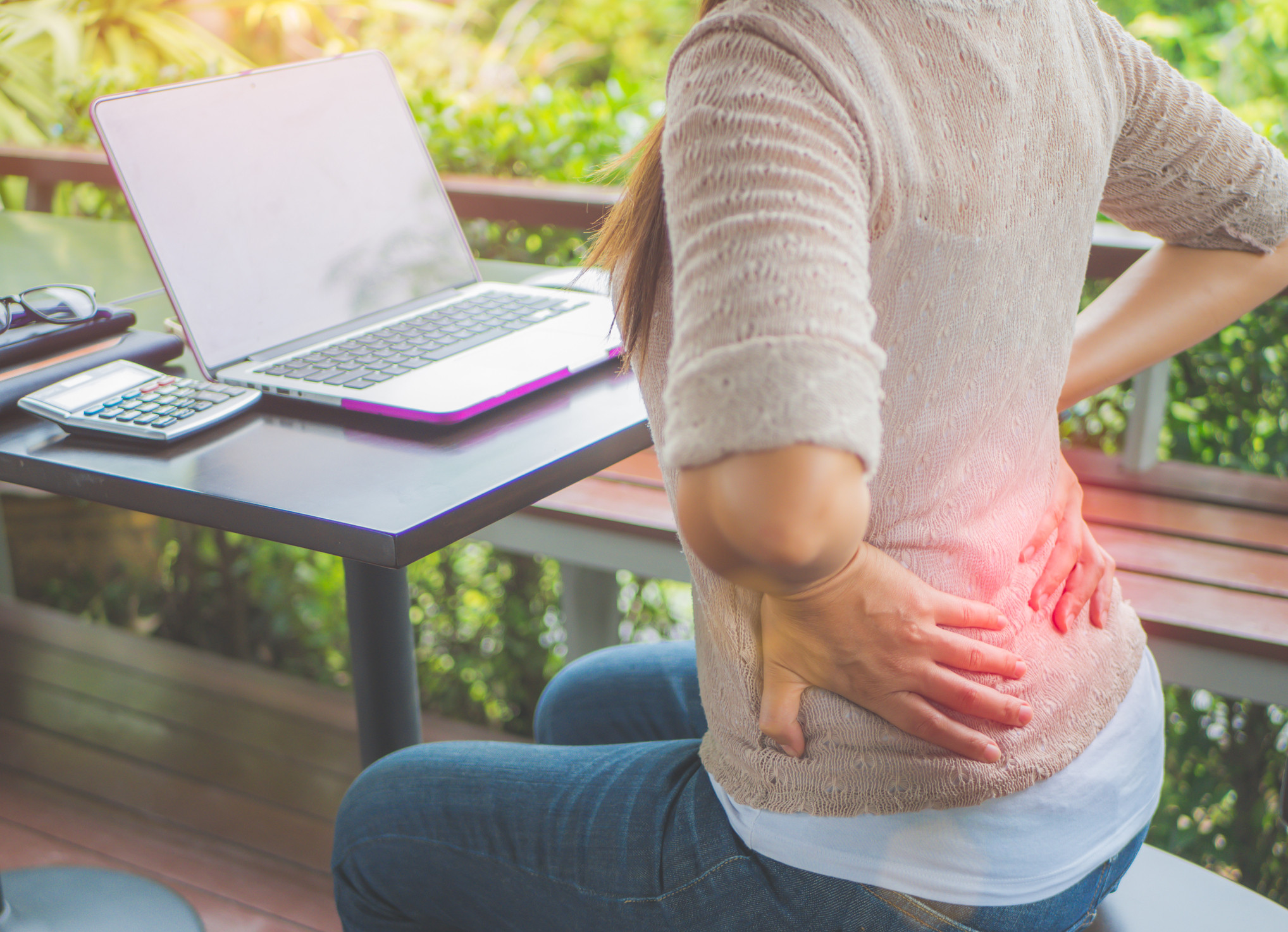
Can spinal manipulation ease my low back pain?
On call
Q. I suffer from recurrent episodes of low back pain. Is spinal manipulation really effective for back pain relief?
A. Episodes of low back pain are quite common among older men, and many seek relief through chiropractic care, which usually includes spinal manipulation. Spinal manipulation (or adjustment), as described by the American Chiropractic Association, focuses on using manual pressure to mobilize joints.

5 ways to manage arthritis and keep it from slowing you down
Arthritis is a painful problem that can interfere with your ability to do the things you enjoy. But you can take steps to manage arthritis by protecting your joints, reducing discomfort, and improving mobility.
Physical or occupational therapists can be very helpful in teaching you how to modify activities and accomplish daily tasks more easily in order to manage arthritis. But there are simple things you can do for yourself, starting today. Here are five of them:
Fatty liver disease: Should you be tested?
Weight-loss drug may lower risk of heart attacks and infections
Testosterone therapy without evidence of deficiency may boost heart risk
Even a little exercise linked with lower stroke risk in people with afib
Antihistamines may not offer meaningful relief from eczema symptoms
What to eat on the DASH diet
Tricep workouts you can do at home
FDA approves first mRNA-based flu vaccine
Migraine: How it's diagnosed and what that means
Mindfulness practices to reduce stress and improve focus
Free Healthbeat Signup
Get the latest in health news delivered to your inbox!
Sign Up
