

CoQ10: Should you take this popular supplement if you're on a statin?

Microplastics: A hidden health threat?

Oat vs. dairy milk: Nutrition, benefits, and downsides

What is tempeh? Benefits, nutrition, and how to use it

Healing after food poisoning

Children of centenarians may stay healthier and live longer too, study finds

Light exposure at night may raise risk for heart disease

Whole grains may improve several heart risk factors at once

A lumbar belt may help ease low back pain

Signs of pneumonia: Sometimes vague and unexpected
Gut microbiome Archive
Articles

Want probiotics but dislike yogurt? Try these foods
One reason people eat yogurt is because it contains probiotics — beneficial bacteria and yeasts that improve digestion, provide protection from dangerous organisms, and boost the immune system. But not everyone likes the taste or texture of yogurt, so here are some other foods that offer the same benefits.

Looking out for diverticulitis
More than half of US adults over 60 have diverticulosis, a condition where part of the wall of the colon bulges outward and forms tiny pouches. Diverticulosis does not cause symptoms, but if a pouch becomes inflamed or infected it becomes diverticulitis, which can be mild or more serious.
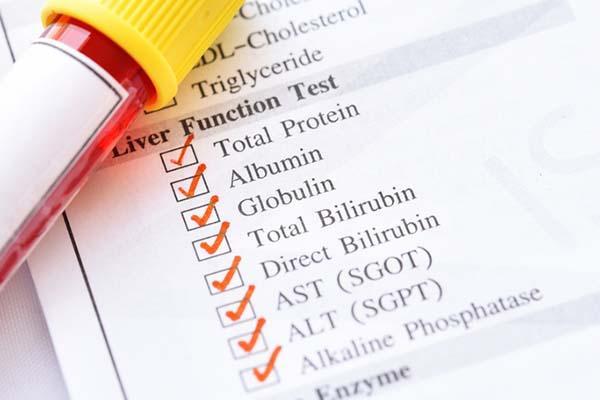
What does a high bilirubin level in my blood test actually mean?
Discover what bilirubin is, why levels rise on blood tests, and how liver, bile ducts, or red blood cells can each play a role in hyperbilirubinemia.
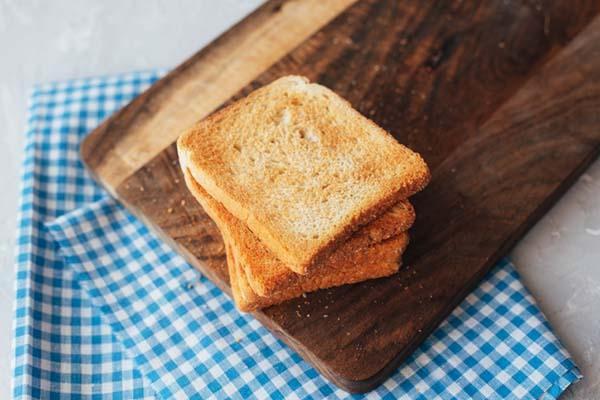
What should you eat after a diverticulitis flare?
Recovering from diverticulitis and unsure about fruits and veggies? See how your diet should change short term and what to focus on long term.

Do I really need to avoid nuts, seeds, and popcorn if I have diverticulitis?
Longtime guidance about skipping nuts, seeds, and popcorn after diverticulitis is being challenged. Learn what newer research suggests about your diet.

Could my back pain be related to Crohn's disease?
Back and pelvic pain in people with Crohn’s can signal sacroiliitis or other joint inflammation. Learn how doctors sort this out from routine back strain.
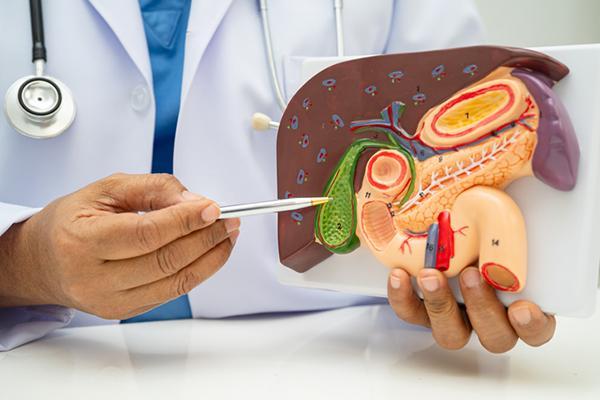
Do gallstones always need treatment?
Not all cases of gallstones need treatment. Many people have gallstones that never cause pain or other symptoms and can be left alone. But if gallstones cause persistent pain or other symptoms, doctors often opt to surgically remove the gallbladder.
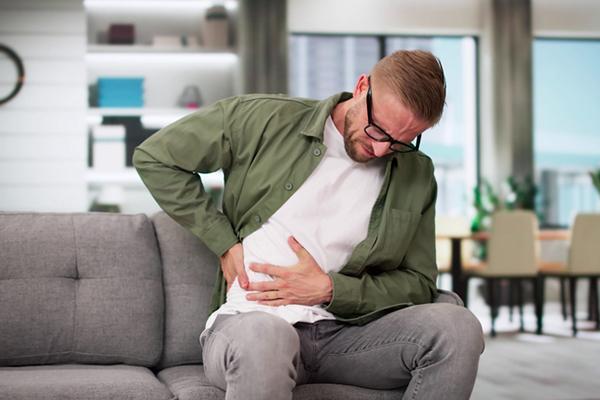
Are those body aches a sign of gallstones?
Pain from gallstones (hardened, stonelike lumps of bile or other digestive fluids that block bile ducts) usually occurs in a distinct pattern. Gallstone attacks typically provoke steady, intense pain in the upper right abdomen that can radiate to the shoulder or back.

I've developed new digestive problems in midlife. Could something serious be wrong?
Lactose trouble that appears in midlife—plus growing sensitivities to other foods—can hint at changes in the small intestine that warrant a doctor's look.

The dos and don'ts of managing diverticular disease
People who have diverticular disease have tiny pouches (diverticula) in the lining of the colon that can bleed or perforate and develop infection (called diverticulitis). People with diverticular disease should eat a healthy diet rich in fiber, drink lots of water, exercise regularly, maintain a healthy weight, not smoke, avoid straining in the bathroom, and report bleeding or pain to a doctor. However, it's not necessary to avoid eating nuts, seeds, or popcorn, which were once believed to lodge in diverticula and cause problems. That old advice turned out to be wrong.
CoQ10: Should you take this popular supplement if you're on a statin?
Microplastics: A hidden health threat?
Oat vs. dairy milk: Nutrition, benefits, and downsides
What is tempeh? Benefits, nutrition, and how to use it
Healing after food poisoning
Children of centenarians may stay healthier and live longer too, study finds
Light exposure at night may raise risk for heart disease
Whole grains may improve several heart risk factors at once
A lumbar belt may help ease low back pain
Signs of pneumonia: Sometimes vague and unexpected
Free Healthbeat Signup
Get the latest in health news delivered to your inbox!
Sign Up
