










What does a high bilirubin level in my blood test actually mean?
Q. What is hyperbilirubinemia and what causes it?
A. Hyperbilirubinemia means the level of bilirubin in the blood is higher than normal.
Bilirubin is a reddish-colored pigment that is a byproduct of hemoglobin. Red blood cells reach the end of their life in about 120 days. When this happens, the hemoglobin inside the red cells is converted to a form of bilirubin. This form is called unconjugated bilirubin.
Normally, the liver picks up most bilirubin and changes it to a form called conjugated bilirubin. This form moves from the liver cells into the tiny bile ducts in the liver. These ducts feed into the common bile duct, which connects the liver and gallbladder (where bile is stored) to the intestine. Some of the bilirubin gets reabsorbed and the rest leaves the body as waste.
In most labs, a normal bilirubin level is less than 1.3 mg/dL. But some healthy people have a level up to 1.9 mg/dL. If your level is 2.0 mg/dL or greater, this is considered hyperbilirubinemia.
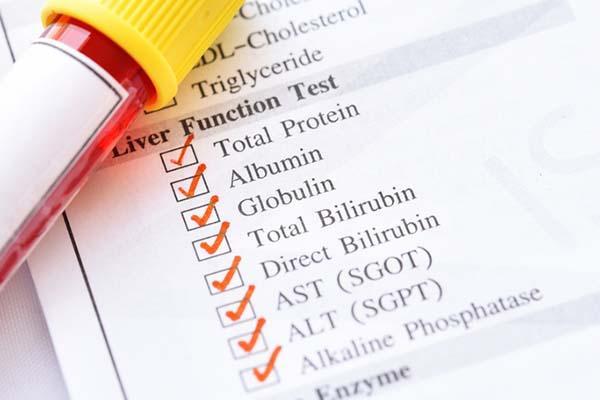
The lab report usually contains two readings — total bilirubin and direct bilirubin. The total level measures all bilirubin in the blood. The direct level measures only the conjugated bilirubin.
A high total bilirubin level with a high direct bilirubin level would occur in someone who has a blockage of the bile duct (such as from a gallstone) or liver disease (such as hepatitis or cirrhosis).
A high total bilirubin level with a normal or only slightly increased direct bilirubin level means that most of the bilirubin in the blood has not been processed by the liver. This unconjugated bilirubin is measured as indirect bilirubin. High levels occur when
- a person has a defect in the enzymes needed to efficiently conjugate bilirubin. This is called Gilbert's syndrome. It is not dangerous. It can turn the whites of your eyes yellow if you fast or don't get enough sleep. But there is no damage to the liver or other body parts. Eat and get rest and the bilirubin level will fall.
- a person has premature destruction of many red blood cells. This condition is called hemolytic anemia. Millions of damaged red cells release large amounts of hemoglobin that rapidly change to unconjugated (indirect) bilirubin. The liver can't process such a huge load. So most of the total bilirubin is indirect bilirubin.
Image: © jarun011/Getty Images
About the Author

Howard E. LeWine, MD, Chief Medical Editor, Harvard Health Publishing; Editorial Advisory Board Member, Harvard Health Publishing
Disclaimer:
As a service to our readers, Harvard Health Publishing provides access to our library of archived content. Please note the date of last review or update on all articles.
No content on this site, regardless of date, should ever be used as a substitute for direct medical advice from your doctor or other qualified clinician.


