

Reading the current blood pressure guidelines

Oat vs. dairy milk: Nutrition, benefits, and downsides

Microplastics: A hidden health threat?

Healing after food poisoning

What is tempeh? Benefits, nutrition, and how to use it

Light exposure at night may raise risk for heart disease

Whole grains may improve several heart risk factors at once

A lumbar belt may help ease low back pain

Children of centenarians may stay healthier and live longer too, study finds

Signs of pneumonia: Sometimes vague and unexpected
Fatty liver disease Archive
Articles

Prediabetes linked to higher risk of cardiovascular problems
Even slightly elevated blood sugar levels—a condition known as pre-diabetes—may raise the risk of cardiovascular problems. But attention to weight loss and greater use of medications to lower blood pressure and cholesterol appear to reduce the risk.
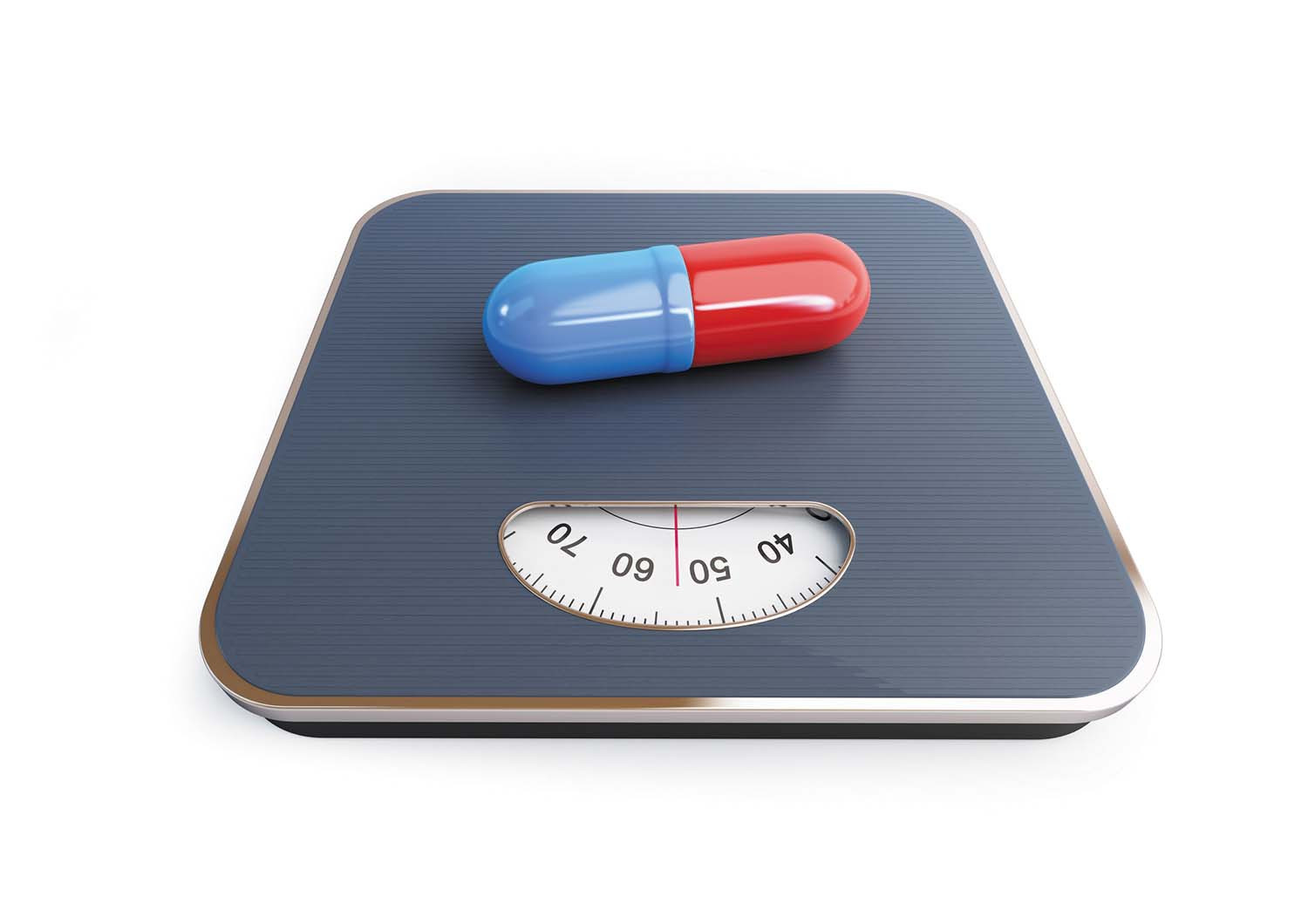
Understanding new weight-loss drugs
A newer class of medications used to treat type 2 diabetes called glucagon-like peptide-1 (GLP-1) receptor agonists has gained attention because of their impressive weight-loss results—in many cases, 10% to 20% of a person's body weight. Versions of two of these GLP-1 receptor agonists, liraglutide (Saxenda) and semaglutide (Wegovy), are FDA-approved for weight loss, even for people without diabetes. However, there isn't enough evidence to know whether these drugs might be beneficial or dangerous for people who are not diagnosed with diabetes or obesity.

Are you an everyday exerciser or a weekend warrior?
People who get most of their recommended weekly physical activity over one or two days may lower their heart disease risk just as much as those who are active more regularly throughout the week. Evidence also suggests there's no particular benefit to exercising at certain times of the day, including with respect to mealtimes. So people should be physically active whenever they find it to be most convenient.


Can you have a heart attack and not know it?
Silent heart attacks often go unnoticed because they don't produce any symptoms or only mild symptoms that are mistaken for something else, such as heartburn or muscle pain. They are thought to make up from 20% to 60% of heart attacks and can raise risk of a future heart attack or related problem. Both women and men are at substantial risk. Making lifestyle changes and being proactive about managing risk factors for heart disease can help prevent future heart-related problems.


Baby, it's cold inside
Some older adults feel cold frequently. This may result from age-related physical changes or an underlying condition. Examples of underlying conditions that might make a person feel cold include anemia, an underactive thyroid, diabetic neuropathy, peripheral artery disease, or Raynaud's phenomenon. People who experience coldness that interferes with their daily activities or sleep should talk to a doctor about it.

Should you worry about prediabetes?
Approximately 88 million Americans—more than one in three—have prediabetes, a condition in which the average amount of sugar in the blood (glucose) is high but not high enough to be diagnosed as diabetes. Among people who develop prediabetes, older ones are less likely than younger ones to eventually develop full-blown diabetes. Still, they should have their glucose levels checked, as prediabetes can put them at high risk for heart attack and stroke.

Reading the current blood pressure guidelines
Oat vs. dairy milk: Nutrition, benefits, and downsides
Microplastics: A hidden health threat?
Healing after food poisoning
What is tempeh? Benefits, nutrition, and how to use it
Light exposure at night may raise risk for heart disease
Whole grains may improve several heart risk factors at once
A lumbar belt may help ease low back pain
Children of centenarians may stay healthier and live longer too, study finds
Signs of pneumonia: Sometimes vague and unexpected
Free Healthbeat Signup
Get the latest in health news delivered to your inbox!
Sign Up
