

Using a vibration plate: What it can — and can't — do for your body

The surprising link between ovarian cancer and the fallopian tubes

People who walk more or walk faster live longer, study finds

For sleep apnea, a dental device may be as effective as CPAP

Rosacea treatments: What works?

Carb cycling: What is it, and does it work?

Salmonella, E. coli, Cyclospora, and other germs that cause food poisoning: What you need to know

Melatonin or magnesium: Can either supplement help you sleep?

Understanding orthorexia: Have your healthy eating goals gone too far?

Naturally gluten-free foods
Exercise and physical activity Archive
Articles
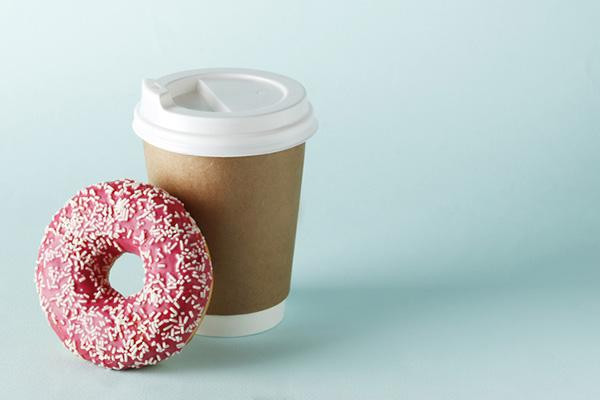
GERD diet: Foods to avoid to reduce acid reflux
Dietary changes can make a big difference for people with gastroesophageal reflux disease (GERD). Foods to limit or avoid include chocolate, onions, and tomato sauce. Adjusting eating habits-by eating smaller portions, for example-might also help people avoid heartburn and other symptoms.
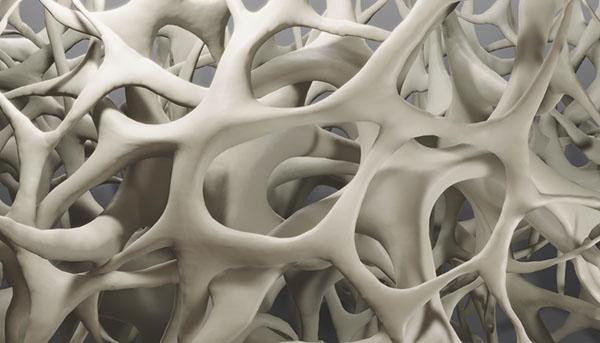
Everyday habits that sneakily weaken your bones
A variety of everyday habits can stealthily reduce bone health. These include consuming too little calcium, excessive caffeine or soda, inadequate protein, and large amounts of alcohol, as well as smoking, being sedentary, dieting frequently, or taking certain medications.
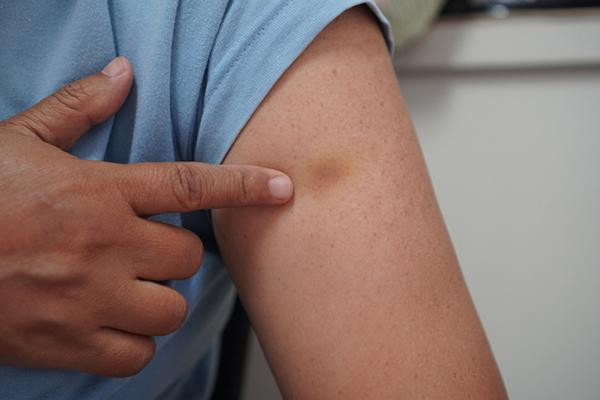
Why do I bruise so easily?
As we get older, noticeable bruises are usually related to thinning skin and increasing fragility of the tiny blood vessels in the outer layer of skin. There is not much people can do about this, but they should see their doctors if bruising is excessive or becomes painful.
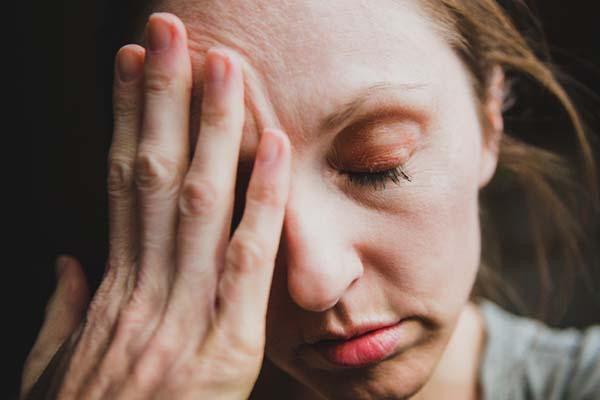
The 7 types of rest and why we need them all
People may believe that rest and sleep are synonymous, but sleep is only one form of rest. People need seven different types of rest to feel recharged. These are physical, mental, spiritual, sensory, creative, emotional, and social rest.
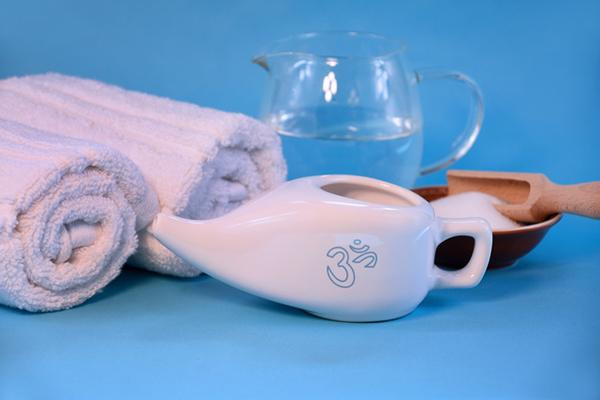
Can nasal irrigation help with winter colds and congestion?
Daily nasal irrigation (also called nasal rinses) may reduce symptom severity and the duration of a cold. It can also relieve the congestion caused by sinus infections and allergies. It is unclear whether it can prevent colds. By means of a squeeze bottle, neti pot, or battery-powered system, saline (salt water) is inserted into one nostril and flows out the other. It's important to always use sterile water, meaning distilled or cooled boiled water. The rinse helps wash away mucus and some inflammatory chemicals, reducing the swelling that's responsible for congestion.
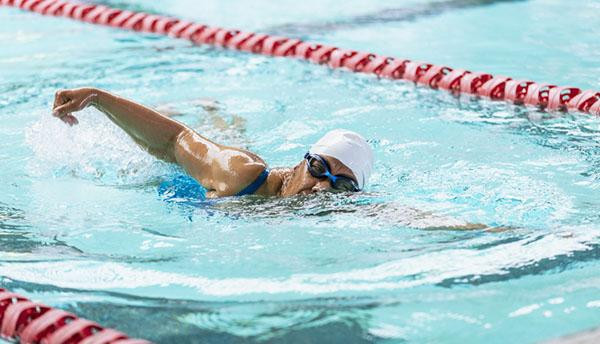
Walking, cycling, and swimming are best exercises for knee osteoarthritis
An analysis of 217 trials found that lower-impact aerobic exercise (walking, cycling, and swimming) is most effective for easing knee osteoarthritis pain and improving function. Other exercise types, such as flexibility, mind-body, neuromotor, and strengthening, also offer benefits.
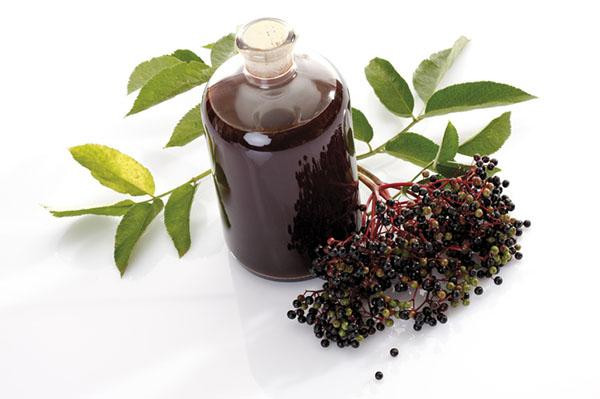
What are the health benefits of elderberry?
Elderberry syrup or tea may help reduce the duration and severity of cold and flu symptoms. But the evidence for these benefits is uncertain, since the studies are small and most did not compare elderberry to standard treatments. Claims that elderberry products can prevent viral infections or boost immunity are unproven. Elderberry supplements appear to be relatively safe; in clinical trials, effects such as nausea, vomiting, or diarrhea were mild and rare.

How to return to fitness after total knee replacement
Complete recovery from total knee replacement surgery can take six to 12 months. Working with a physical therapist to regain strength and mobility, most people can return to normal daily function within three months. It's important to remain active once physical therapy concludes. Lower-impact activities, such as walking, hiking, biking, swimming, golfing, strength training, and aerobic activities, are recommended. High-impact activities, such as running, may shorten the life span of the implant.
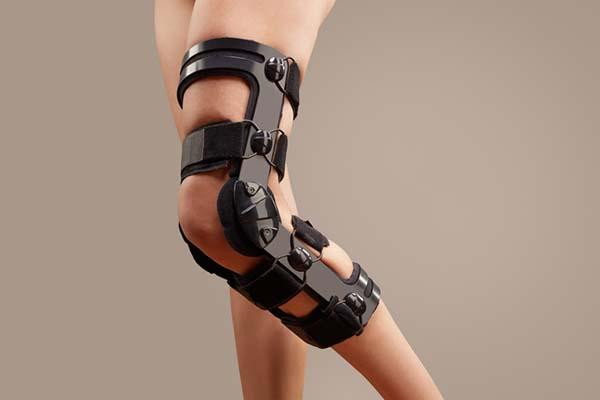
Knee braces, hydrotherapy, and exercise stand out as the best nondrug therapies for knee osteoarthritis
Among 12 physical therapy approaches for knee osteoarthritis compared in a 2025 study, three stood out. Knee braces, followed by hydrotherapy (exercise in water) and exercise (strength training and aerobics), were best for reducing pain and stiffness and improving physical function.
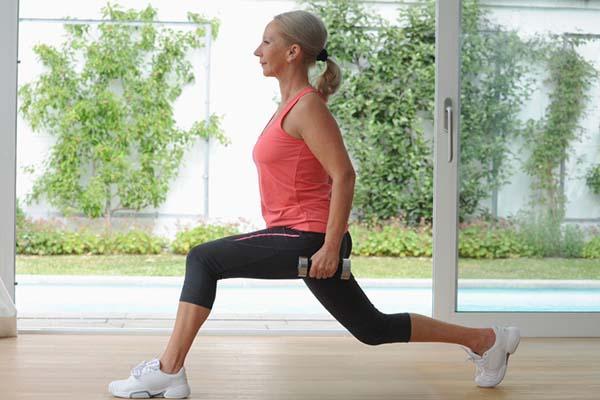
Are lunges safe for older adults?
An exercise routine that targets muscles in the legs and buttocks can help build the strength and stability that are essential for daily functioning. Lunges are an excellent exercise for this. Older adults can do them safely if they have sufficient leg strength to do the exercise correctly. For those who lack the necessary strength, modified versions can be done until it's possible to gradually work up to doing the full lunge. Once that is mastered, more advanced versions include the side lunge and walking lunge. Holding weights can increase the challenge.
Using a vibration plate: What it can — and can't — do for your body
The surprising link between ovarian cancer and the fallopian tubes
People who walk more or walk faster live longer, study finds
For sleep apnea, a dental device may be as effective as CPAP
Rosacea treatments: What works?
Carb cycling: What is it, and does it work?
Salmonella, E. coli, Cyclospora, and other germs that cause food poisoning: What you need to know
Melatonin or magnesium: Can either supplement help you sleep?
Understanding orthorexia: Have your healthy eating goals gone too far?
Naturally gluten-free foods
Free Healthbeat Signup
Get the latest in health news delivered to your inbox!
Sign Up
